Germany’s labour market weakened in September as unemployment rose considerably more than expected, while surging energy prices pushed national inflation above 3% for the first time since late 2023.
The seasonally adjusted number of unemployed people increased by 12,000 to 3.01 million, according to the Federal Employment Agency. The seasonally adjusted unemployment rate remained unchanged at 6.4%.
Unadjusted unemployment fell by 67,000 from August to 2.994 million, bringing the total below the politically sensitive three-million mark. However, it remained 40,000 higher than in September last year.
The decline was largely seasonal. Unemployment usually falls in September as companies resume hiring after the summer holidays and young people begin jobs, apprenticeships or further education. This year’s improvement was considerably weaker than usual.
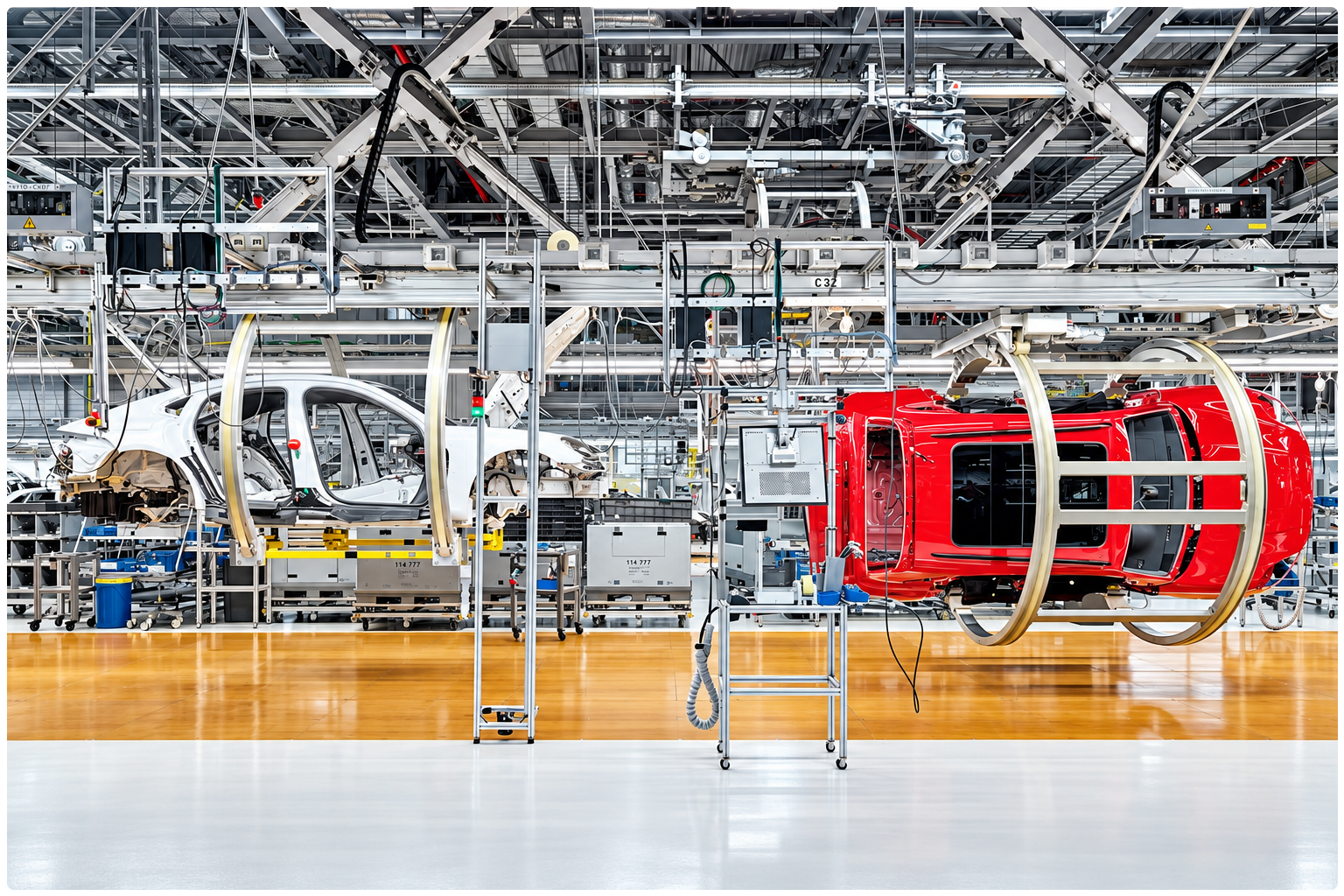
Demand for workers also remained subdued. Employers reported approximately 660,000 vacant positions, but hiring intentions remained weak across large parts of the economy. Germany’s automobile and manufacturing industries are cutting costs as they confront high energy prices, weak overseas demand and growing competition.
These problems are closely connected to the economic consequences of Russia’s invasion of Ukraine. Before the war, Russia supplied approximately 55% of Germany’s natural gas. Relatively inexpensive pipeline gas helped power chemical plants, steelworks, glass factories and other energy-intensive industries, giving German manufacturers an important cost advantage in international markets.
That advantage disappeared when Nord stream pipeline was blown by the suspected Ukrainian operatives, deliveries collapsed following the blast and the confrontation between Moscow and European governments. Germany rapidly built terminals for liquefied natural gas and secured alternative supplies from countries including Norway, but replacement energy was generally more expensive and exposed industries to greater price volatility.
Energy-intensive companies responded by reducing production, postponing investment or shifting parts of their operations abroad. The chemical, metals, paper, glass and fertiliser industries were particularly vulnerable because energy represents a large share of their costs. Germany’s economy subsequently contracted in both 2023 and 2024, making it the weakest major advanced economy during much of that period.
The loss of Russian gas was not the only cause of the slowdown. Germany was already struggling with ageing infrastructure, lengthy regulatory procedures, weak investment and growing Chinese competition. Its automobile industry was also facing an expensive transition towards electric vehicles. However, the energy shock removed one of the foundations of the country’s post-Cold War industrial model and made those existing weaknesses much harder to manage.
Germany has now substantially reduced its dependence on Russia and improved the security of its energy supplies. It has not, however, fully restored the cost advantage previously enjoyed by its industries. The latest increase in global energy prices demonstrates that the economy remains vulnerable to external shocks.
Germany’s annual inflation rate rose to 3.3% in September from 2.9% in August, according to preliminary national figures. North Rhine-Westphalia reported inflation of 3.3%, while the rate reached 3.4% in Hesse and Berlin and 3.6% in Brandenburg.
Energy was the main source of the increase. Disruption in oil markets raised fuel and heating costs across Europe. Heating oil prices in Hesse were more than 80% higher than a year earlier, while petrol and diesel prices rose by nearly 40%.
The combination of weaker employment and higher inflation creates an uncomfortable economic problem. Measures intended to restrain prices could also raise borrowing costs when investment and household consumption remain fragile.
Germany’s economy performed better than expected during the first half of the year, but the September figures show that the recovery has not yet become self-sustaining. Output may be stabilising, but manufacturers are still adjusting to an economic landscape in which abundant Russian pipeline gas can no longer be treated as a source of German competitiveness.