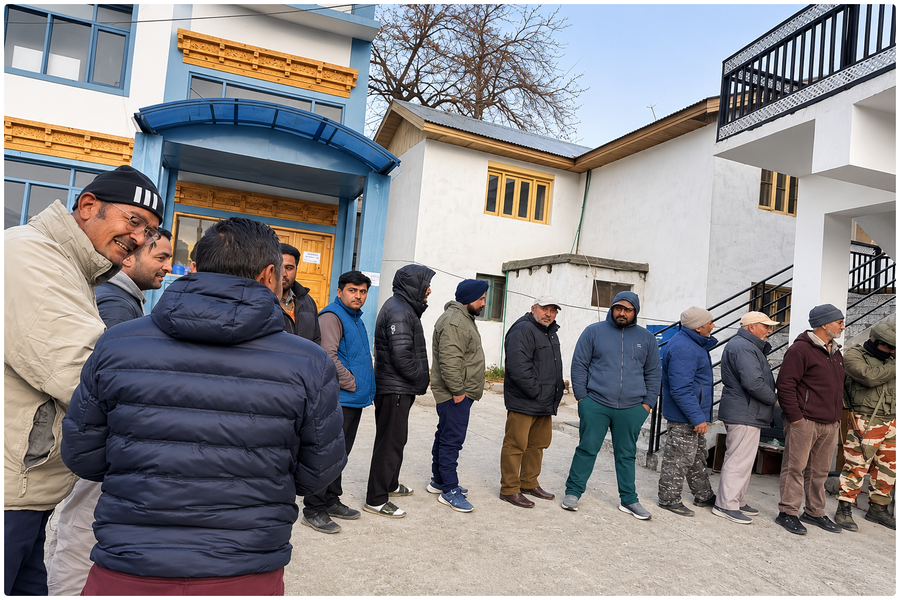
Haitians hoping to elect a president this December will have to wait another seven months. The country's electoral authorities have pushed the vote into July 2027, extending a decade-long absence of national elections in a country where armed gangs have made even the practical business of organising a ballot increasingly difficult.
Under the revised calendar published on October 28 by Haiti's Provisional Electoral Council, presidential and legislative elections will begin on July 18, 2027, alongside a referendum on proposed constitutional changes. A second round, together with local elections, is scheduled for October 4.
The previous timetable had placed the first round on December 13, 2026, and the second on February 21, 2027. Those dates became increasingly untenable as gang violence spread through Port-au-Prince and into Haiti's central and agricultural regions. Earlier this month, the council suspended the planned election campaign and extended candidate registration while it reviewed the schedule.
The new plan gives electoral administrators substantially more time to prepare. Final lists of presidential and legislative candidates are expected on January 11, while voter registration is scheduled to close on May 20. Campaigning should begin April 15, with polling-station preparations and distribution of election materials continuing into July.
Yet those administrative deadlines sit alongside a security emergency that has repeatedly frustrated attempts to restore elected government.
In an October 19 briefing to the UN Security Council, Carlos Ruiz Massieu, the United Nations' senior representative in Haiti, reported more than 1,000 people killed and over 100 kidnapped between July and September. Armed groups have continued attacking communities, blocking roads and challenging state authority despite intensified operations by Haitian police and international forces.
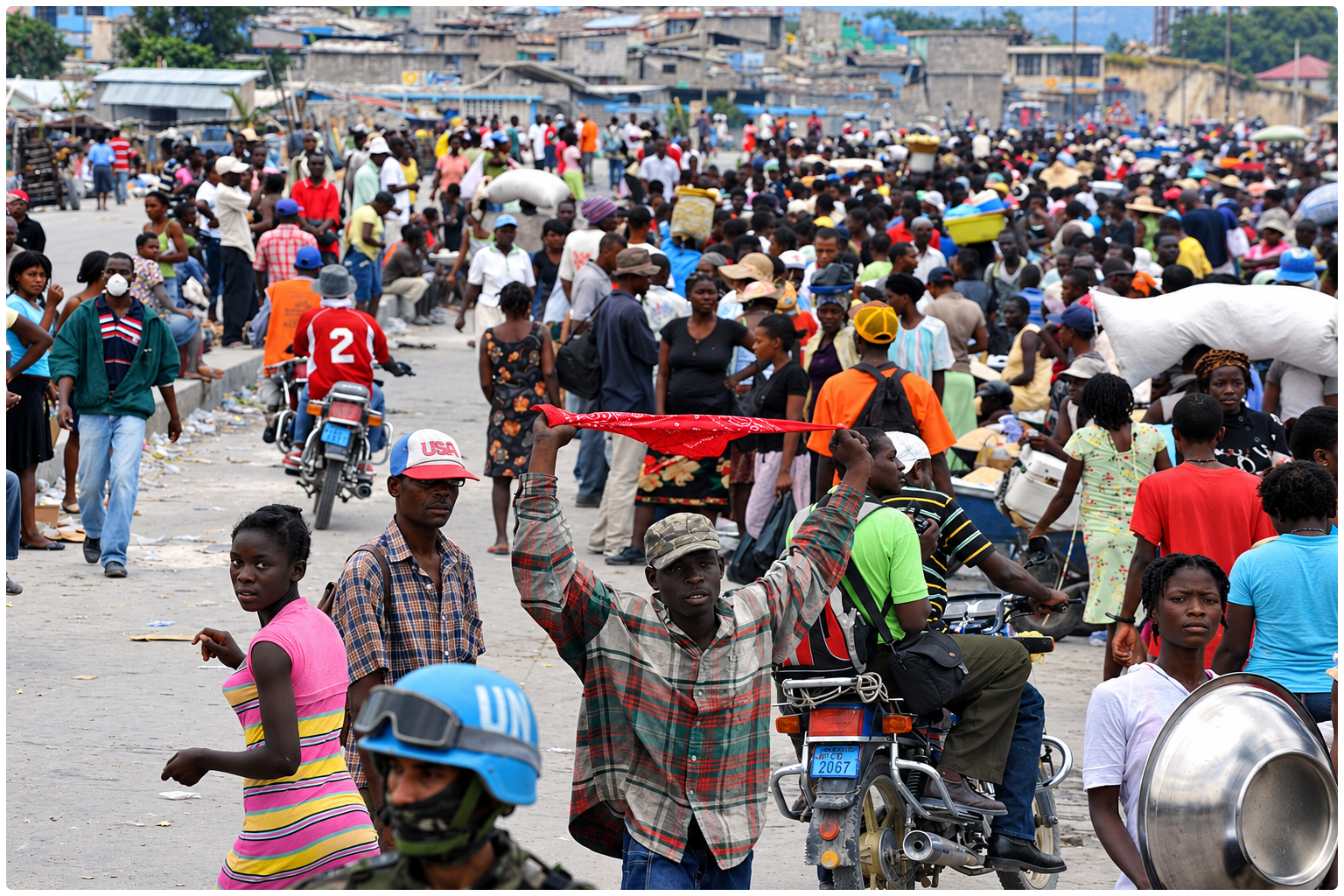
The same briefing put internal displacement at nearly 1.5 million people, including more than 740,000 children. For those families, voting could require more than access to a polling station. Many have lost their homes, moved between communities or become separated from the neighbourhoods where they were previously registered.
The expansion of Haiti's gang war into the countryside has also placed agricultural communities and transport routes under pressure. Violence in areas beyond the capital complicates the movement of election workers, ballot materials and voters.
Haiti's last national elections were held in 2016. Since the assassination of President Jovenel Moïse in July 2021, the country has had no elected president, while parliament has ceased functioning as an elected national legislature. Prime Minister Alix Didier Fils-Aimé now leads a government without a direct electoral mandate.
International forces are attempting to create conditions for a political transition. El Salvador has expanded its military involvement in Haiti following an attack on four Salvadoran aviation technicians. The deployment comes as the UN-backed Gang Suppression Force works alongside Haitian security personnel.
The electoral council says its revised timetable followed consultations with security forces, political organisations, civil society and government representatives. Its earlier schedules explicitly depended on adequate security and funding, conditions that remain uncertain.
For Haiti's voters, the immediate consequence is another prolonged period under unelected national leadership. Whether July 2027 finally brings a ballot will depend on how much territory the state can secure before campaigning begins.