Three Italian nationals managed to fly out of India from Delhi without completing mandatory departure immigration, triggering government scrutiny over how a series of safeguards apparently failed during their transfer between two flights.
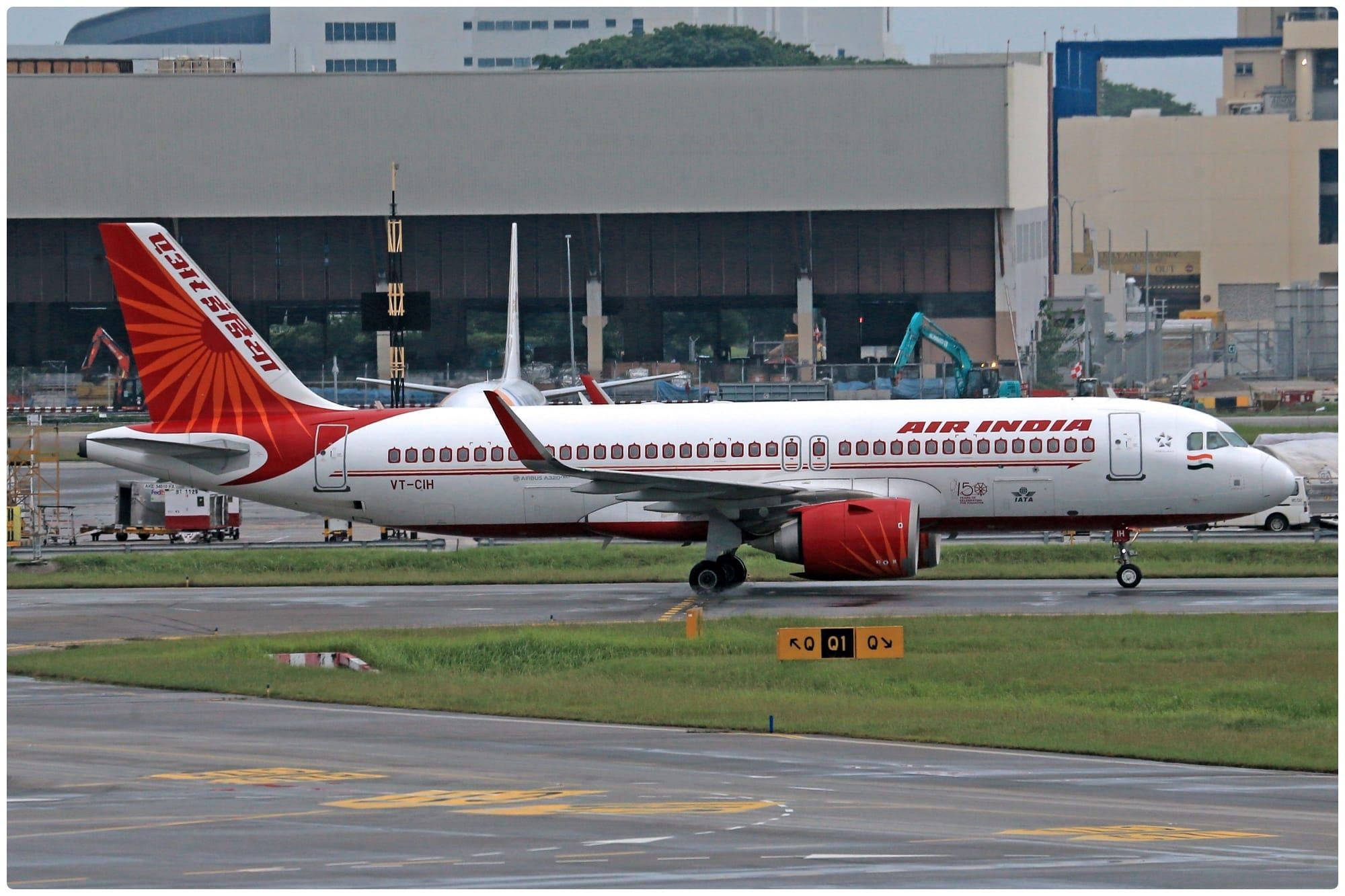
The incident occurred in the early hours of September 4. The passengers arrived at Delhi's Indira Gandhi International Airport from Amritsar aboard Air India flight AI1115 at around 12.50 am. Less than an hour later, at 1.45 am, they departed for Munich aboard Lufthansa flight LH763, a codeshare flight with Air India.
Somewhere between those two flights, immigration was bypassed.
Under the approved procedure, the passengers held domestic, or “D”, boarding passes for the Amritsar-Delhi leg. After landing in Delhi, they were supposed to be separated from other passengers, routed through a designated immigration area, obtain departure clearance and only then proceed towards their international flight.
Instead, according to the Civil Aviation Ministry's show-cause notice, they were allegedly directed into the International-to-International transfer area and eventually reached the departure zone without passing through immigration.
The government is now trying to establish how so many safeguards failed at once.
The ministry has flagged five alleged violations of Air India's Domestic-to-International operating procedures. These include questions over the boarding passes issued at Amritsar, the failure to properly segregate passengers after arrival in Delhi, access to a transfer area that should have been restricted to passengers carrying the appropriate boarding-pass indicator, and whether the required nodal officers and monitoring teams were in place.
More troublingly, the breach was reportedly discovered only later during manual reconciliation rather than being stopped before the passengers boarded their Munich flight.
The Ministry of Civil Aviation issued a show-cause notice to Air India's CEO on September 12 and gave the airline seven days to explain what happened. It has sought answers about the role of Air India and its ground-handling personnel, passenger manifests, immigration data and how travellers holding domestic boarding passes were able to enter an international-transfer route in the first place.
The Home Ministry has also called a meeting involving senior officials from civil aviation, the Intelligence Bureau, the Bureau of Immigration, Air India and Delhi airport to examine the breach and possible changes to the system.
The controversy comes as India expands its hub-and-spoke model, designed to make international connections through major airports such as Delhi faster and easier. Passengers arriving from smaller Indian airports can be channelled through specialised transfer procedures rather than navigating the airport like ordinary domestic arrivals.
But speed depends on segregation working perfectly.
The September 4 incident demonstrates what happens when it does not. Three passengers moved from a domestic flight to an international departure and apparently left the country without India's immigration system recording the mandatory clearance.