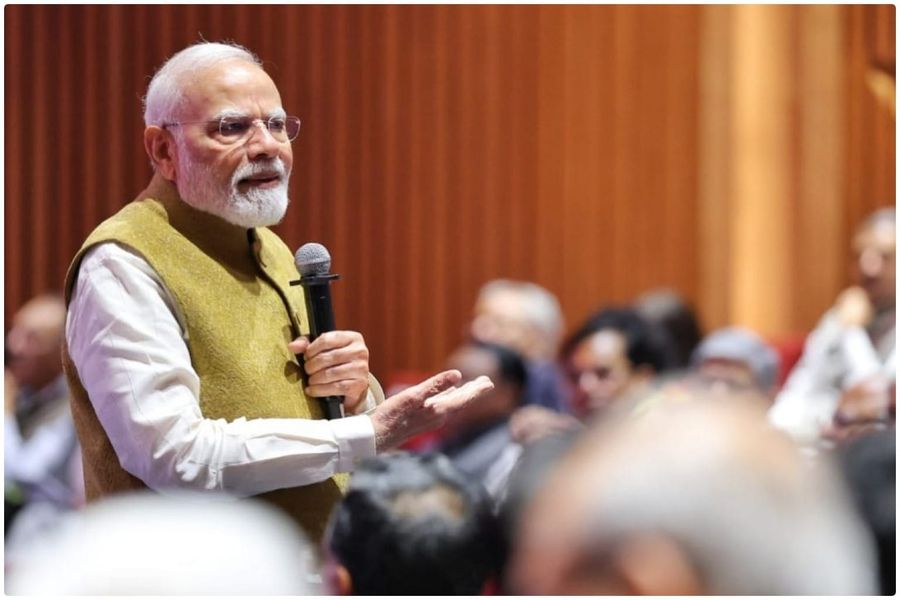
India and Canada are working to conclude negotiations on a comprehensive trade agreement before the end of 2026, with a planned December visit by Prime Minister Narendra Modi adding urgency to efforts to expand commerce between the two countries.
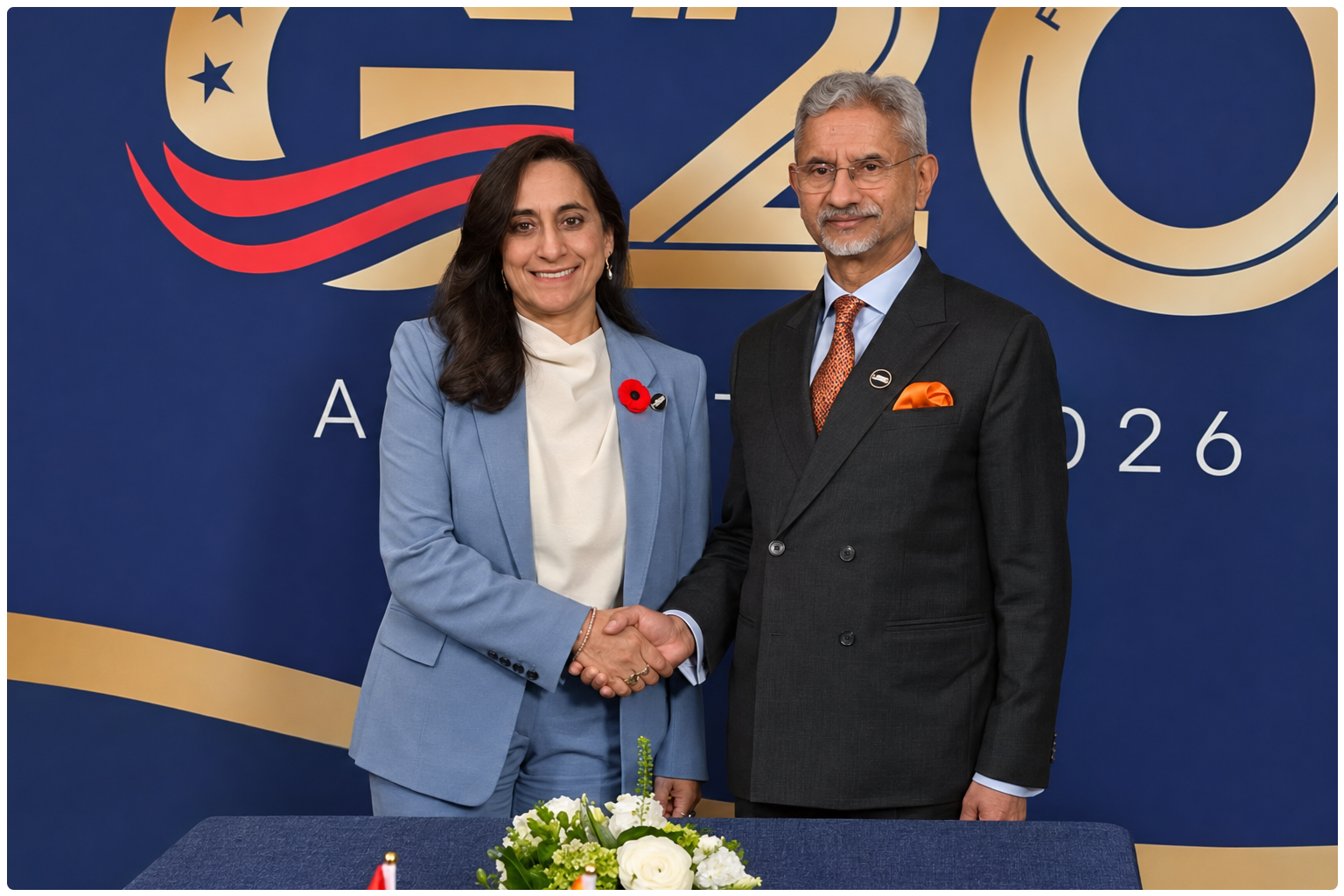
The target was reaffirmed on October 30 when External Affairs Minister S. Jaishankar met Canadian Foreign Minister Anita Anand on the sidelines of the G20 Foreign Ministers' Meeting in Atlanta. According to Canada's official account of the meeting, Anand welcomed progress towards concluding a Comprehensive Economic Partnership Agreement (CEPA) by year-end.
The negotiations have moved through five rounds since March, including the latest round held in Ottawa in early October. Trade ministers Piyush Goyal and Maninder Sidhu have maintained frequent contact, but neither government has announced that the agreement's text is finalised.
Delighted to meet FM @AnitaAnandMP of Canada today. Assessed the steady growth of our cooperation. @G20org #Atlanta 🇮🇳 🇨🇦 https://t.co/zZBvSx1go6
— Dr. S. Jaishankar (@DrSJaishankar) October 30, 2026
The commercial ambition is substantial. India and Canada want to increase annual bilateral trade in goods and services to C$70 billion by 2030, from C$30.4 billion in 2025. That would require trade to more than double within five years.
Canada's official bilateral trade figures show that merchandise trade accounted for C$13.6 billion last year. Canadian exports to India were led by agricultural products, mineral fuels and wood pulp, while imports from India included precious stones, machinery and pharmaceuticals.
The proposed agreement could give exporters more predictable market access and establish clearer rules for services, investment and cross-border business. For India, improved access to Canadian consumers would benefit industries such as pharmaceuticals, engineering goods and information technology. Canada is seeking opportunities in India's energy, critical minerals, agriculture and advanced manufacturing markets.
The two governments have already identified areas requiring detailed negotiation. Their agreed negotiating framework covers trade in goods and services, intellectual property, rules of origin, food-safety requirements and technical barriers to trade.
Such provisions determine which products qualify for preferential tariffs, how regulatory standards are applied and what conditions businesses must meet to benefit from an agreement. The scope of the eventual concessions remains undisclosed.
Trade negotiations are advancing alongside wider economic cooperation. During Canadian Prime Minister Mark Carney's March visit to India, the governments announced a long-term uranium supply agreement and cooperation on critical minerals, reflecting India's interest in securing reliable supplies for its energy and industrial sectors.
Relations have also improved following a period of diplomatic tensions. The governments have resumed high-level engagement on security, education and investment while maintaining separate discussions on law enforcement.
Modi's expected December visit could provide an opportunity to announce progress or settle remaining political questions. For businesses, however, the decisive milestone will be an agreed text specifying tariff commitments, regulatory obligations and implementation schedules. Concluding negotiations in December would not, by itself, mean the trade agreement immediately enters into force.