India has approved plans for a ₹68,800-crore electricity transmission corridor that will connect renewable energy generation in the west with industrial and urban centres in the east. Designed to operate at 1,150 kilovolts (kV), it will become the country's highest-voltage transmission network when commissioned.
The National Committee on Transmission has cleared the proposal, with construction expected to take approximately six years. The decision advances India's plans to move larger quantities of electricity across states as renewable power generation and industrial demand increase.
The first phase will connect Chhattisgarh, Odisha and West Bengal, drawing on a 6,000-megawatt transmission system associated with the Bhadla solar power region in Rajasthan. The arrangement will strengthen connections between areas producing large amounts of renewable electricity and those requiring additional power for manufacturing, commercial activity and urban development.
India's existing long-distance alternating-current transmission network largely relies on 765-kV lines. Moving to 1,150 kV will allow substantially greater electricity transfers through high-capacity corridors, reducing the need to build multiple parallel routes.
Higher-voltage transmission can also lower electrical losses when large quantities of power are transported over long distances. For infrastructure planners, the advantage extends to land requirements, since carrying equivalent power through several lower-voltage lines can require additional transmission corridors.
The project builds on India's wider electricity network expansion. According to the Ministry of Power's July 2026 assessment, the national transmission system is projected to expand from 5.09 lakh circuit kilometres in June 2026 to 6.48 lakh circuit kilometres by 2032.
Over the same period, interregional electricity-transfer capacity is planned to increase from 120 gigawatts to 168 gigawatts, allowing more power to move between regions with different generation resources and demand patterns.
The latest corridor also supports India's target of reaching 500 gigawatts of installed non-fossil electricity capacity by 2030. As more solar and wind projects come online, transmission infrastructure must expand alongside generating capacity to deliver electricity efficiently to consumers.
This is especially relevant to Rajasthan, where large solar installations generate power far from several major industrial markets. In eastern India, states such as Odisha and West Bengal have substantial electricity requirements across steel, metals, manufacturing and urban services.
India's National Electricity Plan identifies higher-voltage transmission technology as an important component of future grid development, alongside new substations, interregional connections and modern power-system equipment.
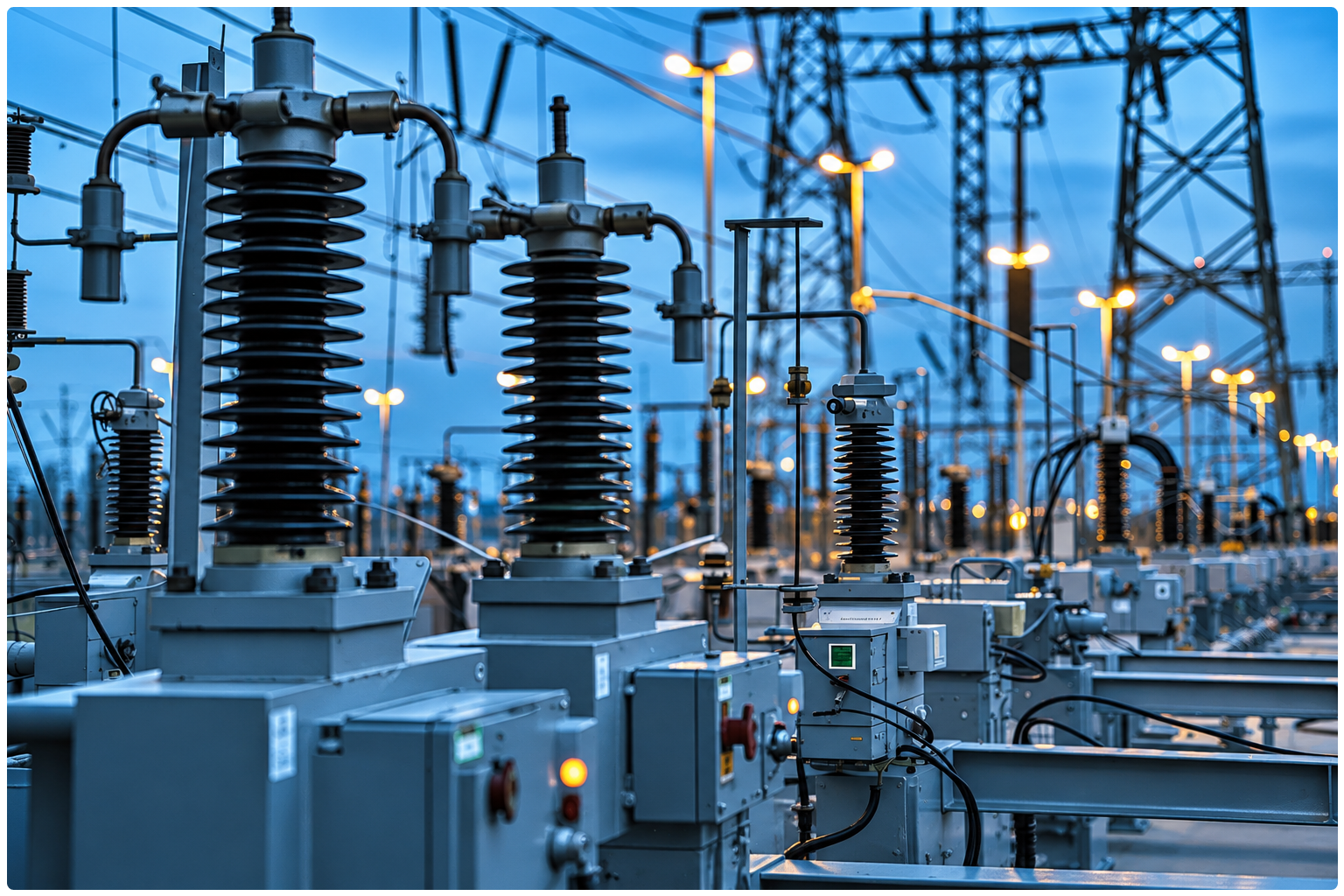
The transition will require specialised transformers, switchgear, insulation systems and protection equipment designed for the higher operating voltage. Their installation and testing will form part of the engineering work needed before the network can begin carrying electricity.
The approved corridor represents a substantial addition to India's planned power infrastructure, supporting the country's expanding renewable energy industry while strengthening electricity supply arrangements for growing industrial centres.