Saudi Arabia's East-West oil pipeline was designed to keep crude moving when shipping through the Strait of Hormuz became difficult. It is now among the installations threatened by Yemen's Houthis, while fresh tanker attacks have reinforced the danger facing energy shipments in the Persian Gulf.
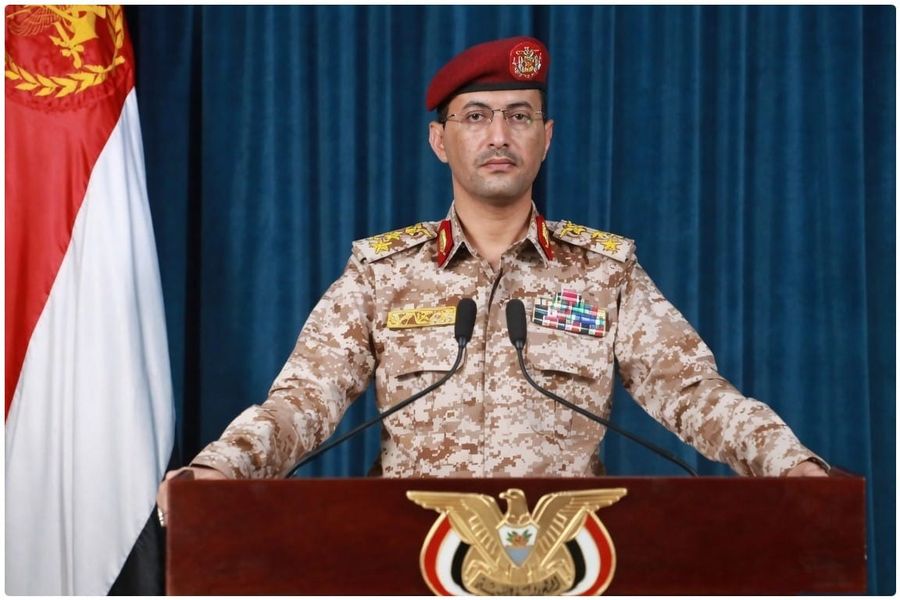
On Thursday, November 12, Houthi military spokesman Yahya Saree claimed attacks against a pumping station on the East-West pipeline, an oil facility in Yanbu and an Aramco building in Riyadh. The group did not establish when each operation occurred or provide independently verified evidence of damage.
Saudi Arabia separately confirmed intercepting two drones, one over Riyadh and another in the Eastern Province. The Saudi-led coalition's statement concerning Riyadh attributed the aircraft to the Houthis, while a second announcement confirmed the Eastern Province interception.
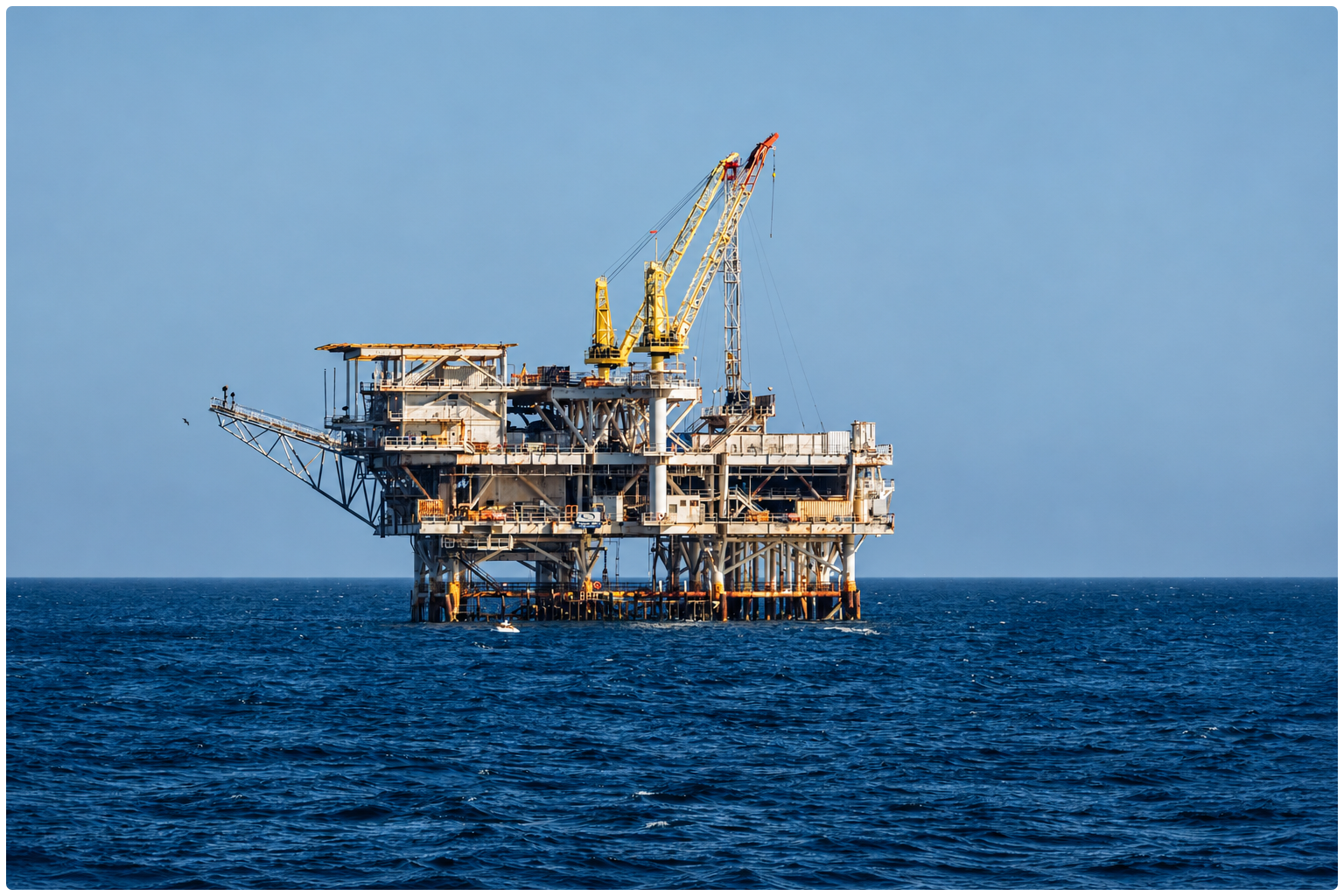
The attacks bring renewed attention to Saudi Arabia's alternative export route. Running from the kingdom's eastern oil-producing region to the Red Sea coast, the pipeline allows crude to reach global markets without passing through Hormuz.
Its importance was demonstrated earlier this year when Saudi Aramco confirmed that the pipeline had reached a capacity of seven million barrels per day, providing additional export flexibility during shipping disruptions.
But bypassing Hormuz does not eliminate military risks. The pipeline's pumping stations and the export facilities around Yanbu remain exposed to attacks, while the southern Red Sea and Bab el-Mandeb face a separate threat from Houthi operations.
The latest Joint Maritime Information Center assessment, issued on November 12, maintained a severe threat classification for the Strait of Hormuz and substantial classifications for the Persian Gulf and southern Red Sea.
Its findings included four recently reported tanker attacks. One vessel, identified as FUJAIRAH ENERGY, was struck by an unidentified projectile while travelling through the Persian Gulf on November 10, leaving multiple casualties. Another tanker, DOMINICA PROSPERITY, suffered an engine-room strike near the United Arab Emirates on November 11, forcing its crew to evacuate.
The maritime authorities did not identify the perpetrators of those individual attacks. Their assessment nevertheless describes continued Iranian Revolutionary Guard activity around Hormuz, including surveillance, interference and pressure on commercial vessels to use particular routes.
The impact on oil trade predates this week's incidents. According to the US Energy Information Administration, petroleum shipments through Hormuz fell from 21.6 million barrels per day in the final quarter of 2025 to 4.9 million in the second quarter of 2026.
Those figures are historical estimates, not current November traffic volumes. The maritime assessment, however, confirms that commercial movements remain substantially below their prewar levels.
Saudi Arabia has already experienced direct attacks on its energy infrastructure. A November 9 strike on the East-West pipeline caused a limited fire, which authorities said was extinguished without interrupting operations. Earlier missile attacks also damaged an Aramco administrative tower in Riyadh.
Recent tanker fires and attacks on Gulf energy infrastructure have continued despite diplomatic efforts to reduce US–Iran tensions.
For oil exporters and importing countries, the concern now extends beyond whether Hormuz can reopen fully. The reliability of alternative routes, the safety of tanker crews and the ability to sustain shipments without further damage have become equally important.