Iraq has dismissed a senior military commander after an investigation confirmed that recent drone attacks against Saudi Arabia were launched from Maysan province, raising serious questions over Baghdad's ability to prevent armed groups from using Iraqi territory to attack neighbouring countries.
Prime Minister Ali al-Zaidi ordered the commander of the Maysan Operations Command removed from his position after investigators established that the attacks originated from a location inside the southern province. Baghdad has also formed an investigative council to examine the operations command and determine how the drones were able to launch from territory under its supervision.
The decision follows a major drone attack on Saudi Arabia's East-West oil pipeline, one of the kingdom's most important pieces of energy infrastructure. Saudi authorities said several drones launched from Iraq struck sections of the pipeline in the Riyadh and Medina regions, causing injuries and damage. The 1,200-kilometre pipeline has since been temporarily shut as a precaution.
🚨🇸🇦🇮🇶 Saudi Arabia shut its main oil pipeline after drones from Iraq hit its pump stations
— Mario Nawfal (@MarioNawfal) September 11, 2026
Riyadh's foreign ministry blamed drones out of Iraq for strikes on the East-West pipeline in the Riyadh and Madinah regions, reporting injuries and damage still being assessed.
The… pic.twitter.com/5IL51qFvbW
The timing could hardly be more dangerous.
The East-West pipeline has become increasingly important because it allows Saudi Arabia to move crude from its eastern oilfields to the Red Sea port of Yanbu without using the Strait of Hormuz. With tanker traffic through Hormuz severely disrupted by the war involving Iran and the United States, Saudi Arabia had been moving around four to five million barrels a day through the pipeline in recent months equivalent to roughly 4% to 5% of global oil supply.
The attack therefore struck the very route Saudi Arabia was relying on to escape the crisis in Hormuz.
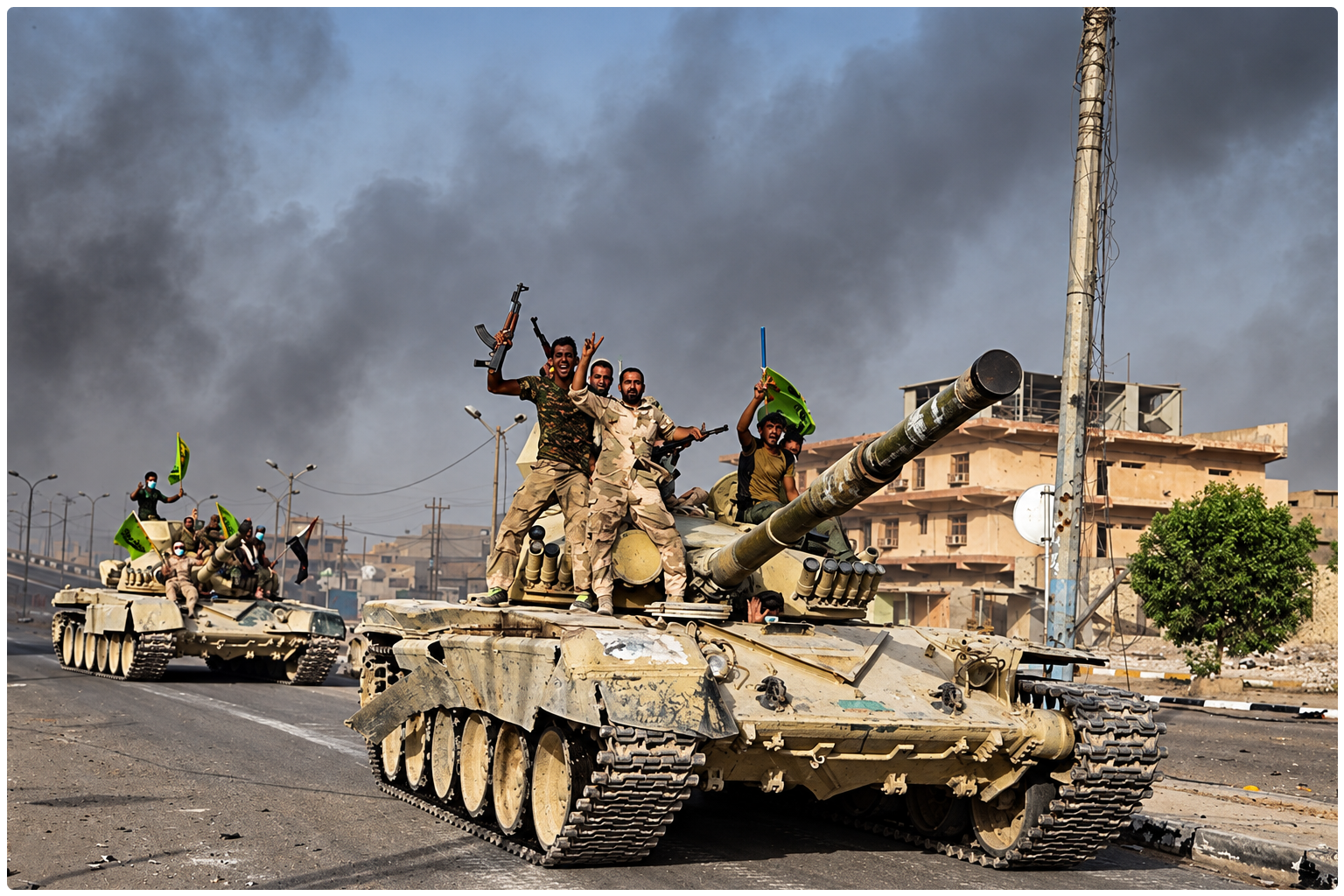
Maysan's role also puts renewed attention on Iran-backed armed groups operating inside Iraq. The province sits along Iraq's border with Iran and has long been an area where Shiite militias maintain significant influence. Baghdad has not publicly identified who launched the drones, and there is currently no evidence establishing which specific group carried out the attack. A large-scale security operation is now under way to find those responsible.
Saudi Arabia has so far chosen not to retaliate. Riyadh said Iraqi Prime Minister al-Zaidi had asked the kingdom to give Baghdad time to take action against those responsible. Saudi Arabia agreed, while warning that it reserves the right to take whatever measures are necessary to protect its territory and critical infrastructure. Iraq, meanwhile, condemned the attack and said it would not allow its territory to be used to threaten neighbouring states.
The decision has probably prevented an immediate escalation between Riyadh and Baghdad, but it does not solve Iraq's deeper problem.
Iran-backed militias have operated inside Iraq for years, some of them formally incorporated into the country's security establishment while retaining their own leadership, weapons and political relationships. During periods of confrontation between Iran and its regional adversaries, Baghdad has repeatedly faced the difficult task of preventing Iraqi territory from becoming another battlefield.
That danger is now returning at the worst possible moment.
Saudi Arabia is already confronting renewed Houthi attacks from Yemen. The Houthis have seized territory along the Red Sea coast and captured Perim Island inside the Bab el-Mandeb Strait, putting further pressure on the kingdom's alternative oil-export route. The attack from Iraq means Riyadh is now facing threats to its energy infrastructure from another direction as well.