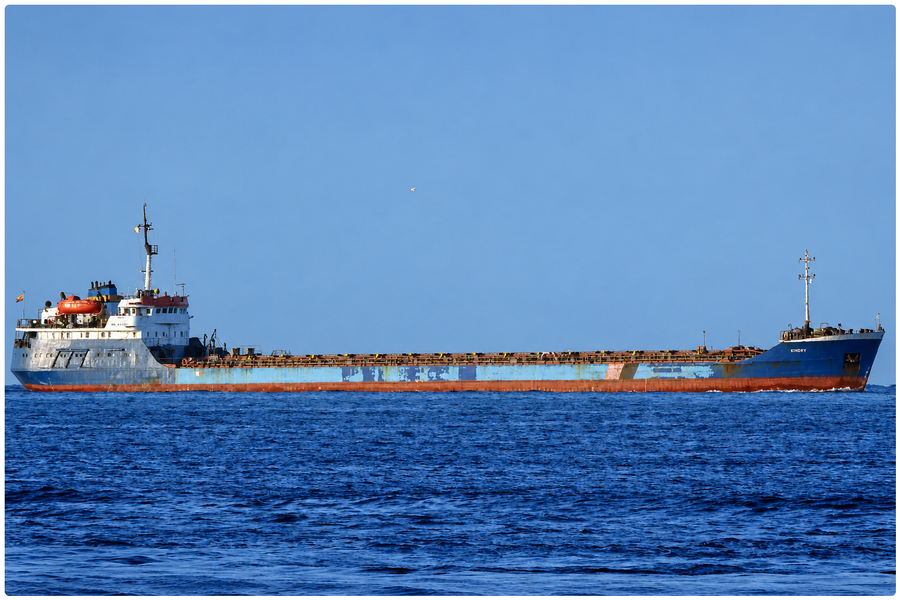
Commercial shipping in the Black Sea has become an increasingly dangerous target in the war surrounding Ukraine. Drone attacks have struck vessels near the coasts of Romania and Bulgaria, leaving sailors dead or missing and forcing NATO to reinforce surveillance along its southeastern flank.
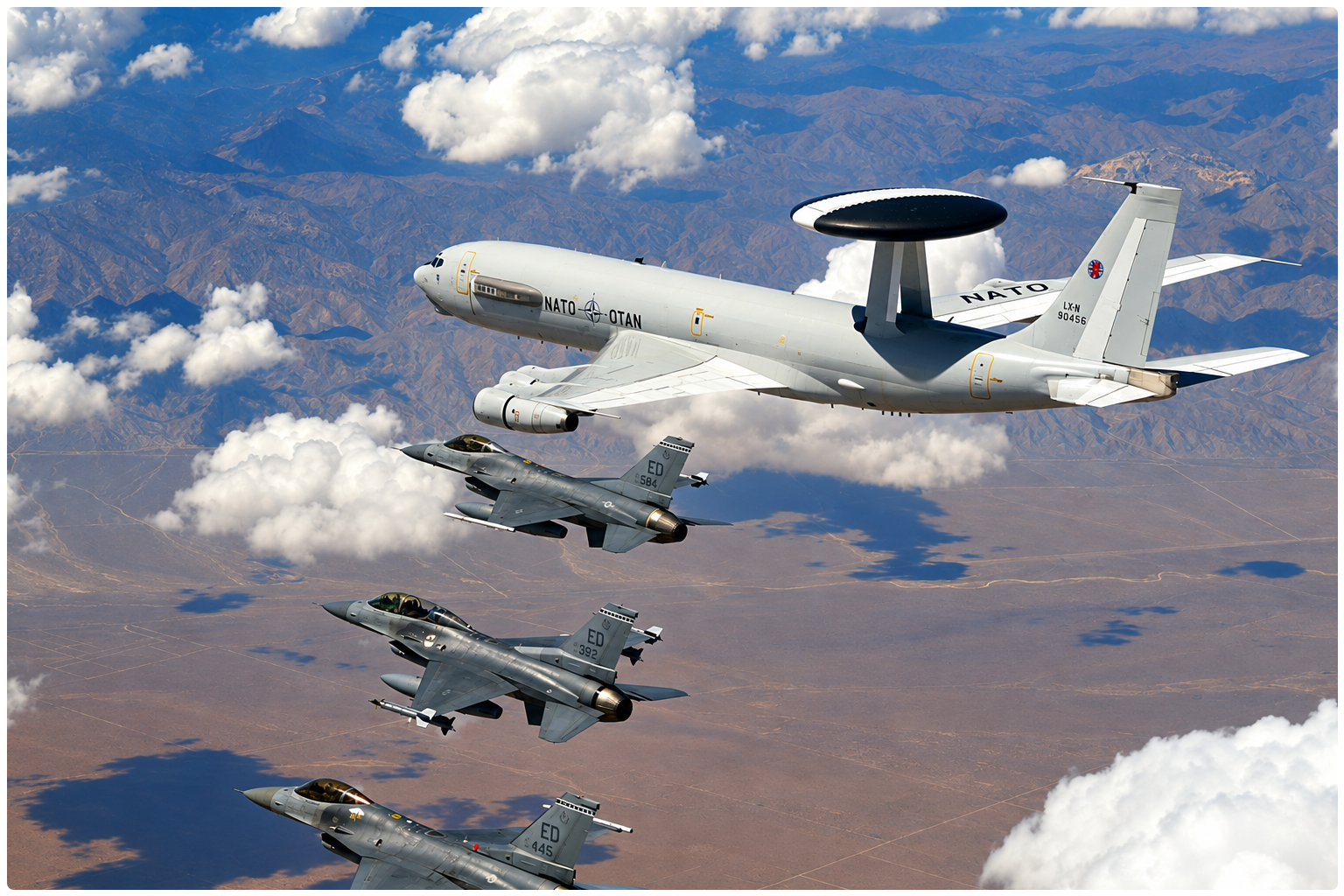
Following consultations among its 32 member states in Brussels on October 20, NATO announced that additional maritime patrol aircraft, drones, radar systems and intelligence personnel would be sent to the region. The reinforcements also include specialists tasked with examining explosive material recovered from attacks on commercial vessels.
Colonel Martin O'Donnell, spokesperson for NATO's Supreme Headquarters Allied Powers Europe, said the alliance's immediate priority was improving its ability to detect and assess threats through additional sensors and intelligence sharing.
The announcement follows a series of attacks that have pushed the conflict closer to waters used by NATO members. At least seven commercial vessels were struck near Romania and Bulgaria over a ten-day period, with reports indicating that at least 23 sailors were killed or remained missing. Two chemical tankers were hit near Romania's coastline, causing fires and leaving seven crew members unaccounted for.
Russia is widely suspected of involvement, although NATO has not formally attributed the attacks to Moscow. Russian authorities have denied responsibility. Without publicly disclosed forensic findings establishing the origin of the weapons, the perpetrators of individual attacks remain unconfirmed.
Bulgaria had already requested additional NATO assistance before Tuesday's announcement. On October 13, Defence Minister Dimitar Stoyanov consulted his Romanian and Turkish counterparts following attacks on two merchant vessels. According to the Bulgarian Defence Ministry's account, Sofia condemned the strikes as violations of international maritime law.
A US Navy P-8A Poseidon maritime patrol aircraft has since begun reconnaissance flights over the Black Sea, Bulgarian Prime Minister Rumen Radev confirmed. The aircraft is equipped for maritime surveillance and anti-submarine warfare, although its reported task in the current operation is to identify potential threats to shipping. It remains unclear whether the aircraft's deployment was formally incorporated into NATO's newly announced reinforcements.
For NATO, the immediate military challenge is obtaining reliable information across a maritime environment where relatively small drones can threaten large commercial vessels. Patrol aircraft can monitor ship movements and suspicious activity across extensive stretches of water, while additional radar coverage and unmanned systems can improve the detection of approaching threats.
The alliance has undertaken similar surveillance measures before. In July 2023, following Russia's withdrawal from the Black Sea grain agreement, the NATO-Ukraine Council announced expanded reconnaissance, including maritime patrol aircraft and drones.
The present reinforcement comes amid a broader effort to strengthen protection against unmanned systems. NATO's October 16 counter-drone initiative describes ongoing trials integrating sensors, command systems and interception capabilities across allied forces.
No new NATO mission to escort commercial ships has been announced. Nor has the alliance disclosed the number of additional aircraft and drones, their deployment locations or the duration of the expanded patrols.
For now, the response is concentrated on surveillance, intelligence collection and the investigation of attacks. Whether those measures can prevent further strikes against civilian shipping will depend partly on how quickly allied forces can detect threats and establish their origin.