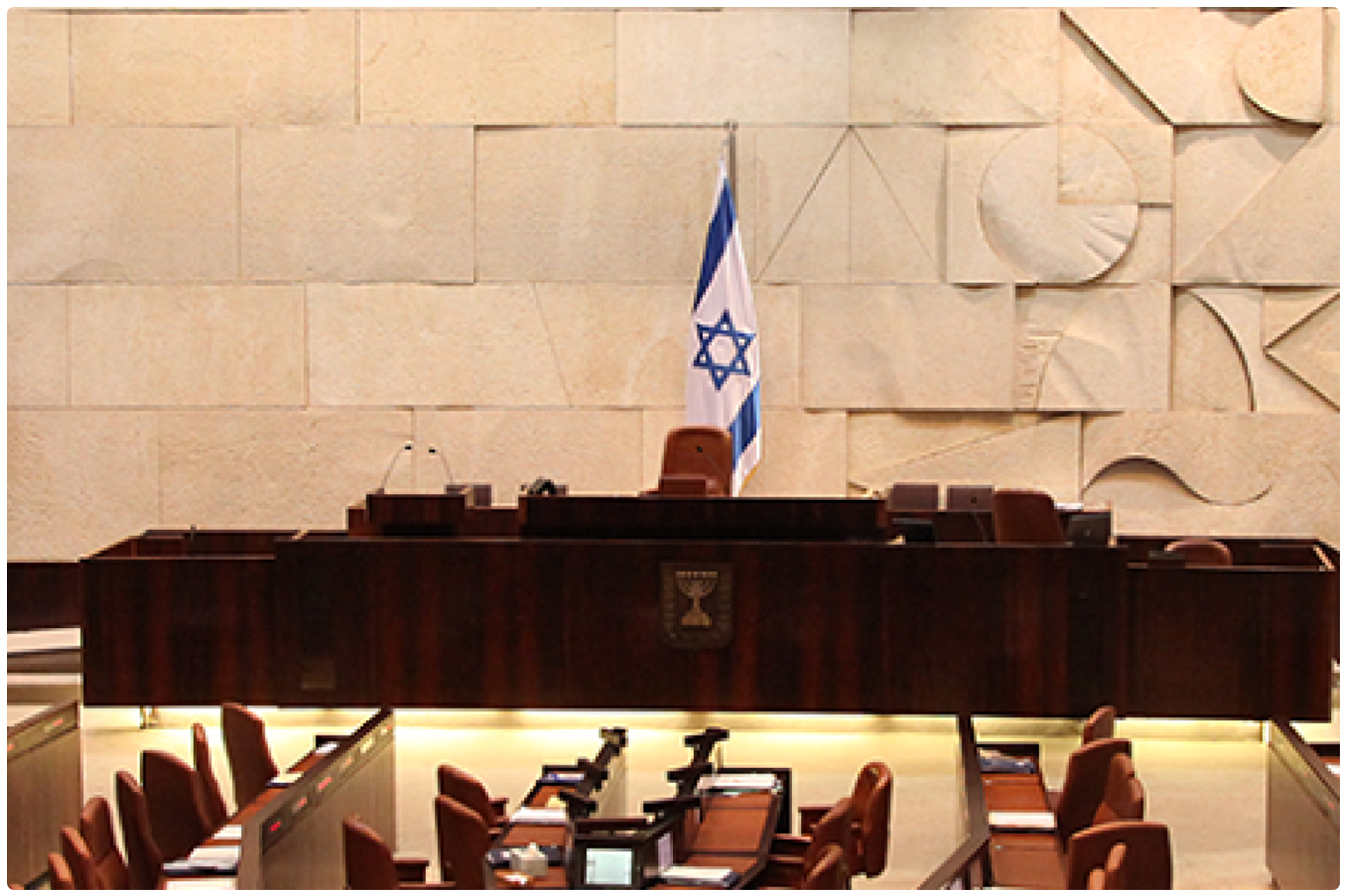
Benjamin Netanyahu's allies spent hours trying to delay a vote in Israel's parliament on Tuesday. When lawmakers finally chose their new speaker, the prime minister's candidate had lost by 14 votes.
Matan Kahana, a former religious affairs minister from Gadi Eisenkot's Yashar party, defeated Likud's Ofir Katz by 66 votes to 52, replacing Amir Ohana, who has held the speakership since December 2022.
The Knesset's official record of the November 17 vote confirms the result and Kahana's appointment. His election followed a lengthy parliamentary debate in which Netanyahu's bloc sought to delay the proceedings.
Kahana's first speech was conciliatory. He pledged to serve all Israelis, regardless of their political allegiance, describing parliament as a home for every citizen.
His election, however, was the product of a difficult political calculation. Parties seeking Netanyahu's removal have enough votes, with support from Arab lawmakers, to win important parliamentary contests. They have not yet reached an agreement on how to govern together.
That disagreement has kept Netanyahu in office despite his coalition losing its majority in the October election. Eisenkot, a former military chief who now leads Yashar, was formally tasked with forming a government by President Isaac Herzog on November 8.
Herzog's decision followed consultations in which 67 lawmakers recommended Eisenkot, while 46 supported Netanyahu. The endorsement gave Eisenkot the first opportunity to assemble a government, but did not commit all 67 lawmakers to joining or supporting the same coalition.
The five opposition leaders who agreed to back Eisenkot after the election remain divided over cooperation with Arab parties. Avigdor Lieberman's Yisrael Beytenu, in particular, has opposed forming a government dependent on their parliamentary support.
The speakership allows Kahana to preside over debates and gives Netanyahu's opponents greater influence over parliamentary business. They are considering legislation that would reverse elements of the outgoing government's judicial overhaul, although the proposed changes remain subject to parliamentary procedures and further votes.
Netanyahu's Likud remains Israel's largest individual party. His allies lost the speakership, but that defeat does not remove him from the premiership. Under Israel's parliamentary system, the outgoing government remains in place until a successor wins the Knesset's confidence.
Kahana's election also brings back a familiar figure from the coalition that briefly displaced Netanyahu in 2021. He served as religious affairs minister in the government led by Naftali Bennett and Yair Lapid, which collapsed the following year.
The parliament he now presides over has already demonstrated a majority against Netanyahu's preferred speaker. Eisenkot still has to persuade enough of those lawmakers to support him as prime minister.