Six years ago, Indian and Chinese soldiers fought along the Line of actual control with clubs, spikes and their bare hands in the Galwan Valley, leaving 20 Indian and at least four Chinese soldiers dead and pushing two of Asia's biggest powers into their worst confrontation in decades. Chinese investment came under scrutiny, apps were banned, direct flights disappeared and tens of thousands of soldiers faced each other across the Himalayas. Now Xi Jinping is back in India for the first time in seven years, sitting across the table from Narendra Modi and talking about rebuilding the relationship. The hostility has not disappeared, nor has the mistrust. But something between India and China is unmistakably changing.
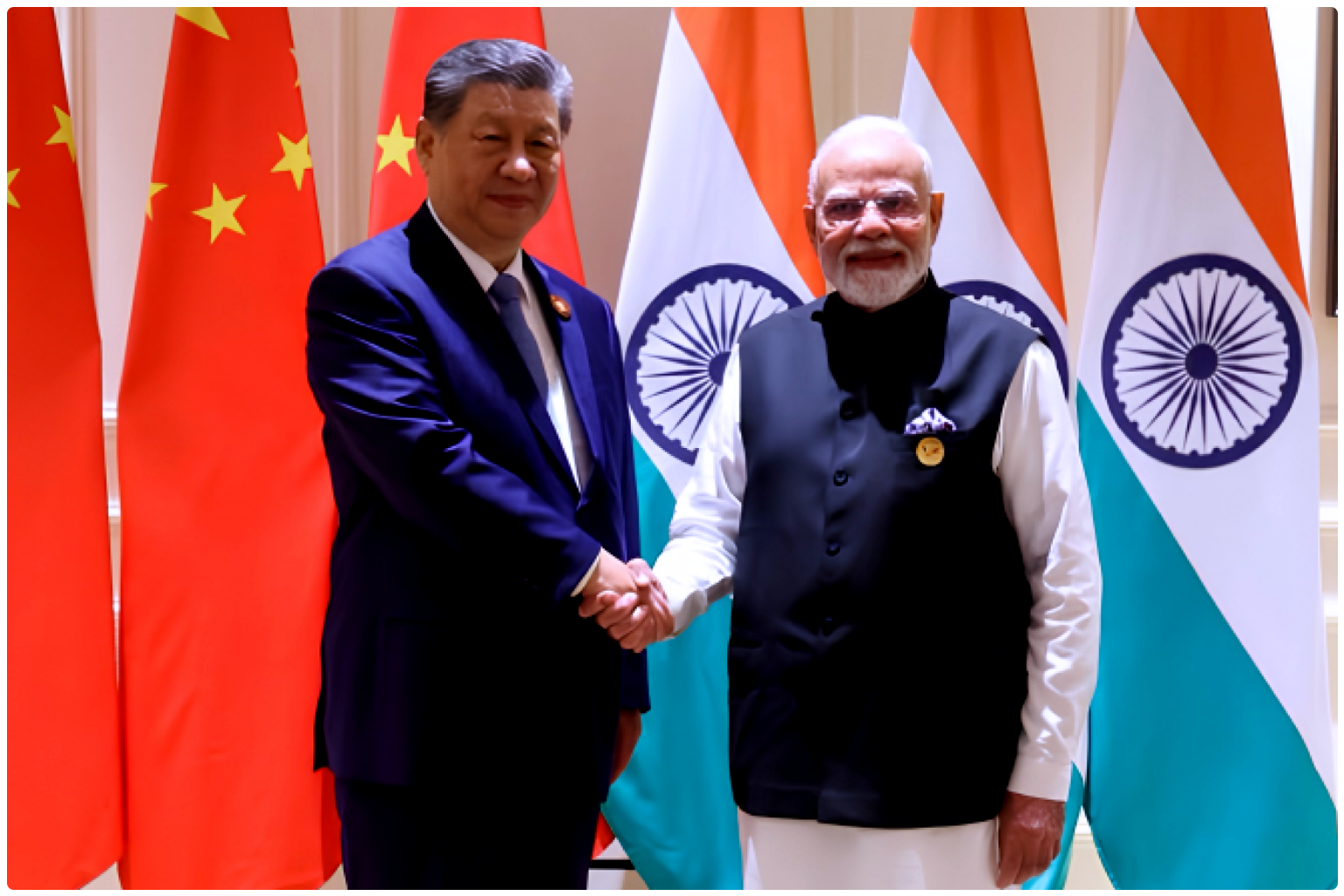
The two leaders met on the sidelines of the BRICS summit in New Delhi on Saturday, during Xi's first visit to India in seven years. Both sides agreed to expand business links, improve transport connectivity, increase cultural exchanges and make it easier for people to travel between the two countries. They also discussed India's enormous trade deficit with China, supply-chain problems and the need for more predictable market access. The language was noticeably different from the hostility that defined relations after the 2020 Galwan Valley clash.
The relationship began thawing in late 2024, when the two sides reached an agreement that helped end the military standoff at key friction points. Since then, direct flights have resumed, visa procedures have been eased, the Kailash Mansarovar Yatra has returned and diplomatic engagement has gradually intensified.
The economic reality is also becoming impossible to ignore. Bilateral trade reached a record $155.6 billion in 2025. China remains India's largest source of imports, supplying everything from electronics and machinery to solar equipment and industrial components. But that dependence is also one of New Delhi's greatest concerns. Indian imports from China reached roughly $132 billion in the 2025-26 financial year, leaving India with a trade deficit exceeding $100 billion. Modi and Xi therefore spoke not simply about increasing trade but about correcting structural imbalances and giving Indian businesses more meaningful access to the Chinese market.
There are signs that both sides want to move forward. India has eased some restrictions imposed on Chinese investment after Galwan, particularly in sectors such as electronics, capital goods and solar manufacturing. New Delhi has approved some joint ventures involving Chinese companies. Yet mistrust runs in both directions. Major Chinese companies continue to face scrutiny in India, while Indian businesses have complained of visa problems and delays involving Chinese industrial equipment and components. Beijing has itself become more cautious about allowing sensitive technology and manufacturing capabilities to flow into India.
Then there is the Himalayas. No amount of trade can completely insulate the relationship from the unresolved border. India and China share a roughly 3,800-kilometre disputed frontier and continue to maintain substantial military deployments there. Border negotiations remain slow. Modi made that point explicitly during his meeting with Xi: peace and tranquillity along the border remain essential for the continued development of bilateral relations. One serious confrontation could still undo years of diplomatic repair.
The strategic competition is even larger. India remains suspicious of China's close relationship with Pakistan, its expanding presence across the Indian Ocean and the Belt and Road Initiative. China watches India's growing strategic cooperation with the United States, Japan and Australia through the Quad with equal suspicion. Both are simultaneously competing for influence across South Asia and the wider Global South.
That is why calling what is happening a friendship would be premature.
What Modi and Xi appear to be building is something more pragmatic: managed competition.
Neither country benefits from having nearly three billion people represented by two nuclear-armed neighbours permanently locked in confrontation. India needs Chinese machinery, components and investment in parts of its manufacturing economy. China does not want its enormous southern neighbour pushed permanently into an anti-China strategic alignment. Both also face an increasingly unpredictable global order in which relations with Washington can no longer be taken for granted.