Brent crude climbed back towards $110 a barrel on Wednesday as renewed attacks on shipping and threats to Saudi Arabia's energy infrastructure raised concerns over the security of Middle Eastern oil supplies. The recovery followed a volatile session in which hopes of diplomatic progress briefly pulled prices lower.
Brent futures gained 85 cents to $109.64 a barrel in early trading on October 21, while US West Texas Intermediate rose 76 cents to $98.58. Both benchmarks recovered after Tuesday's retreat, when discussions between Iranian President Masoud Pezeshkian and Pakistan's army chief encouraged expectations of renewed diplomatic engagement.
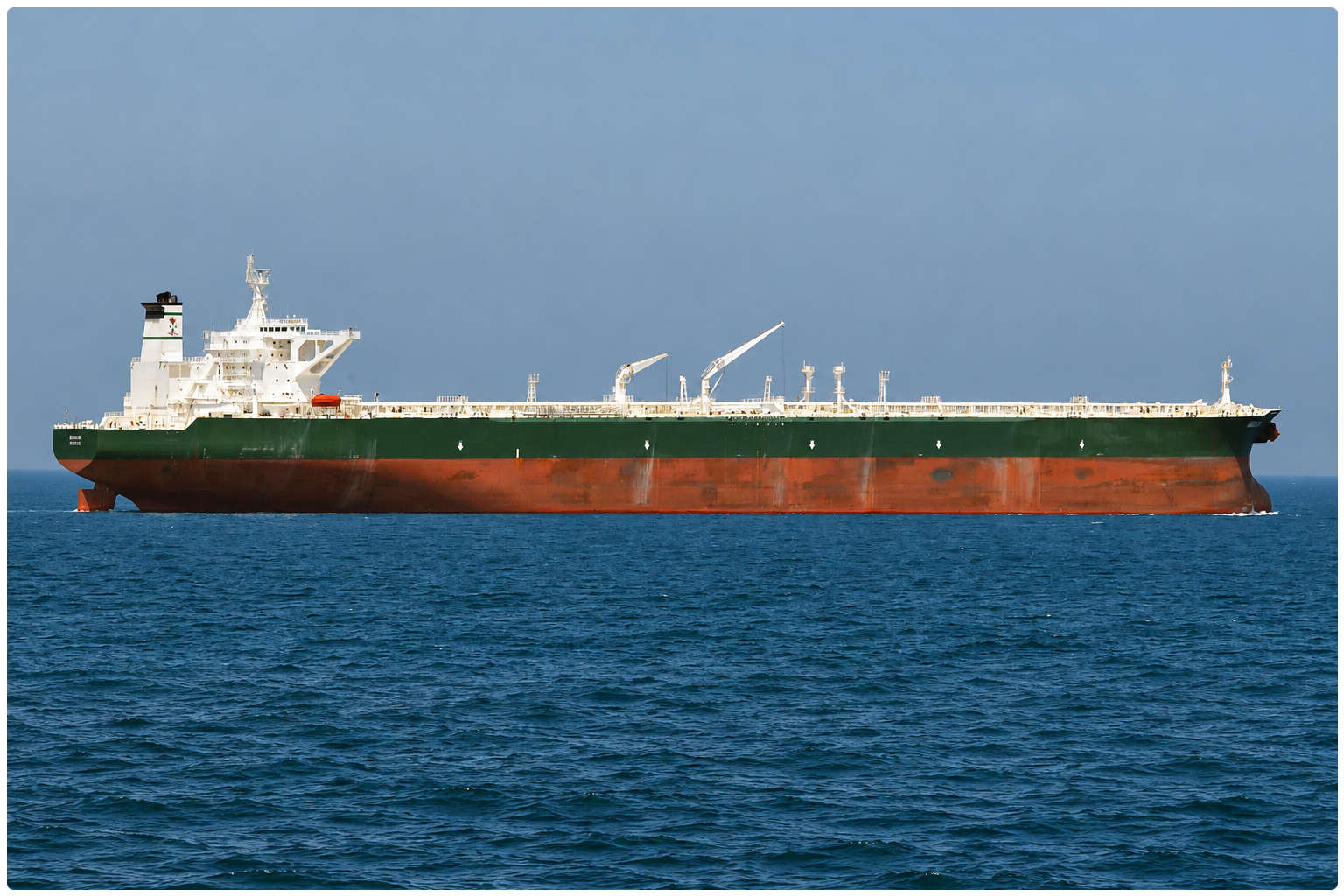
Those hopes have struggled to outweigh the mounting danger to commercial vessels. A supertanker reportedly caught fire after striking a sea mine south of the Strait of Hormuz, adding to a series of incidents involving tankers and cargo ships in the region. Iran's Revolutionary Guards Navy claimed the vessel had violated Iranian regulations, although the circumstances of the incident have not been independently established.
The latest reports follow a succession of maritime security warnings issued by UK Maritime Trade Operations, including confirmed reports of vessels struck by unidentified projectiles. On October 18, a tug northeast of Khor Fakkan in the United Arab Emirates reported damage after being hit by two projectiles. Two days later, authorities received another report involving a tanker and military activity east of Oman.
The attacks have brought renewed attention to the difficulty of transporting oil through a region where several shipping corridors are exposed to conflict. Threats around the Strait of Hormuz have already forced producers and shipping companies to consider alternative routes, while Houthi attacks on Saudi facilities and insecurity along the Red Sea export corridor have complicated efforts to bypass the Gulf.
The disruption is expensive even when ships manage to complete their journeys. At an October 12 meeting in Riyadh, OPEC and its partners warned that shipping and insurance costs had exceeded one-third of the commodity's value in some cases, increasing expenses for producers and importing countries alike.
The scale of the problem is reflected in earlier US Energy Information Administration estimates. Oil flows through Hormuz averaged just 4.9 million barrels a day in the second quarter of 2026, compared with 21.6 million barrels a day in the final quarter of 2025, before the conflict began.
Some shipments have since recovered, but the continuing attacks mean that restoring volumes alone cannot eliminate the additional costs associated with transporting oil through the region.
For India, higher crude prices and freight charges increase the cost of securing imported energy. Recent American measures easing restrictions on certain Russian fuel transactions may offer some flexibility to international buyers, but they cannot resolve the difficulties facing Gulf shipping.
The immediate pressure on oil prices is coming from the safety and cost of transporting existing supplies rather than any newly announced production cut. OPEC+ has already decided to maintain September production requirements through November, leaving exporters and importers to contend with the disruptions to maritime trade.