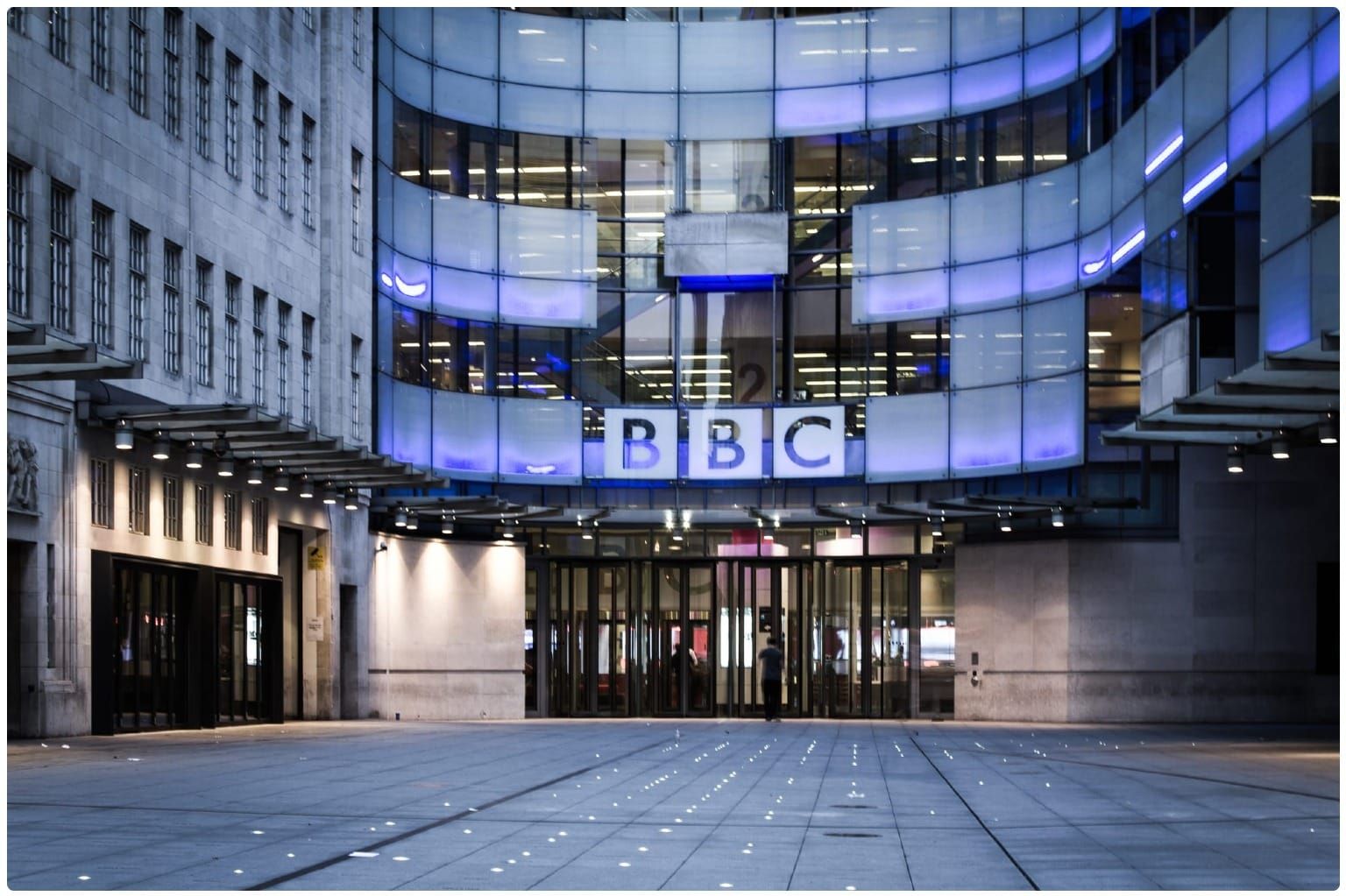
The BBC is facing another test of its editorial credibility after allegations emerged that dozens of Palestinians it had described or memorialised as journalists were connected to Hamas and other armed groups.
The Telegraph expose examining the broadcaster’s coverage reportedly identified 53 such cases, many involving people mentioned in BBC Arabic reports. The allegations include individuals described by Palestinian armed factions as members or “martyrs”, as well as people shown carrying weapons or wearing military uniforms.
BBC Accused of Listing 53 Hamas-Linked Militants as Gaza “Journalists”
— ME24 - Middle East 24 (@MiddleEast_24) September 26, 2026
The Telegraph identified 53 names with militant links whom the BBC presented as journalists; CPJ later removed 12 over combat involvement.
BBC Arabic continues listing them as journalists despite evidence… pic.twitter.com/NWk3LKafkU
The BBC has said it is reviewing the matter. It has not publicly identified which names are being examined or announced when the review will be completed.
The entire figure of 53 has not been independently established. But the underlying problem can no longer be dismissed as conjecture. The Committee to Protect Journalists conducted its own extensive review of Gaza fatalities and removed 22 people from its database after concluding that 19 had engaged in combat and three did not qualify as journalists or media workers.
The review was prompted partly by obituaries from Hamas and Palestinian Islamic Jihad identifying people previously listed as journalists as combatants. CPJ examined work records, social-media material, photographs, videos and statements from armed organisations before revising its database.
The controversy follows the collapse of confidence surrounding the 2025 documentary Gaza: How to Survive a Warzone. The programme was narrated by the son of a Hamas government official, a relationship that was not disclosed to viewers. The BBC removed the film from its streaming service after an internal review found serious editorial failures.
Ofcom subsequently ruled that the documentary was materially misleading and ordered the BBC to broadcast a statement explaining its failure. The regulator found that the omission deprived viewers of information they needed to assess the narrator and the documentary’s perspective.
The BBC had already been censured over its coverage of an antisemitic attack on Jewish teenagers travelling through London. Its reports claimed that anti-Muslim abuse could be heard from inside their bus. When evidence challenging that interpretation emerged, the broadcaster took weeks to amend its reporting. Ofcom later found significant editorial failings.
The crisis reached the corporation’s leadership after a Panorama documentary combined separate portions of Donald Trump’s January 6 speech, creating the impression of a continuous statement directing supporters towards the Capitol and urging them to fight. The programme omitted Trump’s call for supporters to demonstrate “peacefully and patriotically”.
BBC chairman Samir Shah acknowledged that the edit produced the impression of a direct call for violent action and apologised for an “error of judgment”. The controversy, exposed through a leaked memorandum by former editorial adviser Michael Prescott, contributed to the resignations of Director-General Tim Davie and news chief Deborah Turness.
Each case can be explained individually as an editorial failure. Taken together, they present a harder question.
Why does an organisation built around verification, repeatedly require regulators, whistleblowers and outside investigators to discover mistakes involving some of the world’s most politically sensitive stories?
The BBC is entitled to defend its journalism. It is not entitled to substitute another opaque review for public accountability. If people presented as journalists were actually combatants, the corporation must correct the record, identify the failures and explain how they passed through its editorial controls.
The issue is no longer whether the BBC makes mistakes. Every newsroom does. But repeated failures that consistently favour the same narrative cannot be dismissed as ordinary newsroom errors, particularly when each controversy ends with another review, another apology and another promise of reform.