The United States sees no immediate need to resume major attacks against Iran, Secretary of State Marco Rubio has said, arguing that Washington's naval blockade and sanctions are causing enough economic damage to achieve what further military action would otherwise accomplish.
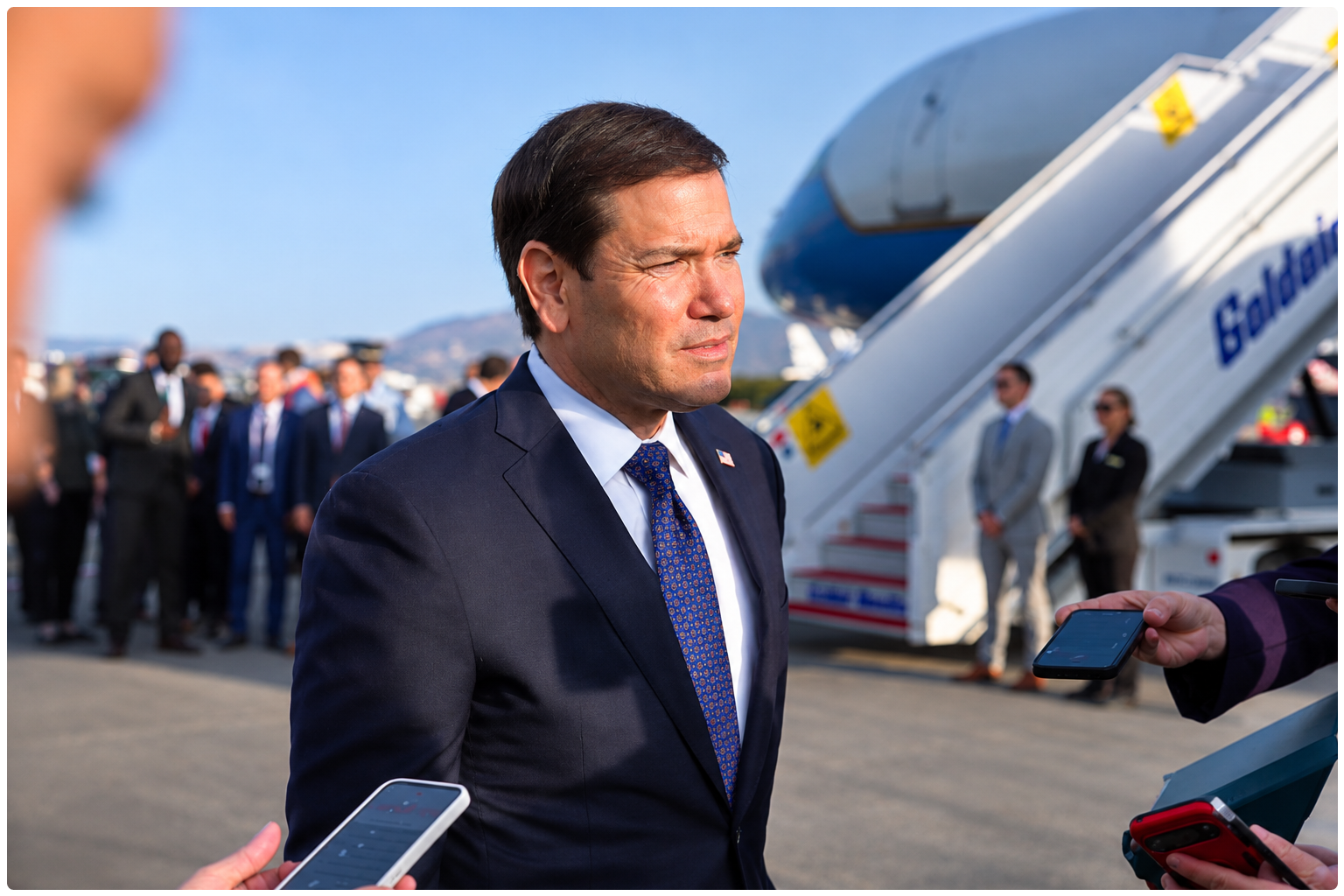
Rubio made the remarks in Paris on November 10, after meeting his G7 counterparts, several of whom have pressed Washington to avoid another escalation. He described an Iranian economy increasingly deprived of oil revenues and access to international financial networks, and said President Donald Trump was prepared to let those restrictions continue.
"The economic pain that is being inflicted on Iran right now is extraordinary, and it compounds," Rubio said during his remarks to reporters.
The administration is betting that Tehran will become more willing to negotiate as its financial position deteriorates. Rubio argued that Iranian oil already at sea represented one of the country's few remaining sources of export revenue, while the Treasury Department continued identifying networks used to circumvent American restrictions.
The campaign has extended beyond oil tankers. In October, the US Treasury sanctioned financial intermediaries and shipping networks accused of helping Iran move petroleum and other commodities through international markets.
Washington describes those measures as a way to weaken the Iranian government without launching another offensive. But their impact extends to a population already enduring the economic consequences of months of war, trade disruption and isolation.
Rubio's announcement was not accompanied by an offer to lift the blockade. Nor did he suggest that American forces would withdraw from the region. He warned that renewed Iranian attacks could still bring a military response, declining to specify the circumstances under which Washington would resume strikes.
European governments have been trying to prevent precisely that outcome. France has indicated that it could support a defensive maritime mission once conditions improve, while G7 allies have resisted Washington's request for immediate naval assistance.
The disagreement has left the Strait of Hormuz caught between competing military and diplomatic demands. Shipping remains vulnerable, energy markets are exposed to disruption, and neither Washington nor Tehran has agreed to the conditions necessary to restore normal trade.
Diplomacy has made limited headway. Qatar continues mediating between the two governments, but Rubio was dismissive of Tehran's negotiating position, describing its demands as unrealistic.
His confidence in economic pressure also raises a question Washington cannot answer simply by counting restricted shipments or sanctioned companies. Iran has endured decades of American sanctions without accepting every condition imposed upon it. Additional pressure may weaken its bargaining position, but it does not guarantee an agreement.
Trump has already described the war as effectively over from a military standpoint. Rubio is now explaining how the administration intends to proceed without formally ending the confrontation: keep the blockade, tighten the sanctions and retain the ability to strike.
For Tehran, the American offer remains difficult to distinguish from an ultimatum. The bombing may have paused, but Washington intends to maintain the pressure until Iran accepts terms it has so far resisted.