The future of European security will be discussed in Brussels this week. Washington has scheduled new negotiations with Russia and Ukraine in Abu Dhabi for November 10–11, reviving a diplomatic process that has struggled to reconcile Moscow's territorial demands with Kyiv's insistence on lasting security guarantees.
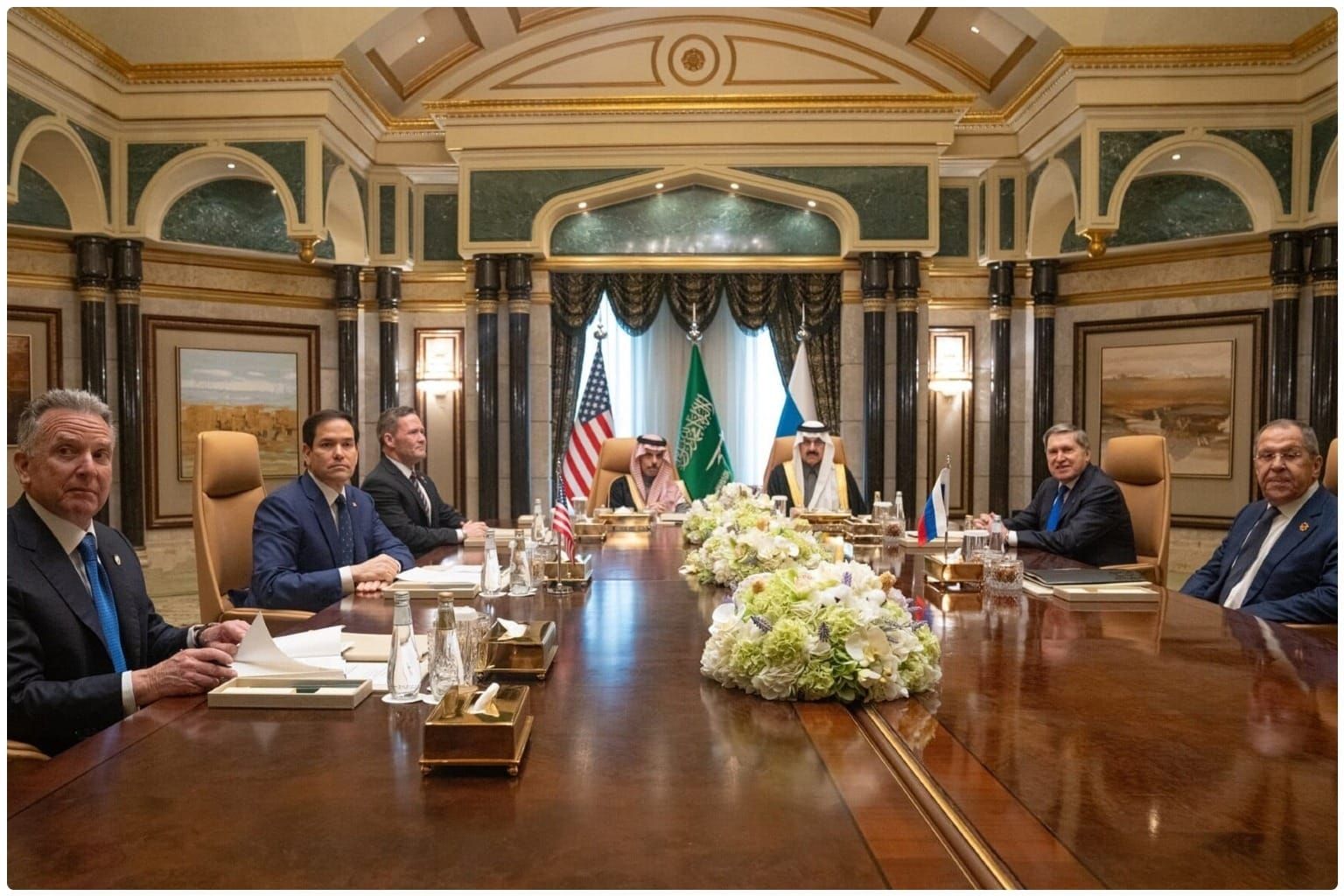
US special envoy Steve Witkoff announced the dates on Monday, November 2, confirming that the United States would mediate talks between negotiating teams from the three countries. The agenda includes arrangements for security after the war, measures to reduce hostilities, humanitarian issues and possible steps towards a peace agreement.
Witkoff and Jared Kushner, President Donald Trump's son-in-law, are expected to represent Washington. The meeting follows American discussions with Ukrainian President Volodymyr Zelenskyy and Russian President Vladimir Putin during October.
For Kyiv, the announcement provides the meeting it has been requesting for several weeks. In an October 23 address to the Hudson Institute, Zelenskyy said his government had agreed to trilateral negotiations at the working level and wanted them held as early as possible.
Moscow subsequently confirmed its willingness to participate. Kremlin spokesman Dmitry Peskov said the discussions would initially involve Russia, Ukraine and the United States, while acknowledging that a broader settlement of Europe's security questions would require other participants.
That leaves European governments with a delicate position. France, Germany and Britain have provided substantial support to Ukraine, while the European Union and NATO have their own interests in the arrangements intended to prevent another war. Yet they are not listed as participants in the initial Abu Dhabi format.
Washington intends to address some of those concerns separately. American negotiators are due to meet representatives of France, Germany, Britain, the EU and NATO in Brussels this week to discuss guarantees for Ukraine, Europe's future security arrangements and financing for reconstruction.
The European Council has already committed itself to supporting credible security guarantees, including assistance intended to strengthen Ukraine's long-term ability to defend itself. Translating those commitments into a negotiated settlement would require agreement on the obligations individual governments are prepared to assume.
Ukraine has also been pursuing alternative diplomatic channels. During his October 31 meeting with Turkish President Recep Tayyip Erdoğan, Zelenskyy discussed preparations for the trilateral meeting, possible Turkish involvement and proposals to improve security in the Black Sea.
The renewed diplomacy comes amid continuing attacks. In his November 2 address, Zelenskyy accused Russian forces of striking a humanitarian facility in the Zaporizhzhia region, killing 26 people. He also warned that Ukrainian intelligence expected further attacks against energy and transport infrastructure. Those statements describe Kyiv's account of the situation, not findings established by the negotiating parties.
Previous US-mediated meetings earlier this year failed to produce a settlement. Territorial control, ceasefire arrangements and the credibility of post-war guarantees remain unresolved.
Abu Dhabi will bring the negotiating teams together again, but it is not a meeting of the three presidents. Nor does agreement to attend indicate that Moscow and Kyiv have accepted a common peace framework. The Brussels consultations may prove equally consequential in determining which security commitments European governments would be prepared to support.