Fragments from two intercepted ballistic missiles fell in Saudi Arabia's Mecca region on Wednesday, November 11, as the kingdom's air defences confronted another wave of Houthi attacks across its territory. The interceptions followed the destruction of three cruise missiles heading towards Riyadh and two drones detected over western and southern Saudi Arabia.
Saudi Civil Defence said emergency teams responded to falling missile debris at several locations, including Sabuhah village, northeast of Mecca. Its official statement issued on November 12 identified the Houthis as responsible for launching the two ballistic missiles towards the region.
Saudi state television also identified Wadi al-Maghmas, east of Mecca, as an area where fragments had fallen. The authorities did not establish that the Grand Mosque or any other religious site had been directly targeted.
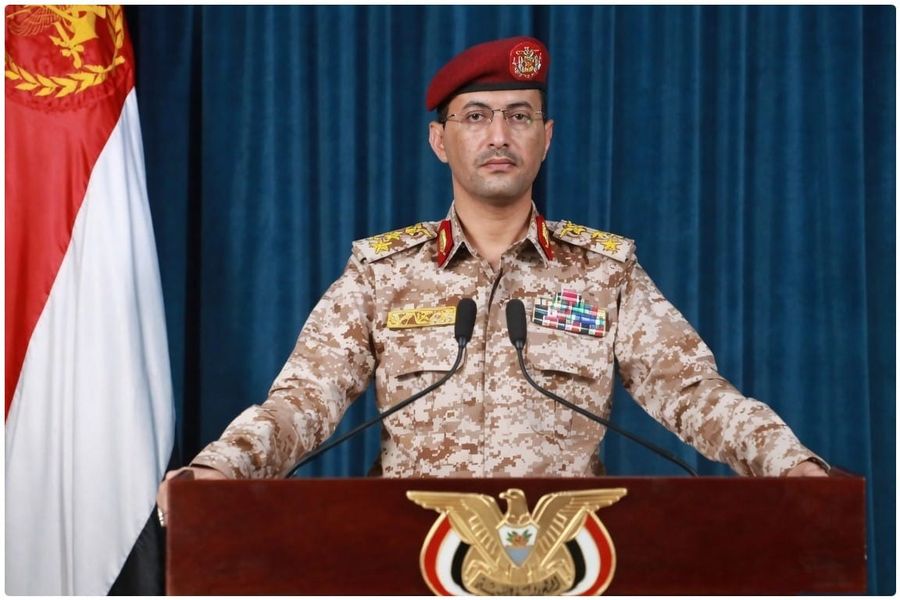
The location of the interceptions prompted a dispute over the intended targets. Houthi military spokesman Yahya Saree denied that his forces had launched a drone at Mecca, saying their operations were directed against military installations and oil infrastructure rather than Islamic holy sites.
Earlier on Wednesday, coalition spokesman Major General Turki al-Maliki announced that three cruise missiles had been intercepted while heading towards the Riyadh region. He subsequently confirmed the destruction of two Houthi drones, one in the Mecca region and another in southern Saudi Arabia.
Together, the coalition's announcements identified seven intercepted weapons during the day. The reports did not establish a comprehensive assessment of damage from the entire series of attacks.
Security warnings were issued in Taif, Yanbu and Khamis Mushait as the military operations continued. Civil defence authorities subsequently announced that the immediate danger had passed.
Saree also claimed that Houthi forces had attacked an oil pumping station in Yanbu, on Saudi Arabia's Red Sea coast. Riyadh had not confirmed damage to the facility, and there was no independently verified evidence of an interruption to oil transportation.
Yanbu has become particularly important to Saudi energy security because the kingdom's East-West pipeline provides a route for crude exports that bypasses the Strait of Hormuz. An attack on its pumping infrastructure could threaten export operations, although the latest Houthi claim does not establish that such disruption occurred.
Wednesday's attacks followed another round of missile interceptions over the Saudi capital. On November 10, the coalition confirmed the destruction of a ballistic missile launched towards Riyadh.
The renewed campaign has already affected commercial districts and infrastructure in the capital. On November 8, missile interception debris damaged an Aramco administrative tower in Riyadh's King Abdullah Financial District, with Saudi authorities reporting no casualties.
The fighting has intensified alongside Saudi-led air operations inside Yemen, where Houthi-controlled authorities have reported civilian casualties from recent strikes. Riyadh maintains that its military operations target Houthi capabilities used to launch cross-border attacks.
The latest interceptions demonstrate the continuing pressure on Saudi air defences, including around one of Islam's most important religious centres. The immediate question for investigators is where the intercepted weapons were intended to strike, a matter on which Saudi and Houthi accounts remain sharply divided.