Saudi Arabia is reportedly preparing a major military offensive against Yemen’s Houthis, assembling more than 100,000 Yemeni troops for an operation intended to reverse the group’s recent gains along the Red Sea coast and secure the strategically important Bab el-Mandeb Strait.
The operation could begin within weeks and would be conducted primarily by forces aligned with Yemen’s internationally recognised government. Saudi Arabia is expected to provide air support, intelligence, equipment and military advisers rather than deploy large numbers of its own soldiers on the ground.
Riyadh has not officially announced the offensive, and the final military plan may still change. Officials are reportedly considering two principal options: a limited coastal campaign to recover territory around Bab el-Mandeb or a broader operation across several fronts, potentially including fighting near Taiz, Marib and Hodeidah.
Bab el-Mandeb connects the Red Sea with the Gulf of Aden and forms part of the main maritime route between Europe and Asia through the Suez Canal. Any sustained disruption around the strait would affect commercial shipping, energy supplies and insurance costs far beyond Yemen.
The Houthis have expanded their position along Yemen’s western coast and intensified missile and drone attacks against Saudi territory and shipping. Their advances have placed additional pressure on Saudi Arabia at a time when instability around the Strait of Hormuz has already threatened another major route for global energy exports.
The reported Saudi plan relies on uniting Yemeni forces that have historically been divided by regional loyalties, political rivalries and competing visions for the country. Their ability to operate under a coordinated command will be central to whether the campaign can recover territory without becoming stalled in another prolonged war.
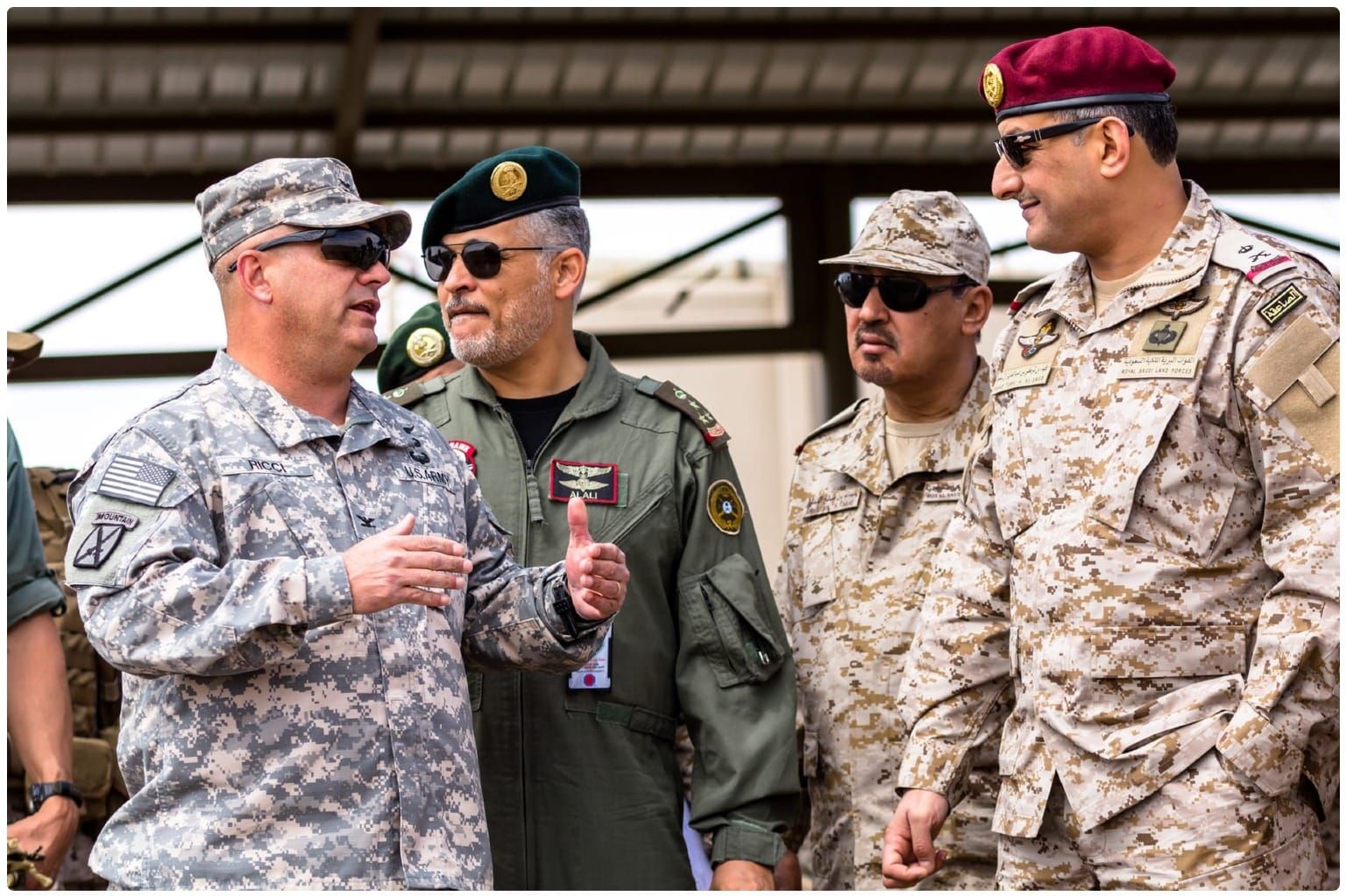
The United States is reportedly supplying intelligence, targeting information and advisers for Saudi air operations but has not agreed to participate directly in the offensive. President Donald Trump is said to have rejected Saudi requests for American airstrikes, although Washington’s position could change if the operation encounters serious difficulties.
Pakistan has reportedly supplied air-defence systems, light artillery, drones and anti-drone equipment, while Pakistani advisers are supporting Yemeni government forces. Turkish drones purchased by Saudi Arabia are also being used over Yemen. France is preparing defensive deployments to help protect the Saudi port city of Yanbu.
The preparations follow a renewed cycle of cross-border attacks and airstrikes. Saudi forces have struck what they describe as Houthi military sites, while the Houthis have launched missiles and drones towards Saudi cities, oil infrastructure and military installations. Each side disputes parts of the other’s account, making independent verification difficult.
A new offensive would mark the most serious attempt to alter Yemen’s front lines since the 2022 truce largely reduced large-scale fighting. Saudi Arabia intervened in Yemen in 2015 but struggled to defeat the Houthis despite years of airstrikes and extensive military spending.
The humanitarian consequences could be severe. Yemen imports approximately 90 per cent of its food, and renewed fighting has already disrupted supply routes and displaced tens of thousands of people. The World Food Programme says 74 per cent of surveyed households in government-controlled areas are unable to obtain sufficient food.
For Saudi Arabia, the operation carries considerable risk. A successful coastal campaign could weaken the Houthis’ ability to threaten Red Sea shipping. A failed or prolonged assault could expose Saudi cities and oil facilities to further retaliation while deepening one of the world’s worst humanitarian crises.