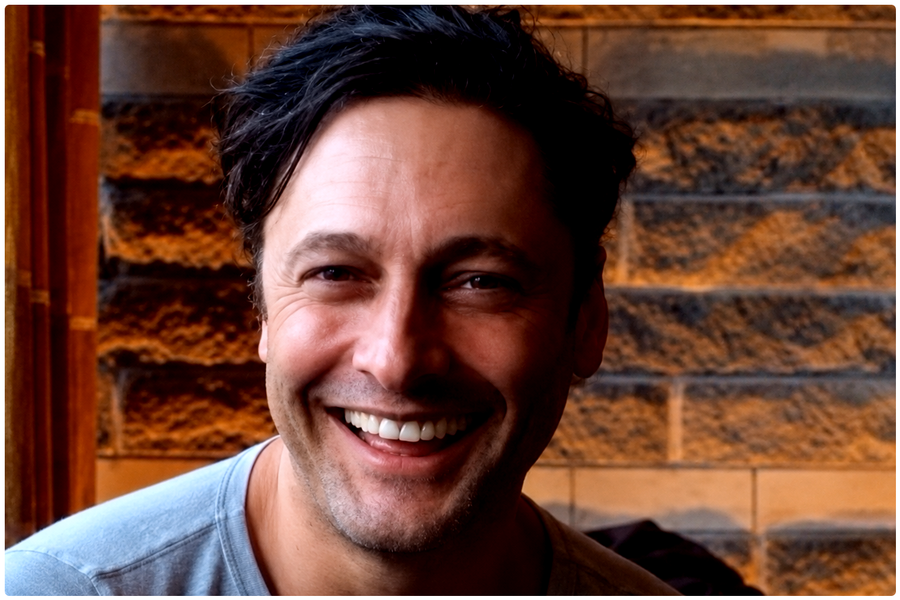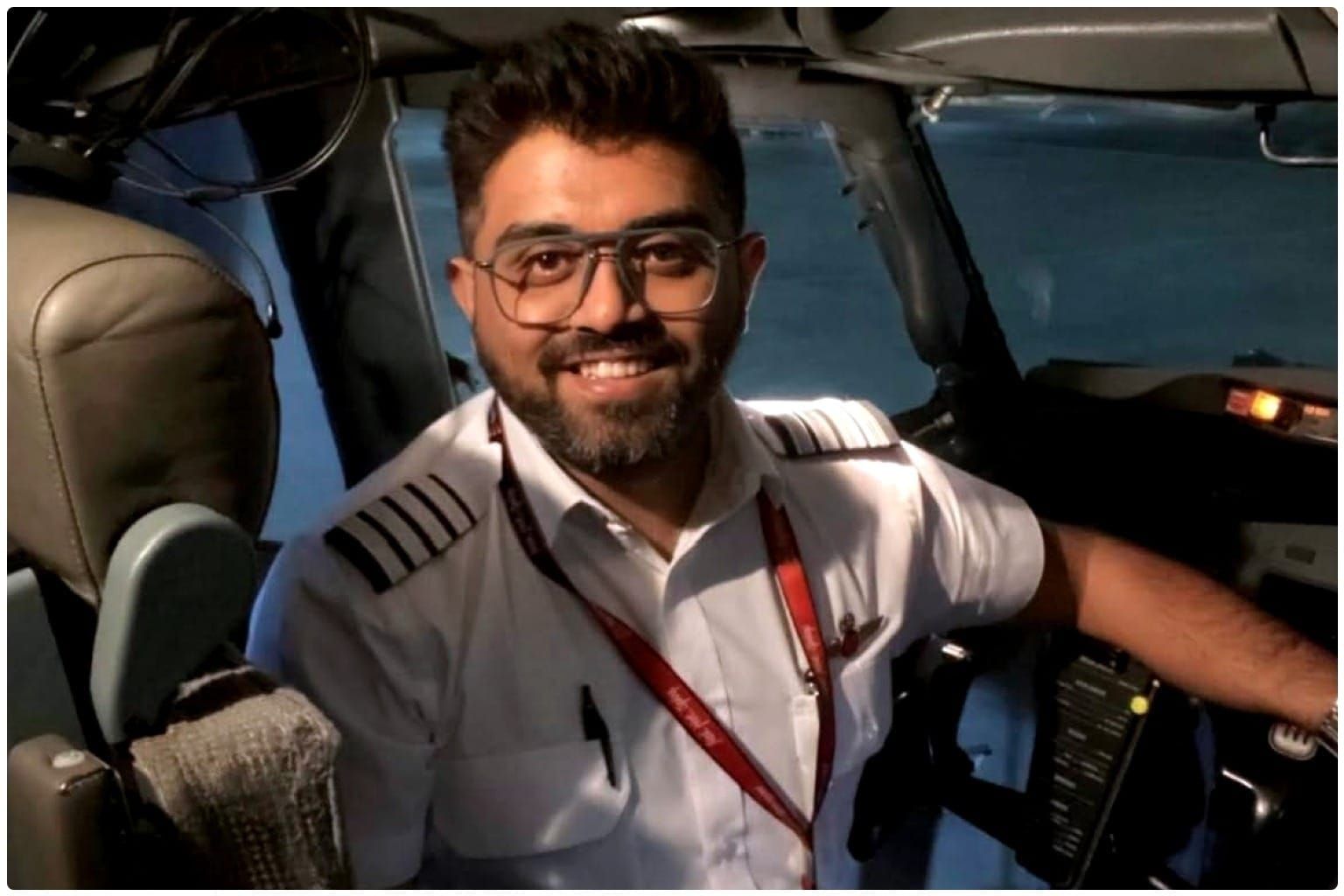
Indian pilot Captain Smit Machchhar is being hailed for helping prevent a potential mass-casualty disaster aboard Flydubai flight FZ1073 after he was allegedly stabbed by his co-pilot during a violent struggle inside the cockpit.
The Boeing 737 Max 8 was carrying 174 passengers from Dubai to Tel Aviv on Wednesday when the confrontation began more than two hours into the flight. Most of those aboard were Israeli citizens.
The aircraft was cruising at approximately 34,000 feet when it suddenly plunged towards the ground. Flight-tracking data showed the jet losing more than 14,000 feet in about 30 seconds, an extreme descent that left passengers fearing the aircraft was about to crash.
The plane briefly crossed into Jordanian airspace before turning back towards Saudi Arabia. Inside the locked cockpit, Israeli officials allege that the co-pilot, identified as an Omani national, had attacked Machchhar with a knife and was attempting to bring down the aircraft.
What happened next has emerged through flight data, statements from the airline, verified footage and accounts from passengers and officials.
Machchhar reportedly fought back despite sustaining serious injuries. As the struggle continued and the aircraft hurtled downwards, he managed to activate the mechanism that released the cockpit door. The decision gave the passengers and crew outside what may have been their only opportunity to reach the controls.
They entered the cockpit to find Machchhar bleeding on the floor and the co-pilot close to the aircraft’s control panel. Several passengers rushed at the alleged attacker and managed to overpower and restrain him. Footage recorded after the confrontation showed two bloodied men lying on the cabin floor as passengers guarded the cockpit entrance.
The release of the door was the decisive moment. Modern flight decks are deliberately designed to remain locked during flight, particularly following the September 11 attacks. Had Machchhar lost consciousness before activating the release, those outside could have remained trapped in the cabin while the aircraft continued its uncontrolled descent.
The jet first transmitted emergency code 7700, indicating a general emergency. Minutes later, its transponder switched to 7500, the international code for unlawful interference or a possible hijacking.
That signal immediately raised fears that an aircraft filled largely with Israeli passengers had been seized and could be heading towards Israeli territory. Fighter aircraft were reportedly prepared for a possible interception as security officials attempted to establish who was controlling the plane and whether it posed a threat on the ground.
Two additional Flydubai pilots were travelling aboard the aircraft as part of a reserve crew. Once the suspected attacker had been restrained and the cockpit secured, they took control, stabilised the aircraft and diverted it towards Prince Sultan bin Abdulaziz International Airport in Tabuk, northwestern Saudi Arabia.
The aircraft landed safely, and no passenger was reported killed or seriously injured. Both Machchhar and the co-pilot were taken to hospital. The Indian Embassy in Riyadh confirmed that Machchhar was in stable condition and said it was monitoring his treatment.
A passenger with medical experience reportedly provided immediate assistance to the wounded captain before the aircraft landed. Other passengers guarded the cockpit and helped the reserve crew maintain control of the cabin.
Dear people of India,
— Loay Alshareef لؤي الشريف (@lalshareef) September 30, 2026
Regardless of your faith or beliefs, you are my brothers and sisters in humanity, and I have love and respect for each and every one of you.
What a great nation you are.
I had the honor of becoming friends with your former ambassador to the UAE, Sunjay… pic.twitter.com/nFpMdMxh5o
The safe landing was therefore the result of several people acting during an extraordinary emergency. Passengers subdued the suspected attacker, the cabin crew helped secure the aircraft, and the reserve pilots completed the diversion. However, none of those interventions may have been possible without Machchhar’s resistance and his decision to release the cockpit door while seriously wounded.
Israeli Prime Minister Benjamin Netanyahu praised the Indian captain, saying he fought back, opened the cockpit and enabled passengers and crew to overpower the attacker. Israel’s foreign ministry similarly credited the combined actions of Machchhar, the Israeli passengers and the Emirati crew with preventing a catastrophe.
My salute to the Indian pilot Captain Smit Machchhar for his extraordinary bravery.
— Benjamin Netanyahu - בנימין נתניהו (@netanyahu) September 30, 2026
Despite being stabbed and seriously injured, he fought back, resisted, opened the cockpit door, and enabled passengers and crew to overpower the attacker — preventing a catastrophic mid-air…
Prime Minister Narendra Modi also called Machchhar a “hero” and said India was proud of his courage. Modi said that despite facing the gravest danger and suffering serious injuries, the captain displayed immense courage and an unwavering determination to protect the lives of others.
“His valour helped save hundreds of lives and avert a great tragedy,” Modi said, while wishing Machchhar a speedy recovery, renewed strength and good health.
Captain Smit Machchhar is a HERO.
— Narendra Modi (@narendramodi) October 1, 2026
In the face of the gravest danger and despite being seriously injured, he showed immense courage and an unwavering resolve to protect the lives of others.
His valour helped save hundreds of lives and avert a great tragedy.
India is proud of…
Machchhar is an experienced Boeing 737 pilot from Mumbai, with more than 13 years of commercial aviation experience and close to 10000 flying hours. He spent about 11 years with SpiceJet, where he served as a senior commander before joining Flydubai in June 2022.
His experience would have included extensive training in aircraft emergencies, cockpit coordination and loss-of-control situations. No conventional aviation exercise, however, can fully prepare a captain to be attacked by the pilot seated beside him.
The carrier has temporarily suspended flights to and from Israel in coordination with the relevant authorities. Investigators are examining how the co-pilot was allegedly able to bring a weapon into the cockpit, what triggered the attack and whether the confrontation was planned in advance.
Israeli officials have described the episode as a suspected attempt to deliberately crash the aircraft. Flydubai has maintained that the underlying reasons remain unknown. Until Saudi and Emirati investigators release their findings, the terrorism allegation remains a preliminary assessment.