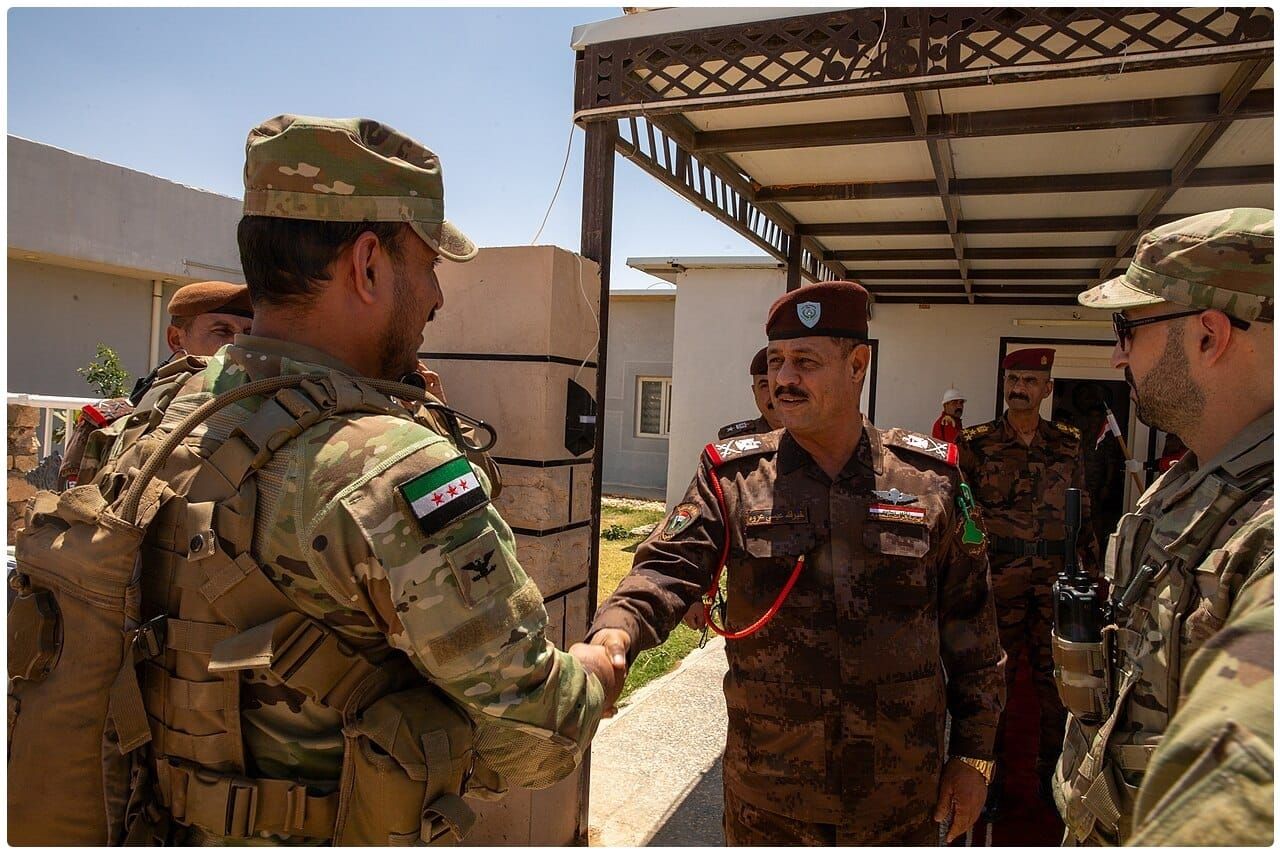
Syria is considering providing military assistance to Saudi Arabia as Houthi attacks intensify across the kingdom and fighting expands around Yemen’s strategically important Red Sea coast.
The options reportedly being examined range from defensive assistance inside Saudi Arabia to the deployment of Syrian soldiers alongside forces belonging to Yemen’s internationally recognised government. No final decision has been announced, and Damascus has denied that it has agreed to enter the Yemen war.
A Syrian diplomat said the country stood firmly with Saudi Arabia against Houthi attacks but stressed that the government’s immediate priority remained Syria’s recovery after 14 years of civil war. Any military cooperation or exchange of expertise requested by Riyadh would take place through official channels and existing bilateral agreements, the diplomat added.
The distinction leaves open the possibility of limited assistance while distancing Damascus from reports that Syrian forces are already preparing to fight inside Yemen.
Discussions have emerged days after Syrian President Ahmed al-Sharaa travelled to Riyadh for talks with Crown Prince Mohammed bin Salman. Their publicly disclosed agenda covered reconstruction, Saudi investment, bilateral cooperation and regional developments. Neither government officially announced an agreement involving Syrian troops.
Saudi Arabia is seeking additional support after Houthi missile and drone attacks struck airports and civilian infrastructure. Three people were killed in attacks on King Khalid International Airport in Riyadh and Abha airport, while dozens were injured.
The escalation has already led Saudi Arabia to activate consultations under its defence agreement with Pakistan and Türkiye. Türkiye is providing technical and defensive support, including intelligence, logistical assistance, drone operators and air-defence capabilities. Pakistan has also pledged assistance, although operational details remain limited.
Syria is not a member of that agreement and would therefore participate through a separate arrangement with Riyadh.
The most consequential option would involve Syrian ground forces supporting Saudi-backed Yemeni units. Reports have suggested a possible deployment numbering between 10,000 and 20,000 soldiers, but neither Damascus nor Riyadh has confirmed those figures.
Such a mission would be difficult for Syria. Al-Sharaa’s government is still attempting to combine former opposition factions, Kurdish-led forces and other armed formations into a unified national military. Thousands of Islamic State detainees also remain inside the country, while rebuilding state institutions and maintaining domestic security require substantial personnel.
Sending troops abroad before that process is complete could strain a military still recovering from years of internal conflict.
Saudi Arabia’s request nevertheless reflects the seriousness of the renewed Yemen campaign. Riyadh has been supporting a counteroffensive that recovered Mocha and positions along the Bab el-Mandeb coast after Houthi advances threatened one of the world’s most important shipping routes.
Bab el-Mandeb connects the Red Sea with the Gulf of Aden and forms part of the principal maritime corridor between Asia and Europe. Its importance has increased because disruption around the Strait of Hormuz has left Saudi Arabia and other Gulf exporters increasingly dependent on Red Sea routes.
The renewed fighting has also displaced more than 200,000 people, adding to Yemen’s prolonged humanitarian crisis. Saudi air operations have expanded across Houthi-held territory, while missiles and drones have targeted Saudi cities, airports and energy infrastructure.
For Damascus, the decision carries strategic weight. Saudi Arabia has become one of al-Sharaa’s most important foreign supporters, helping Syria rebuild diplomatic ties and attracting billions of dollars in proposed investment after the fall of Bashar al-Assad.
Supporting Riyadh could strengthen that relationship and confirm Syria’s movement away from the Iranian regional network that supported Assad. A major combat deployment, however, would risk drawing a recovering country into another long and unpredictable war.
For now, Syria has promised solidarity rather than soldiers. Whether that position changes will depend on the scale of Saudi Arabia’s request, the course of the Yemeni offensive and how far Damascus is prepared to turn its new regional partnerships into military commitments.