
Science
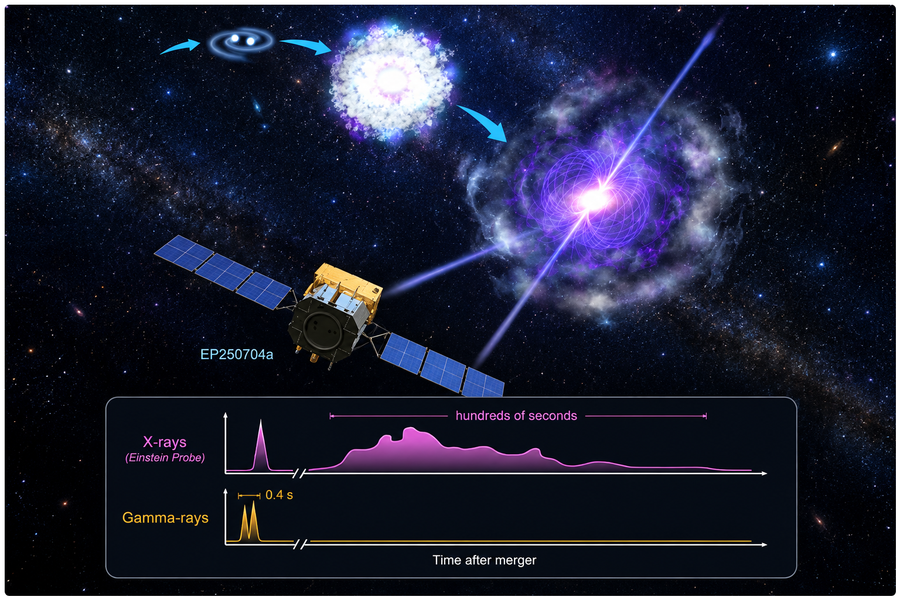
What Happens After Two Neutron Stars Collide? A Telescope Has Found a New Clue
A cosmic explosion lasted less than half a second in gamma rays, but China's Einstein Probe detected nearly ten minutes of hidden X-ray activity. The finding offers new clues about what happens after neutron stars collide and what may survive the merger.
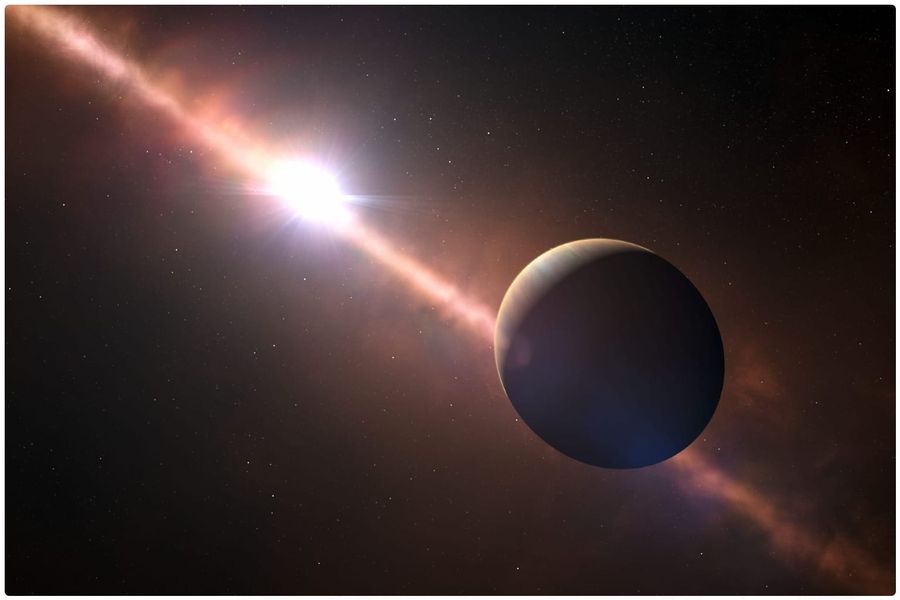
Scientists Detect Radio Emissions Directly From an Exoplanet
Astronomers have traced recurring radio bursts directly to Beta Pictoris b, a young gas giant 63 light-years away. The natural emissions reveal an extraordinarily powerful magnetic field and could create a new method for examining the interiors and atmospheres of distant worlds.
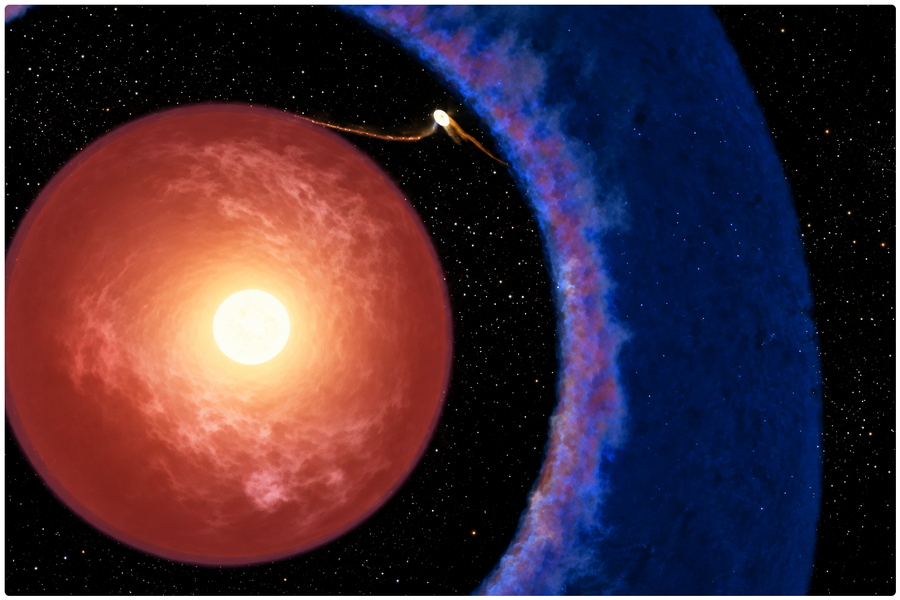
Astronomers Confirm a Newborn Planet Less Than a Million Years Old
Astronomers have confirmed Elias 2-24 b as the youngest known planet ever directly observed. Less than a million years old and still gathering material inside its birth disk, the distant gas giant offers a rare opportunity to watch planetary formation at an exceptionally early stage.

Scientists Identify First New Wild Cat Species in More Than a Century
Scientists have identified Leopardus tilcayo, a tiny spotted cat from Bolivia’s Yungas cloud forest, as the first newly described living wild feline species in more than a century. Genetic analysis shows it split from its relatives around 1.4 million years ago.