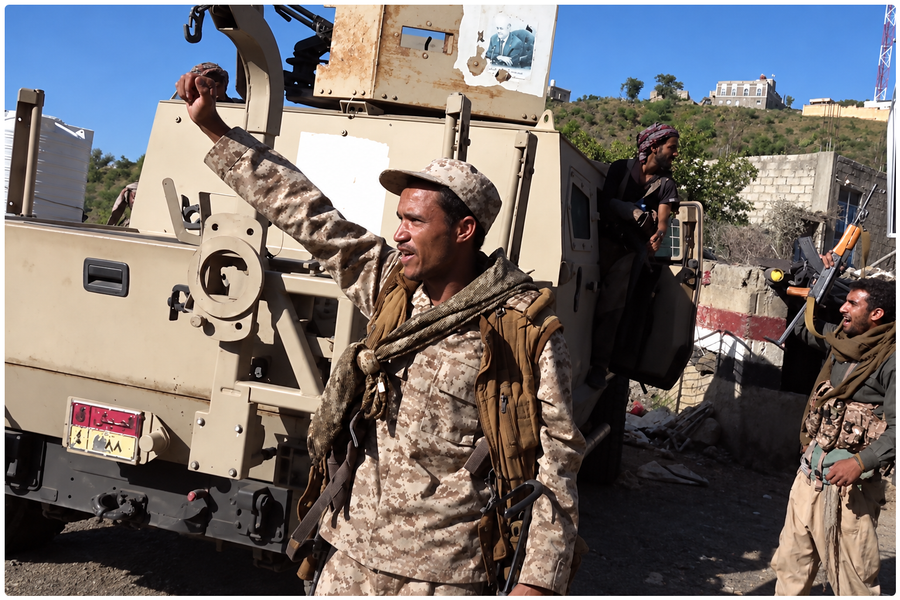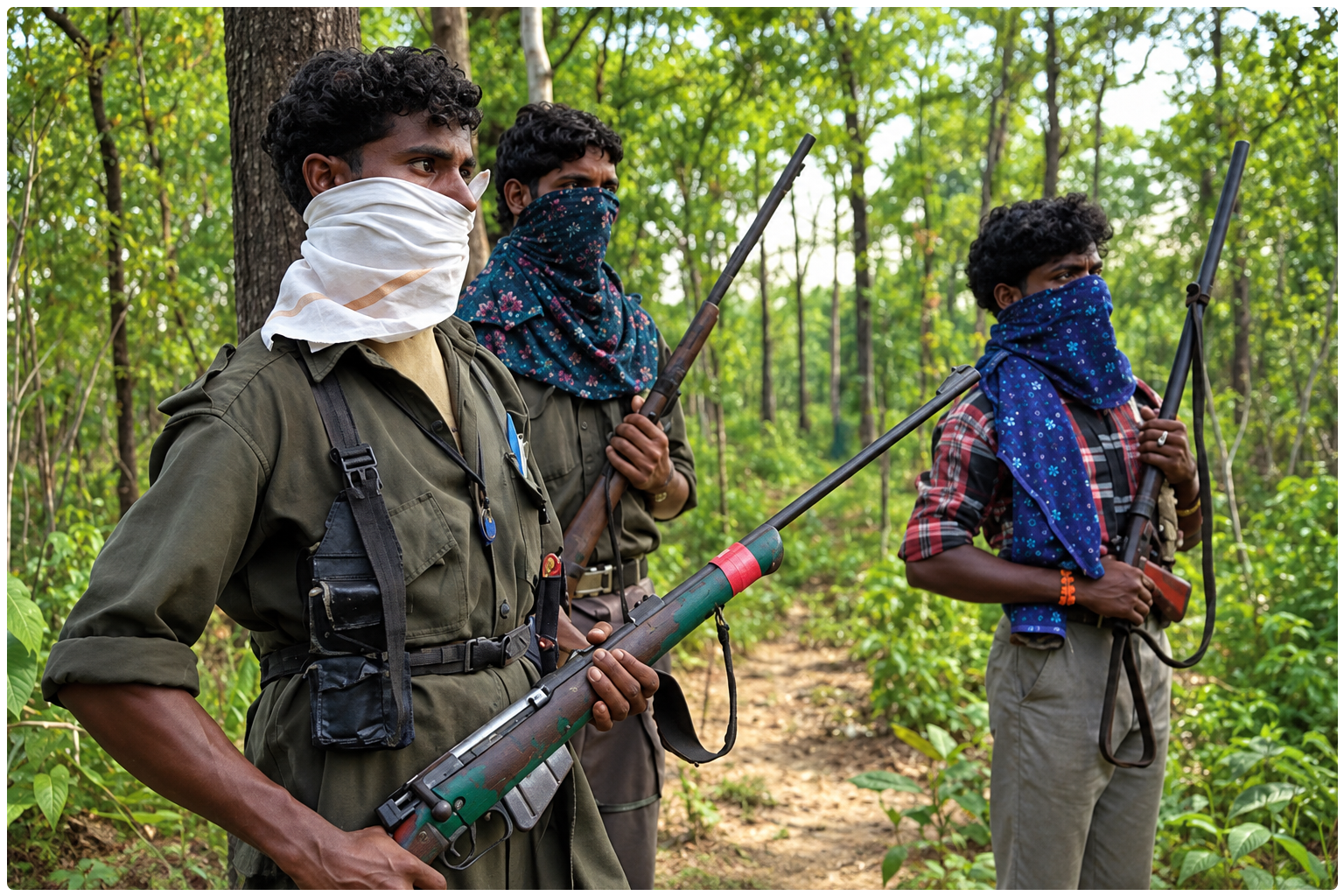
A special National Investigation Agency court in Chhattisgarh has sentenced 10 Maoist convicts to death for their role in the 2013 Jhiram Ghati attack, one of the deadliest political attacks carried out by the CPI (Maoist) in India.
Special Judge Ajay Singh Rajput of the NIA court in Jagdalpur pronounced the sentence on September 16, nearly 13 years after Maoists ambushed a Congress Parivartan Yatra convoy in Bastar. The 10 had been convicted on September 5 under provisions of the Indian Penal Code, the Unlawful Activities (Prevention) Act, the Arms Act and the Explosive Substances Act. The death penalty was awarded for criminal conspiracy and murder.
The convicts are Pramila Modiyam, Chaitu Lekam alias Munna, Sumita alias Punem Modiyam, Mukka Mandvi, Kosa Kavasi alias Kosaram, Aayata Markam, Madkami Deva, Joga Madkami, Banjami Sanna alias Chamru and Mahadev Nag. One other accused died during the trial, while 28 people named in the chargesheet remain wanted. The defence has said it plans to challenge the verdict before the High Court within the statutory appeal period.
The attack took place on May 25, 2013, when more than 100 Maoists targeted a convoy carrying senior Congress leaders through Jhiram Ghati in the Darbha area of Bastar. NIA records say 27 people were killed and 38 injured. Among those killed were then Chhattisgarh Congress president Nand Kumar Patel, his son Dinesh Patel, former leader of opposition Mahendra Karma and former MLA Uday Mudliyar. Former Union minister Vidya Charan Shukla was critically wounded and later died of his injuries.
The attack was particularly significant because it wiped out a large part of the Congress leadership in Chhattisgarh ahead of the state Assembly elections. Mahendra Karma, one of the principal targets, had been closely associated with Salwa Judum, the controversial anti-Maoist movement launched in Bastar.
The trial lasted more than a decade and involved at least 294 hearings, according to The Indian Express. More than 100 prosecution witnesses were examined and documentary evidence was placed before the court. The NIA took over the investigation from the Chhattisgarh Police two days after the attack and later filed multiple chargesheets.
The verdict, however, has not ended the controversy around the case. Families of some convicts have alleged wrongful implication and said those actually involved had later surrendered. Mahendra Karma’s daughter Tulika Karma has also questioned why several senior Maoists who were named in the investigation but later surrendered have not yet faced trial. The Chhattisgarh government has said surrender does not automatically close criminal cases and that prosecution depends on the applicable rehabilitation and legal procedures.
The death sentences will still be subject to appeal and judicial confirmation. But the Jagdalpur court’s ruling marks the most consequential judicial outcome so far in a case that has remained politically and emotionally charged in Chhattisgarh for more than a decade.