Donald Trump is putting off a decision on another major American offensive against Iran until the new year, resisting calls for immediate military action from Israel while keeping US forces prepared for renewed confrontation.
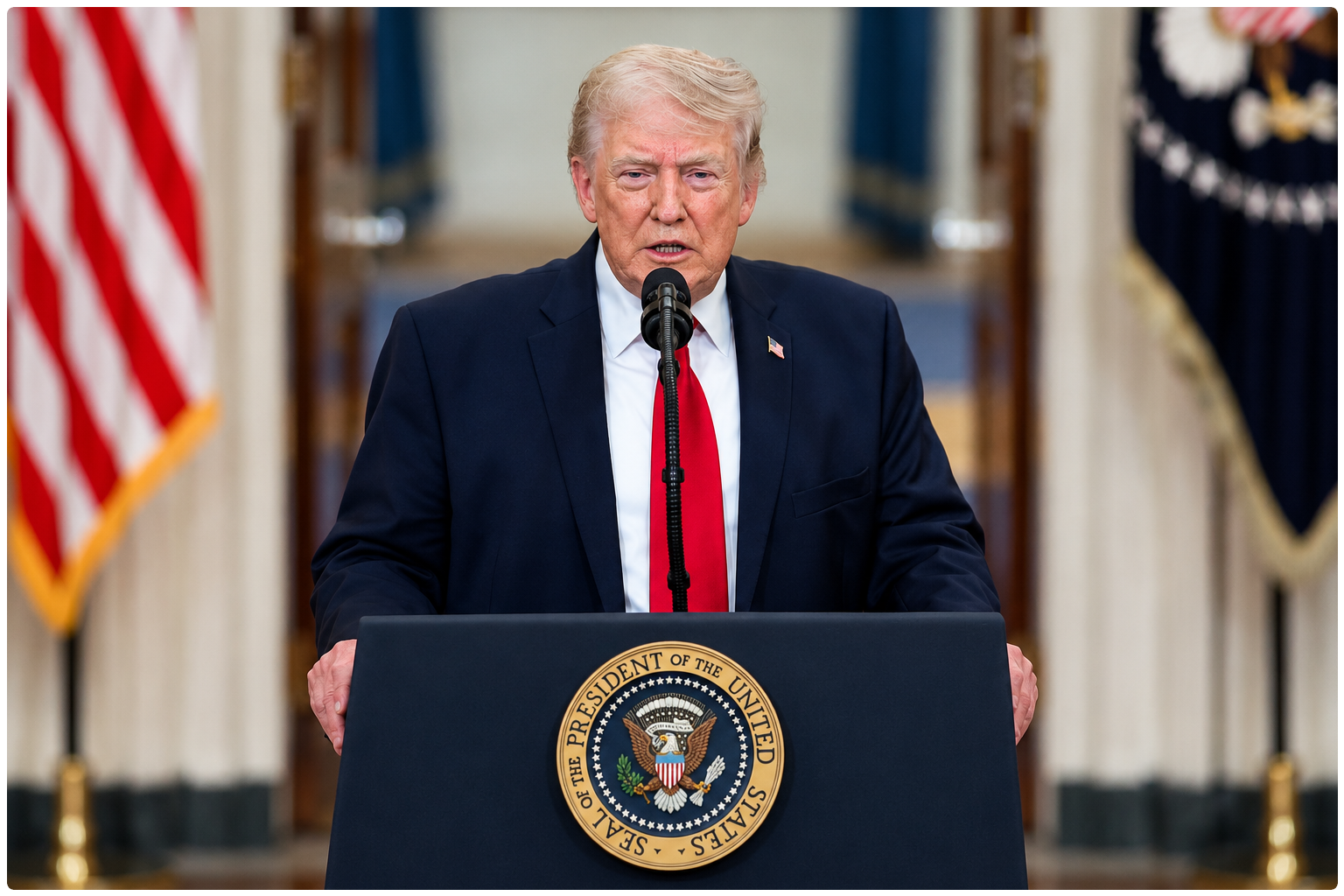
Speaking to reporters aboard Air Force One on Thursday, November 19, the president said he would discuss further strikes after the beginning of 2027. “We've got time,” he said, following similar remarks during his visit to China, where he indicated that Washington was in no hurry to decide its next move.
The change in tone follows weeks of conflicting signals from the White House. Before the November 3 congressional elections, Trump had suggested that Iran would face a decisive choice between an agreement and another round of American attacks. Yet the promised post-election decision has not materialised, and the administration has increasingly emphasised sanctions and its naval blockade rather than another extensive bombing campaign.
During an interview in Shenzhen, covered in the White House's November 19 release, Trump again presented Iran's weakened military position as an advantage for Washington. He maintained that Tehran wanted an agreement, although negotiations over nuclear restrictions, sanctions and access to the Strait of Hormuz remain unresolved.
Israel, however, has been urging a more forceful response. According to accounts of discussions between American and Israeli officials, Prime Minister Benjamin Netanyahu's government has warned Washington about Iran's efforts to rebuild its missile and drone capabilities and has pressed for renewed strikes.
Those concerns have not produced an agreement on another joint operation. Trump has continued examining military options, but neither an attack order nor a timetable for one has been publicly confirmed.
The hesitation also reflects pressure from Gulf governments, which have sought to prevent another round of fighting from spreading across the region. Saudi Arabia, Qatar and other regional partners have favoured diplomatic engagement, concerned that renewed American strikes could trigger retaliation against their territory, energy infrastructure and commercial shipping.
Washington's economic campaign nevertheless remains in place. Secretary of State Marco Rubio has argued that sanctions and the blockade are already weakening Iran, reducing the immediate need for a larger military offensive.
Trump had previously indicated that new strikes might be unnecessary if negotiations progressed. His latest remarks extend that hesitation without offering Tehran relief from American pressure.
Domestic opposition to the war has grown since Republicans lost both chambers of Congress in the midterm elections. On Thursday, the US Senate rejected a resolution seeking to end American military involvement in hostilities with Iran by 51 votes to 48, leaving Trump's military authority unaffected by that vote.
The president's reluctance to order another offensive has not brought the conflict to an end. American forces remain active in the region, the blockade continues, and Trump has made no commitment to rule out further attacks before January if circumstances change.