Saudi Arabia has asked the United States for military assistance against Yemen's Houthis as the Iran-aligned group rapidly expands its control along the Red Sea coast and threatens one of the kingdom's most important oil-export routes.
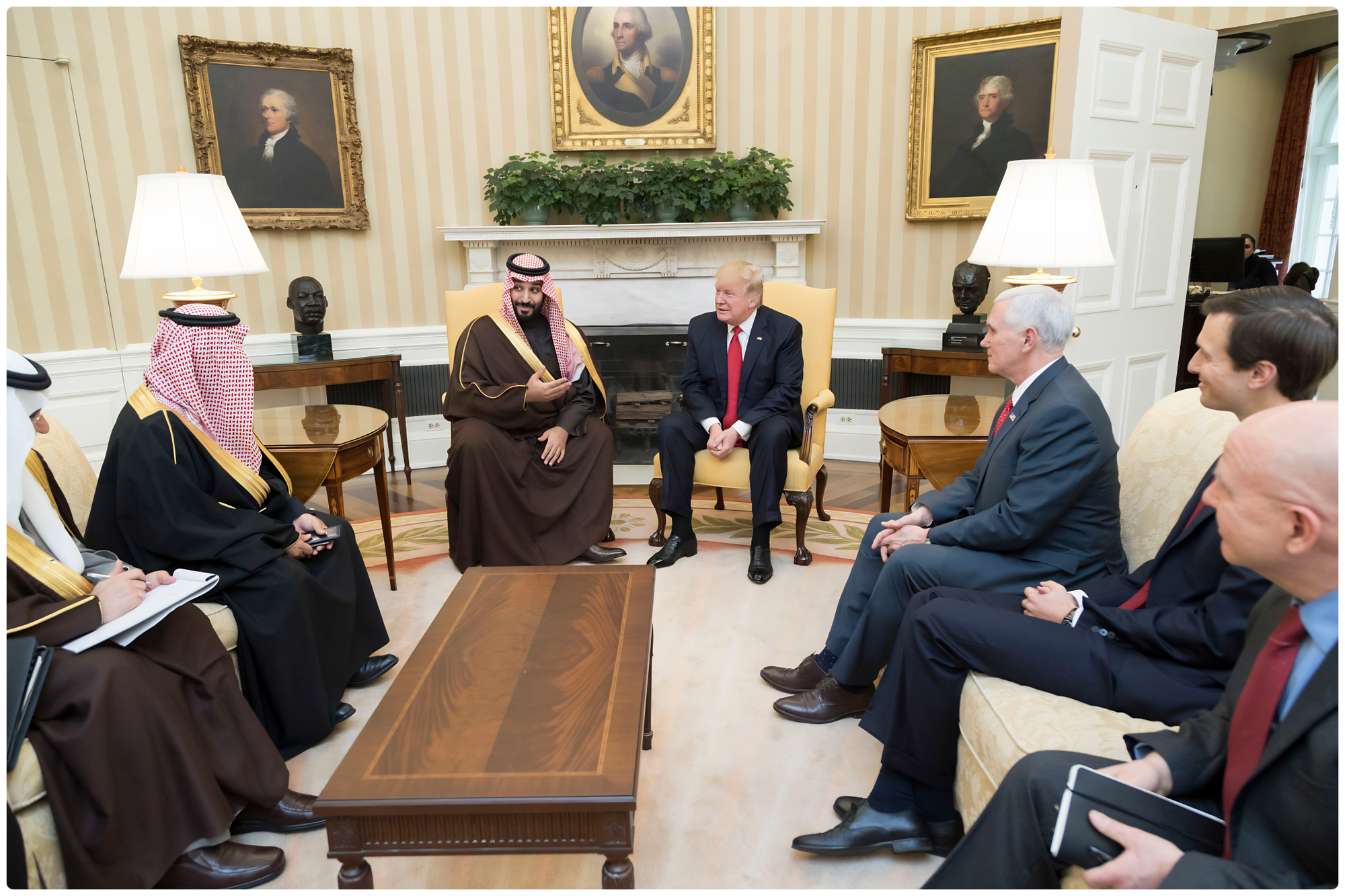
Saudi Crown Prince Mohammed bin Salman spoke with US President Donald Trump at least twice on Thursday and sought greater American military involvement against the Houthis, according to people familiar with the discussions. Trump has so far declined to order direct US strikes, but Washington has offered Riyadh intelligence sharing and targeting assistance.
The request marks a significant change in Saudi Arabia's position.
As recently as July, Riyadh had told Washington that it could handle the Houthis itself and urged the United States not to widen the conflict. Saudi officials instead wanted Washington to increase economic pressure on Iran. But the situation in Yemen has changed dramatically in recent days.
Houthi forces have swept south along Yemen's Red Sea coast, capturing Mocha before advancing towards Dhubab and reaching Perim Island, also known as Mayun, inside the Bab el-Mandeb Strait. The gains place the group in a much stronger position to threaten vessels moving between the Red Sea and Gulf of Aden.
That is particularly dangerous for Saudi Arabia because the Strait of Hormuz, on the other side of the Arabian Peninsula, has already been severely disrupted by the wider war involving Iran and the United States.
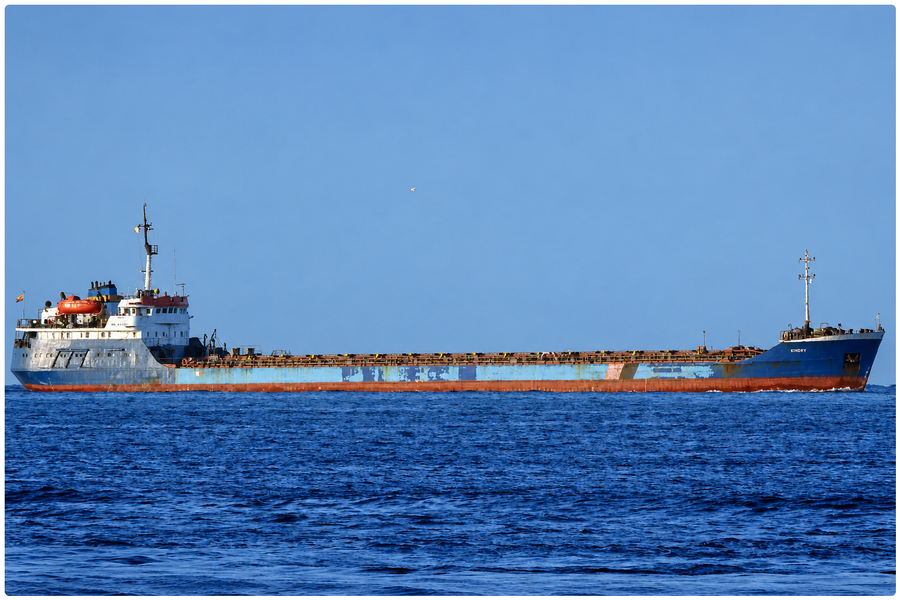
Saudi Arabia had relied increasingly on its East-West pipeline to move crude from oilfields in the east across the country to Yanbu on the Red Sea, allowing exports to bypass Hormuz. But ships carrying that oil towards Asian markets must eventually pass through Bab el-Mandeb.
Now that alternative is also under pressure.
The problem became even more serious on Saturday when Saudi Arabia temporarily shut its East-West pipeline after a drone attack. Riyadh and Baghdad said the drone originated in Iraq, where Iran-backed militias operate. The combination of the pipeline attack and the Houthi advance has exposed just how vulnerable Saudi export infrastructure has become.
Washington, however, appears reluctant to open another military front.
The Trump administration is already heavily focused on its war with Iran and securing the Strait of Hormuz. A senior US official told Reuters that Washington's priority was protecting freedom of navigation in the Red Sea while allowing regional partners to take the lead in managing security threats. US Central Command chief Admiral Brad Cooper travelled to Saudi Arabia for talks as the crisis intensified.
The United States is therefore helping without committing itself directly to another bombing campaign in Yemen.
For Mohammed bin Salman, the situation is uncomfortable. Saudi Arabia spent years fighting the Houthis after intervening in Yemen's civil war in 2015. The conflict failed to defeat the movement, cost the kingdom heavily and exposed Saudi cities and oil installations to repeated missile and drone attacks. A truce beginning in 2022 largely stopped direct Saudi-Houthi fighting for several years.
That relative calm is now collapsing.
The Houthis have again attacked Saudi territory and energy infrastructure, while their territorial advance has brought them to Bab el-Mandeb. Saudi and Yemeni government forces have responded with strikes and attempts to halt the offensive.
The question is whether Washington's intelligence and targeting assistance will be enough.
Saudi Arabia initially believed it could contain the renewed Houthi threat without direct American intervention. Within weeks, that confidence appears to have changed.