Britain has ordered universities and researchers to cut ties with a Chinese institute accused of using academic partnerships to obtain sensitive knowledge in artificial intelligence, cybersecurity and covert communications.
MI5 issued an unusual public espionage alert naming the China General Technology Research Institute, or CGTRI, as an organisation closely connected to China’s Ministry of State Security. British authorities allege that the institute has covertly financed research intended to strengthen the capabilities of Chinese intelligence agencies.
More than 100 academics affiliated with British universities are believed to have participated in projects funded by or connected to the institute. The areas studied reportedly included artificial intelligence, cybersecurity, covert communication systems and steganography, a technique for hiding information inside apparently ordinary files, images or messages.
The warning does not accuse all the academics involved of knowingly assisting Chinese intelligence. British officials acknowledged that many researchers may have viewed the projects as legitimate international collaborations and may not have known about the institute’s alleged relationship with China’s principal civilian intelligence service.
However, the government has warned that researchers who continue working with the organisation after the alert could face investigation under the National Security Act 2023. The legislation makes it a criminal offence to materially assist a foreign intelligence service in activities connected to the United Kingdom.
Security Minister Dan Jarvis contacted university leaders and instructed them to identify and terminate relevant partnerships. Universities were also asked to support academics in withdrawing from existing projects and strengthen checks on the sources and ultimate beneficiaries of overseas research funding.
The alert represents an escalation in Britain’s efforts to protect research with potential military, surveillance or intelligence applications. Universities routinely collaborate across borders, but work involving artificial intelligence, quantum technology, advanced communications and cybersecurity can have both civilian and national-security uses.
This makes academic research an attractive target for intelligence services. Instead of stealing completed technology from a government facility or defence company, a foreign organisation can fund early-stage university work, establish relationships with specialists and gain access to knowledge before its strategic value becomes widely recognised.
Britain has previously warned that researchers can be approached through joint projects, conferences, grants, consultancy work and apparently legitimate professional opportunities. MI5 has also accused Chinese intelligence officers of using fabricated online identities and recruitment advertisements to approach people with access to sensitive information.
The latest warning is likely to intensify scrutiny of UK universities’ financial relationships with China. British institutions benefit from Chinese students, joint laboratories and research grants at a time when many universities are facing severe financial pressure. University leaders argue that international collaboration remains essential to scientific progress but accept that sensitive partnerships require stronger safeguards.
The Russell Group, which represents several leading research universities, said its members were committed to protecting national security and would work with the government to assess the warning. It also stressed that legitimate international research should continue where risks can be properly managed.
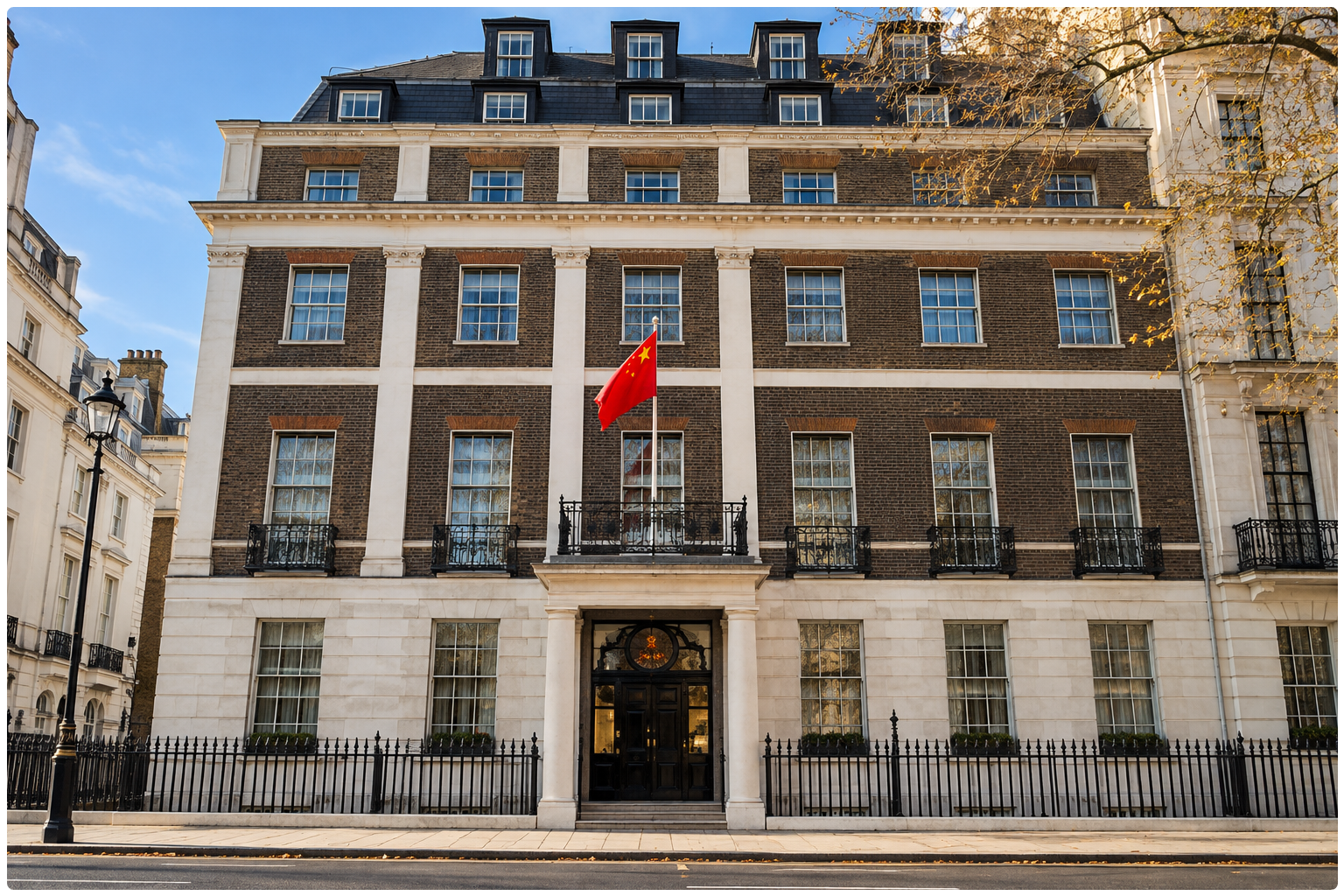
China has rejected the allegations. Its embassy in London described the claims as groundless and malicious, accusing Britain of politicising normal academic cooperation and promoting a false narrative about a Chinese security threat.
The dispute places additional strain on Britain’s attempt to maintain commercial and diplomatic engagement with Beijing while treating China as a major intelligence challenge. The government has resisted complete economic separation, but it is increasingly drawing firmer boundaries around technology, infrastructure and university research.
No academics were publicly identified in the alert, and no criminal charges arising from the disclosed projects had been announced. The immediate purpose of the warning is therefore preventive: to end the alleged access route, notify researchers of the risks and remove any defence that future participants were unaware of the institute’s suspected role.