British police have released five men arrested over a suspected terrorist plot near RAF Fairford, prompting questions over why individuals detained on terrorism and explosives suspicions were allowed to leave custody while the investigation remains active.
The suspects, all British nationals from London aged between 23 and 25, were arrested early on Sunday in the Whelford area of Gloucestershire. Police were alerted at approximately 12.45 am after three suspicious white vans were seen travelling towards the airbase.
🚨 HOLY CRAP! UK authorities are RELEASING the 5 suspected terrorists who got close to bombing/attacking RAF Fairford base, which is used by American troops
— Eric Daugherty (@EricLDaugh) September 28, 2026
RELEASED ON BAIL.
This is UTTER MADNESS!
"Following extensive interviews...the 5 men who were arrested are being… pic.twitter.com/ml1XltR0nu
A local farmer reported seeing masked men near the vehicles and contacted emergency services. Armed officers subsequently detained five people, while a bomb-disposal team used specialist equipment to examine the vans.
Around 85 homes were evacuated, and a 400-metre safety cordon was established around the area. Residents were moved to temporary shelters as police and military personnel searched the vehicles and surrounding countryside.
The men were initially detained on suspicion of offences under the Explosives Act. They were later arrested on suspicion of preparing an act of terrorism under Section 5 of the Terrorism Act 2006.
After extensive interviews and inquiries, counter-terrorism officers released all five on police bail on Monday. They have not been charged and remain suspects in the investigation.
Police said the men would be subjected to stringent restrictions on their movement and contact with other people. Releasing a suspect on police bail does not end an investigation or clear that person of suspicion. It generally allows detectives to continue gathering evidence while imposing conditions intended to reduce the risk of interference, flight or further offending.
Authorities have not publicly announced the discovery of a viable explosive device. The absence of charges and the decision to grant bail suggest investigators did not believe they had sufficient grounds to continue holding the men at that stage. However, police have cautioned against drawing conclusions while forensic examinations and intelligence inquiries continue.
The release prompted criticism and confusion, particularly after the seriousness attached to the initial response. US President Donald Trump said he was surprised by the decision and that he would not have released the suspects. He had earlier claimed that the group intended to cause “big damage” and had been under observation, although British authorities have not confirmed the details of that assertion.
US Secretary of State Marco Rubio later said a foreign actor was “clearly” involved but did not publicly provide evidence. British investigators have taken a more cautious position, saying they are examining several possibilities, including whether the men knowingly or unknowingly acted as proxies for another state.
Possible links to Iran, Russia and non-state militant groups are being examined. Iran’s embassy in London has rejected any involvement and condemned attempts to connect Tehran to the arrests.
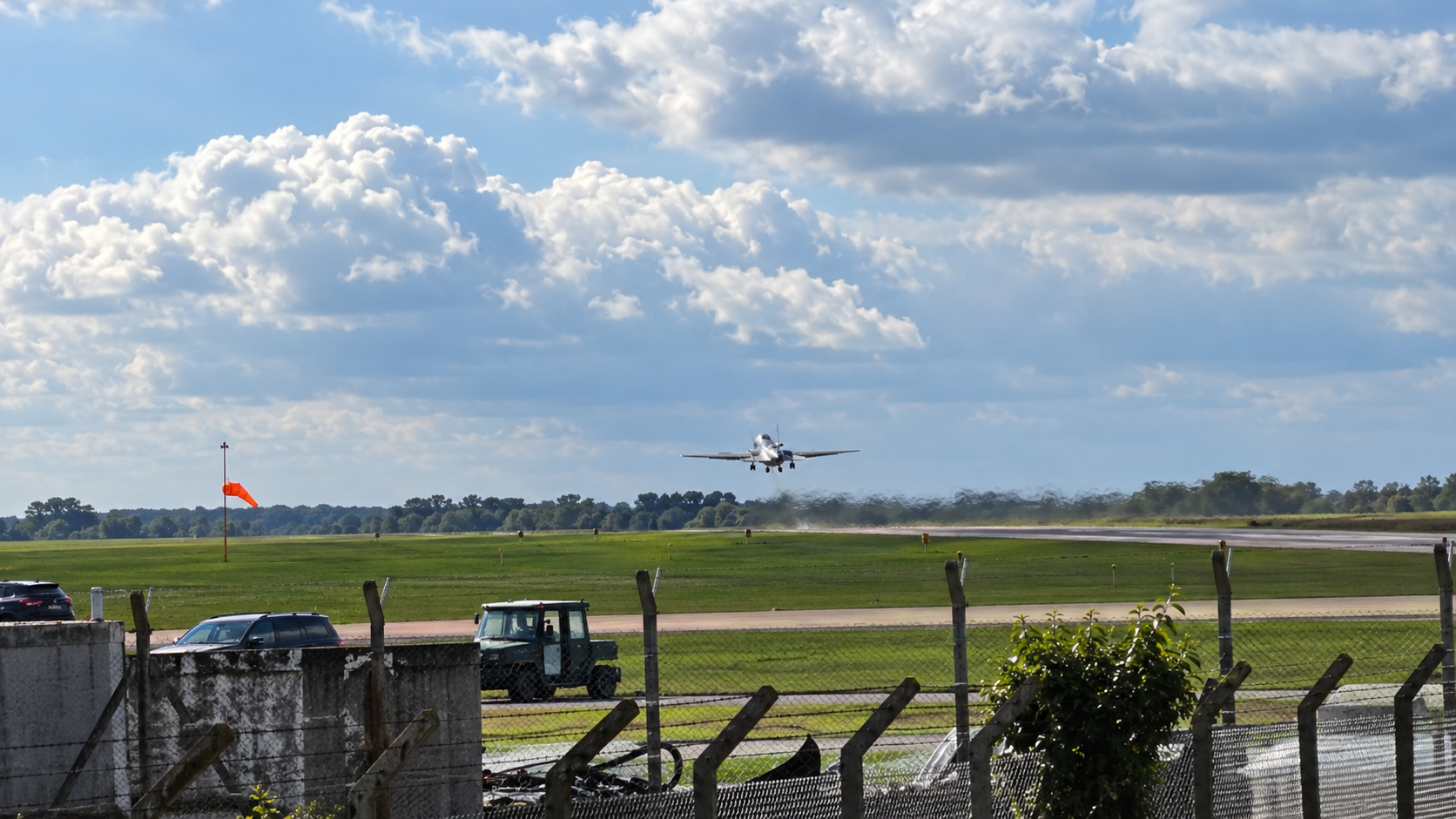
RAF Fairford is owned by Britain but regularly used by the United States Air Force. The base has hosted American bombers during several Middle Eastern conflicts and has been used in operations connected to the current war with Iran, making it a strategically important and politically sensitive site.
Local representatives have also demanded clearer answers about how the vehicles reached the residential area near the base and whether the security services knew about the suspects before the farmer’s emergency call.
For now, the original suspicion of a planned terrorist attack remains an allegation. The five men have neither been charged nor convicted, while police have not disclosed their suspected motive, the evidence recovered from the vehicles or the precise conditions of their bail. The case therefore remains a live counter-terrorism investigation rather than a proven plot.