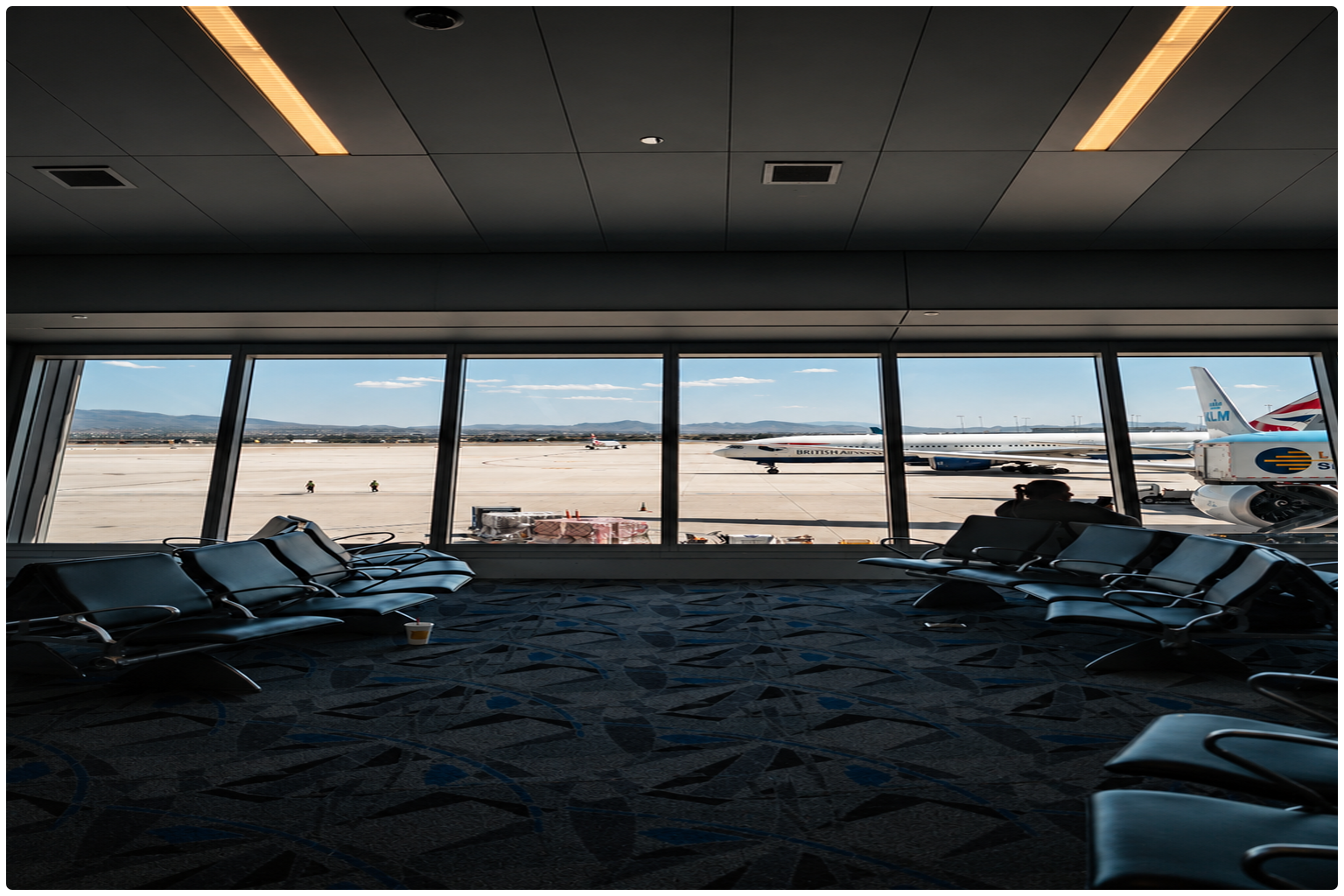
For several hours on Friday, the United States had a peculiar problem: thousands of aircraft were ready to fly, but the system responsible for guiding them through American airspace could no longer be relied upon to communicate consistently with pilots.
The Federal Aviation Administration (FAA) ordered a nationwide halt to departures on November 13 after telecommunications failures disrupted air traffic control facilities across the country. The restriction lasted more than four hours before authorities began allowing flights to resume, leaving passengers stranded, aircraft out of position and airlines facing a difficult weekend of recovery.
Transportation Secretary Sean Duffy said the trouble began around 3:36 pm Eastern Time, when air traffic controllers started receiving inconsistent radar information and experiencing communication problems. The agency issued the ground stop as a safety precaution, directing departing aircraft to remain on the ground.
More than 3,500 aircraft were already airborne when the problems emerged. Controllers continued guiding them towards airports using established safety procedures. The disruption was serious enough to suspend new departures, but officials stressed that communications and radar had not failed completely.
The explanation eventually came down to equipment that had been operating long after newer technology became available.
According to the Transportation Department's account of Friday's emergency briefing, older analogue telecommunications switches and routers became overloaded with data, producing unreliable information for controllers. Recently installed equipment using newer technology did not experience the same failure.
Duffy said the country needed to replace its ageing air traffic control infrastructure rather than continue relying on piecemeal repairs.
The consequences were immediate for travellers. Nearly 5,000 flights were reported cancelled on Friday, with thousands more delayed. Passengers found themselves waiting aboard aircraft, searching for alternative connections or facing overnight stays in cities they had not intended to visit.
Airlines also had to account for crew working-hour limits and aircraft stranded away from their scheduled destinations. Even after the nationwide restriction ended, those problems could not be resolved simply by reopening the airspace.
The FAA's official ground-stop cancellation notice was issued shortly after 8 pm Eastern Time. Duffy confirmed that US airspace had reopened at 8:15 pm, while warning that departures would resume gradually.
The incident has renewed attention on efforts to modernise American aviation infrastructure. Just eight days earlier, the Transportation Department had announced further replacement of decades-old technology used in air traffic control facilities.
The administration says Congress has already approved $12.5 billion towards a broader modernisation programme, but additional funding is needed to complete the work. Duffy argued that the shutdown demonstrated why the remaining investment could not be postponed.
Officials have reported no evidence that the disruption resulted from a cyberattack. The preliminary explanation points instead to overloaded legacy telecommunications equipment.
By Saturday, the nationwide stop had been lifted, but airlines were still working through cancelled flights, misplaced aircraft and disrupted crew schedules. Travellers could check whether their next flight had been cleared to depart. They could not assume that a reopened airport meant their original journey was back on schedule.