Ten months after American forces captured Nicolás Maduro in Caracas, the United States is preparing to train and exchange intelligence with the Venezuelan military that served under his government. A new defence agreement announced on November 18 marks an extraordinary reversal in relations between Washington and Caracas, bringing their armed forces into a partnership after years of hostility.
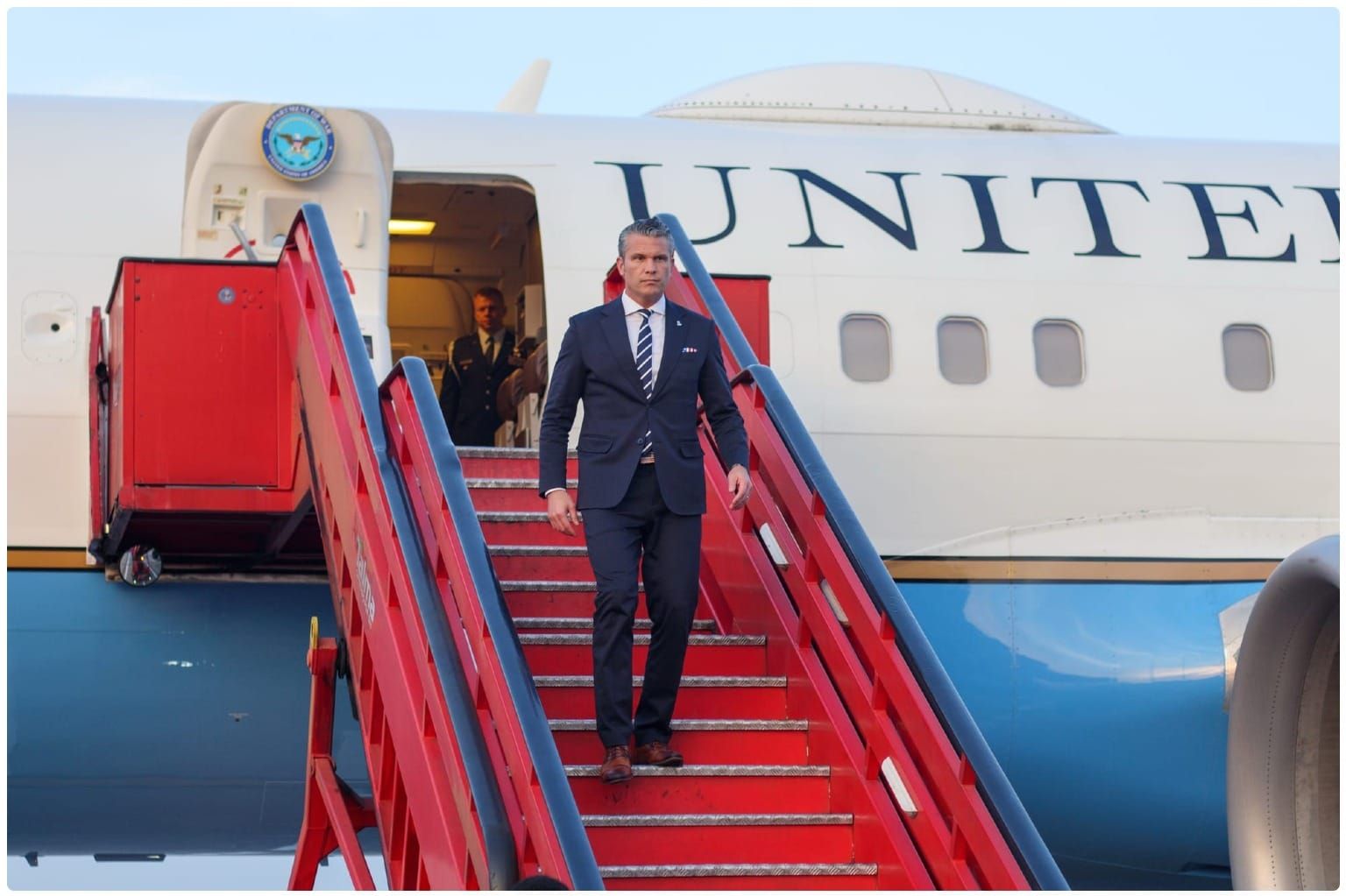
US Defence Secretary Pete Hegseth announced the agreement during an unannounced visit to Venezuela, where he met acting President Delcy Rodríguez at the Miraflores presidential palace. The arrangement covers joint military training, intelligence sharing and cooperation against organised criminal groups, although neither government disclosed the full terms of the agreement.
It is done… Sec of War Pete Hegseth signed a “Military Cooperation” Agreement with Venezuela's defense minister Venezuela FREE. 🇻🇪 Now Watch Cuba. 🇨🇺 https://t.co/mTeIseXJZO
— Monica Anderson (@Moni_caAnderson) November 18, 2026
Rodríguez welcomed the prospect of improved training, access to military technology and stronger operational capabilities for Venezuela's armed forces. Hegseth, meanwhile, presented the partnership as an opportunity to confront drug-trafficking organisations and other security threats operating across the region.
The agreement follows months of negotiations that began after US special forces captured Maduro and his wife, Cilia Flores, on January 3. Both were taken to the United States, where they face federal criminal charges. Maduro has rejected the accusations against him.
Rather than dismantle the existing Venezuelan administration, Washington established working relations with Rodríguez, who had served as Maduro's vice-president. That cooperation gradually extended beyond diplomatic contacts into economic reconstruction, energy policy and regional security.
In February, US Southern Command chief General Francis Donovan met Venezuelan interim authorities in Caracas to discuss stabilisation and shared security priorities. The military relationship developed further in June, when devastating earthquakes prompted Venezuela to request American disaster assistance. US forces subsequently deployed aviation and logistics capabilities to support relief operations.
Political contact followed a similar trajectory. President Donald Trump and Rodríguez met during the United Nations General Assembly in September, extending discussions already underway over Venezuela's oil industry and economic recovery.
The latest agreement introduces a more permanent security dimension to that relationship. Venezuela's military retains considerable influence over the country's institutions, and cooperation with Washington could give its officers access to training and equipment that had been difficult to obtain during years of deteriorating bilateral relations.
For the Trump administration, the arrangement could support operations against trafficking networks operating between Venezuela, Colombia and the Caribbean. It also provides an avenue for closer military engagement in a country whose extensive oil reserves have become central to Washington's economic negotiations.
Yet the scope of the agreement remains largely undisclosed. Neither side has specified troop numbers, military facilities, rules governing joint operations or whether American forces will obtain permanent access to Venezuelan territory.
The agreement also draws Washington closer to Venezuela's military leadership while the country's political transition remains unfinished. Opposition groups continue to press for competitive elections, but Rodríguez's administration has announced no timetable for a presidential vote.
The renewed relationship is expected to bring American training, intelligence sharing and security cooperation into Venezuela's armed forces. Neither government has disclosed the arrangements governing joint operations, access to military facilities or the extent of American personnel involvement.