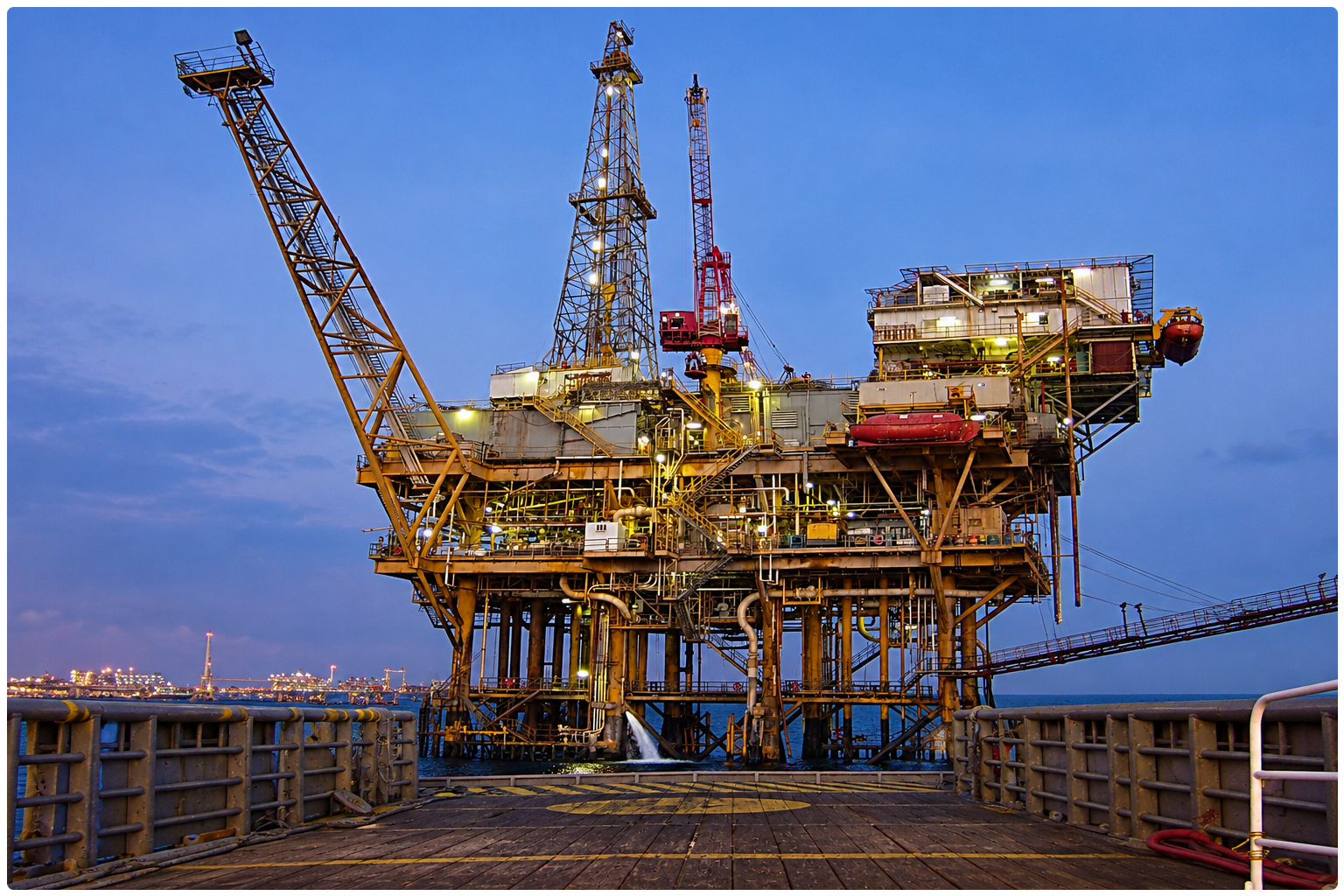
Oil producers in the US Gulf of Mexico have halted approximately 1.3 million barrels of daily output as Hurricane Isaias approaches, taking nearly two-thirds of the region’s offshore oil production out of operation and adding pressure to an already unsettled global energy market.
The shutdown reached 1,282,879 barrels a day, equivalent to 62.89% of current Gulf production, in the 8 October operational update. Natural gas production was also disrupted, with approximately 1.13 billion cubic feet a day, or 57.35% of regional output, temporarily offline. The figures reflect operators’ estimates of production they expected to deliver that day.
Workers had been evacuated from 121 offshore production platforms, while five drilling rigs were evacuated and four mobile rigs moved away from the storm’s projected path. These are precautionary measures intended to protect personnel and prevent oil or gas releases, rather than evidence that the facilities have already sustained damage.
Shell has been evacuating personnel and stopping production at its Mars, Olympus, Ursa, Vito and Appomattox facilities. It also moved non-essential workers from Stones. Chevron’s 8 October update confirmed shutdowns at five of its operated Gulf facilities, while BP halted production and removed personnel from Na Kika and Thunder Horse.
The disruption has expanded rapidly as the storm has strengthened. Approximately a quarter of Gulf oil production had been shut on Wednesday, compared with nearly 63% a day later. Isaias developed into a Category 2 hurricane on Thursday and was forecast to reach the northern Gulf Coast late Friday or early Saturday, threatening coastal communities with damaging winds, heavy rain and storm surge.
For energy markets, the timing is particularly difficult. The hurricane is interrupting American production while conflict and attacks on shipping continue to threaten supplies from the Middle East. Fighting around Yemen has also increased concern over Saudi Arabia’s alternative oil-export route through the Red Sea, which allows some crude to bypass the Strait of Hormuz.
Brent crude settled at $104.28 a barrel on Thursday, up 4.1%, while US West Texas Intermediate rose 3.6% to $91.49. Both benchmarks eased in early Friday trading after President Donald Trump spoke of progress in discussions with Iran, but the offshore closures remained an additional constraint on supply.
The effect on fuel availability will depend on where the hurricane travels and which facilities it reaches. Offshore production, coastal refineries, ports and electricity networks face different risks. A temporary interruption to crude extraction can be reversed relatively quickly if equipment remains intact; damage to pipelines, power supplies or processing facilities can prolong the disruption.
Previous assessments of hurricane impacts on energy infrastructure show why a storm’s path can matter as much as its strength. Passing through a concentrated production area or damaging infrastructure onshore can extend outages beyond the period of dangerous weather offshore.
Operators will inspect facilities once conditions allow workers to return. Undamaged installations can restart after safety checks, while those requiring repairs may remain offline longer. The next operational updates will therefore determine whether the current shutdown becomes a short interruption or a more sustained loss of supply.