America's intelligence agencies are supposed to disagree behind closed doors, challenge one another's conclusions and eventually present policymakers with a coherent assessment. Under Donald Trump, some of those agencies have reportedly stopped working together on the very documents designed to perform that function. Congress, meanwhile, has occasionally been left without intelligence briefings during major American military operations.
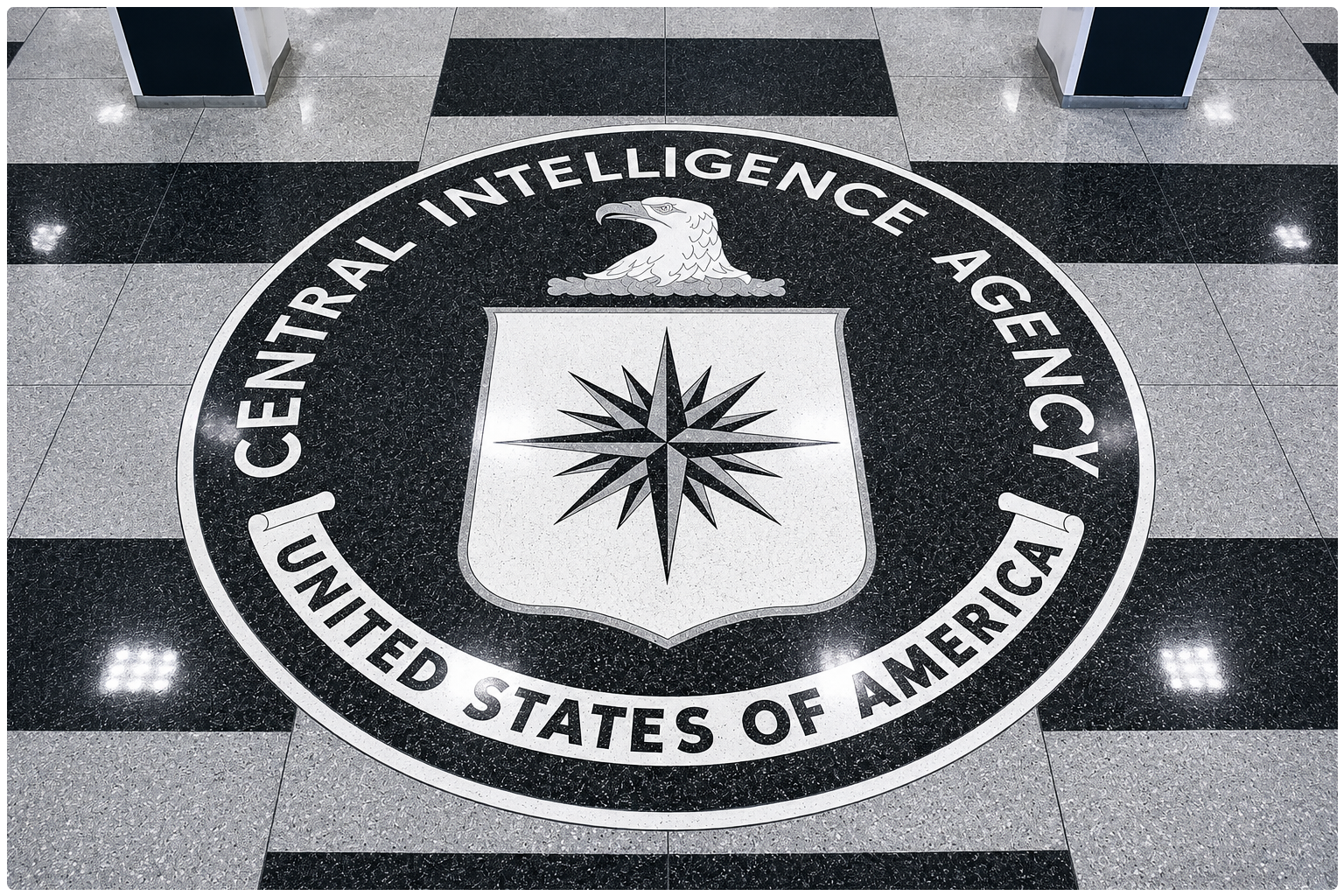
Eight current and former officials and people familiar with the situation have described disruptions that began under former Director of National Intelligence Tulsi Gabbard and have continued despite her departure in June. Their accounts, published on November 3, point to a bitter struggle between the Central Intelligence Agency (CIA) and the Office of the Director of National Intelligence (ODNI), alongside separate disputes involving the FBI and congressional oversight.
The CIA reportedly stopped jointly producing assessments with the National Intelligence Council, the body responsible for bringing together intelligence from across the government. Its analysts continued supplying information and cooperating on some reports, but withdrew from the joint drafting process.
The National Security Act assigns the council responsibility for producing national intelligence estimates, including competing assessments from different agencies. Those documents are intended to help presidents and senior officials judge threats without relying exclusively on one agency's interpretation.
According to five officials familiar with the situation, the council has produced no assessment specifically examining the ongoing war with Iran. Its overall output has reportedly declined since the CIA stopped contributing to joint drafting, although ODNI disputes that characterisation and says production remains close to historical levels.
The timing is uncomfortable for Washington. Trump is considering whether to resume military strikes against Iran after the midterm elections, while American forces remain exposed to regional threats. The value of rigorous intelligence assessment has already come under scrutiny following a UN investigation into American strikes on civilian facilities in Iran, which raised separate questions about how targeting intelligence was evaluated.
Congress has experienced interruptions of its own. Officials said intelligence reports to lawmakers were temporarily suspended following American military action against Iran in June 2025 and again after the capture of Venezuelan President Nicolás Maduro in January 2026. Gabbard's office had accused lawmakers of leaking sensitive information.
Briefings on election-related threats also stopped in 2025, according to people familiar with the matter. They resumed after Jay Clayton became director of national intelligence in August 2026.
The Congressional Research Service's examination of intelligence oversight explains that congressional intelligence committees are entitled to be kept informed of significant intelligence activities. Interruptions therefore raise concerns about lawmakers' ability to scrutinise sensitive government decisions, although the available accounts do not establish a specific statutory violation.
Another dispute reportedly led the FBI to withhold certain intelligence from the National Counterterrorism Center for several weeks after disagreements over an investigation involving the killing of conservative activist Charlie Kirk.
The CIA rejects suggestions that it has abandoned intelligence coordination. Spokeswoman Liz Lyons said the agency continues participating fully in assessments prepared through the Presidential Daily Brief and the National Intelligence Council. ODNI likewise maintains that Clayton is restoring cooperation and ensuring policymakers receive the information they need.
Neither agency has publicly released records establishing the extent of the reported interruptions.
Trump's intelligence chiefs retain the authority to reorganise agencies and change how assessments are produced. But an administration contemplating further military action needs intelligence officers willing to challenge one another's conclusions, not institutions competing to control which conclusions reach the president.
The reported breakdown leaves a question for Clayton: whether the agencies can resume that work together before the next major decision on Iran.