American and Iranian negotiators are discussing a phased agreement that could reopen the Strait of Hormuz and lift the United States’ economic blockade of Iranian ports, creating a possible route out of their nearly seven-month conflict.
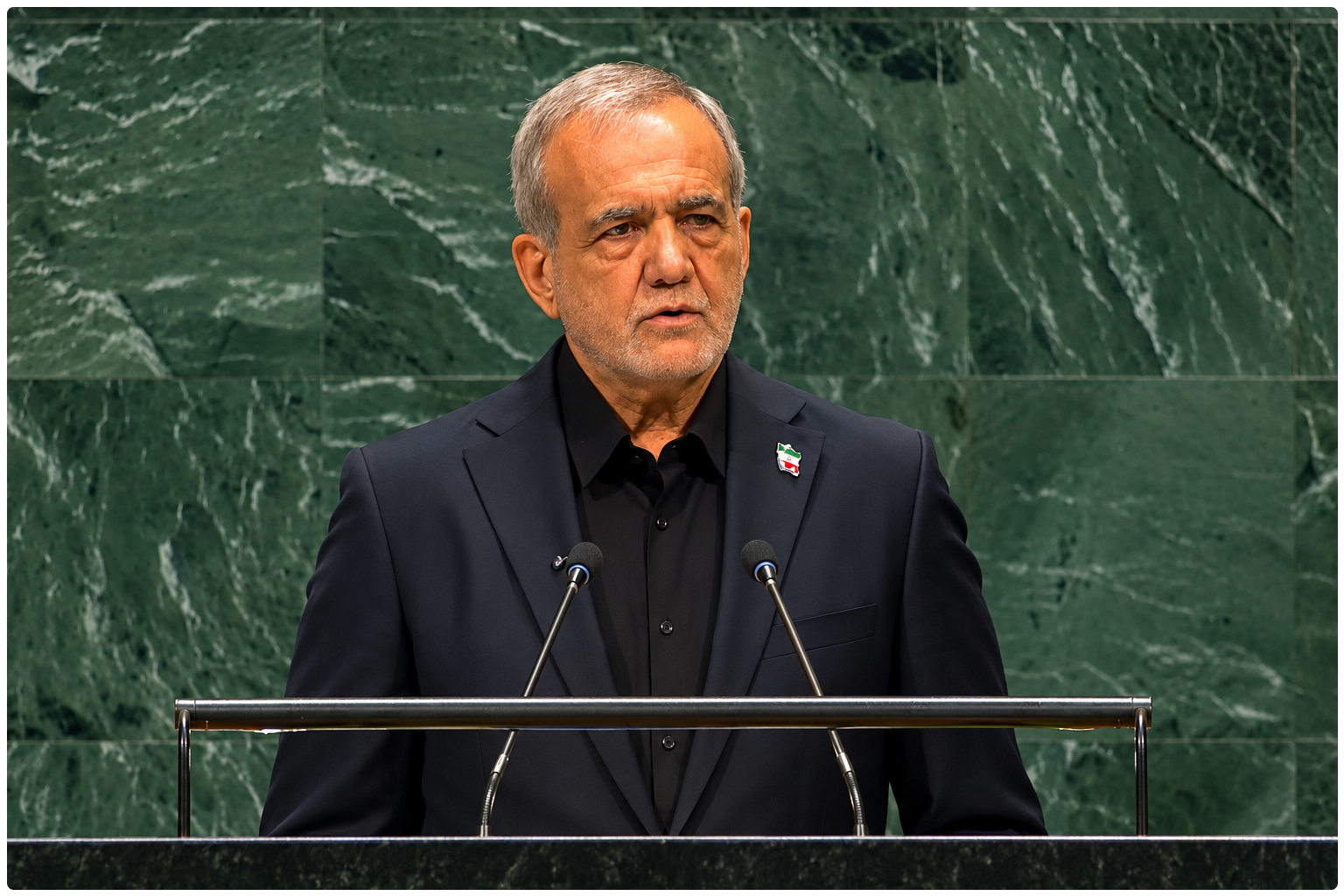
The discussions are taking place indirectly in New York during the United Nations General Assembly, with Qatar reportedly serving as a mediator. No formal agreement has been announced, and neither government has publicly confirmed the details under consideration.
The proposed arrangement would begin with reciprocal steps. Iran would restore navigation through the Strait of Hormuz, while the United States would begin removing restrictions on Iranian ports and maritime trade. Tehran could also receive access to some of its assets frozen abroad under American sanctions.
Iranian officials have indicated that the strait could be reopened within seven days if Washington reduces military pressure and begins lifting the blockade. Iran submitted its latest proposal through intermediaries on September 16 and authorised its delegation in New York to pursue negotiations.
The principal obstacle is sequencing. Washington does not want to ease pressure before Iran restores safe passage through the strait, while Tehran fears that reopening the waterway first would surrender its strongest leverage without any guarantee of economic relief.
A phased agreement is intended to resolve that problem by dividing the process into smaller, verifiable actions. Initial steps could involve reopening designated shipping routes and easing specific port restrictions before either side makes broader concessions.
Iran has also shown some flexibility over its earlier demand to collect transit charges from ships using the strait. Gulf governments rejected the proposal, arguing that it would legitimise Iranian control over an international waterway. Tehran could now move the payment demand into a separate attachment rather than making it a condition of the initial agreement.
However, Iran is not expected to abandon its claim to an administrative role in the strait. That position remains unacceptable to several Gulf states, which want freedom of navigation restored without recognising any Iranian authority over passing vessels.
The negotiations follow the collapse of an earlier understanding reached in June. That arrangement produced a temporary ceasefire, partial relief from the American blockade and a recovery in shipping. It unravelled in July after renewed attacks and disagreements over who would control security in the strait.
The failure of that agreement has made both sides cautious. Iran wants guarantees that economic restrictions will not simply be reimposed after it reopens the route. Washington wants a mechanism that prevents Tehran from closing the waterway again whenever wider negotiations stall.
The Strait of Hormuz carried about 20.9 million barrels of oil per day during the first half of 2025, equivalent to roughly one-fifth of global petroleum consumption. It also handled almost one-fifth of the world’s liquefied natural gas trade, making prolonged disruption particularly damaging for Asian economies.
Traffic remains far below its pre-war level. Before the conflict, around 125 vessels passed through the strait each day. Recent monitoring recorded only 17 commodity vessels over an entire weekend, although some ships may have travelled without broadcasting their positions.
President Donald Trump has suggested that a wider agreement may be possible after the US congressional elections on November 3. Iran, however, is seeking immediate relief as the blockade restricts oil exports, access to foreign currency and commercial shipping.
The current talks should therefore be understood as an attempt to preserve diplomacy rather than evidence that peace is imminent. A reciprocal reopening of Hormuz and lifting of the blockade could reduce pressure on both countries, but questions surrounding Iran’s nuclear programme, frozen assets, regional forces and the future governance of the strait would remain unresolved.