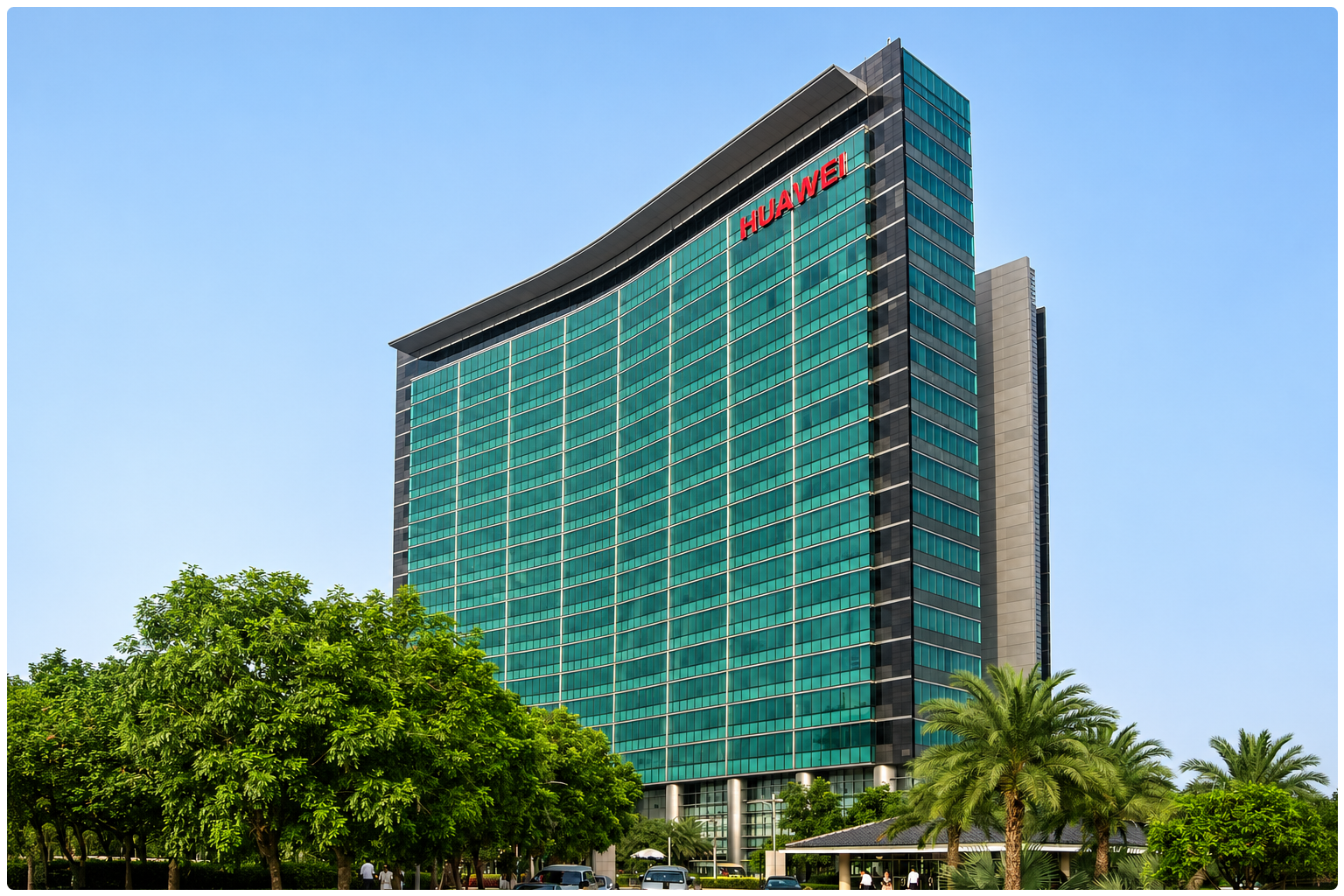
Huawei has been convicted of fraud, sanctions violations and conspiracy to steal American trade secrets after a lengthy federal trial in New York, bringing a decisive verdict in a criminal prosecution that began eight years ago. The Chinese technology company escaped the government's most sweeping accusation, however, when jurors rejected the charge that it had operated as a racketeering enterprise.
A federal jury in Brooklyn found Huawei and three subsidiaries guilty on 10 of 12 counts on Tuesday, November 24. The convictions included bank and wire fraud, money laundering conspiracy, violations of US sanctions and conspiracy to steal trade secrets. The jury acquitted the defendants of racketeering conspiracy and conspiracy to obstruct justice.
The US Justice Department announced the verdict following a trial that examined Huawei's dealings with American technology companies and its efforts to conduct business in Iran despite US restrictions.
Prosecutors argued that Huawei obtained confidential technology from competitors while concealing the extent of its Iranian operations from financial institutions. They alleged that the company's relationship with Skycom Tech, a business operating in Iran, enabled transactions to pass through international banks without those institutions being fully informed of their exposure to sanctions risks.
The prosecution also examined Huawei's acquisition of intellectual property from American companies. The 2020 superseding indictment described alleged efforts to obtain source code, cellular antenna technology and information concerning robotic testing systems. Prosecutors maintained that access to competitors' research gave Huawei commercial advantages without the associated development costs.
Those allegations formed the centre of a case that reached trial in Brooklyn in September, after years of disputes over evidence, jurisdiction and the application of American criminal law to overseas business activities.
The jury nevertheless declined to accept the government's broader racketeering theory, which sought to establish a coordinated criminal enterprise encompassing Huawei's alleged misconduct.
Huawei welcomed that acquittal. In its official response to the verdict, the company argued that the decision vindicated its longstanding rejection of the racketeering allegations. It also disputed the remaining convictions, maintaining that the charges lacked legal and factual merit, and pledged further legal action.
The proceedings have carried diplomatic consequences since 2018, when Huawei's then-chief financial officer, Meng Wanzhou, was detained in Canada at Washington's request. Meng returned to China in 2021 after reaching a deferred prosecution agreement with American authorities. The charges against her were subsequently dismissed, while the corporate prosecution continued.
Huawei has since invested heavily in developing technology that reduces its dependence on American suppliers, including advanced AI processors intended to compete with Nvidia. US export restrictions have remained a major obstacle to its international business.
The verdict leaves Huawei facing the consequences of 10 criminal convictions while preserving its ability to challenge them through further court proceedings. The company has indicated that it will contest the outcome, extending a legal battle that has already survived changes of administration in Washington and years of confrontation between the United States and China.