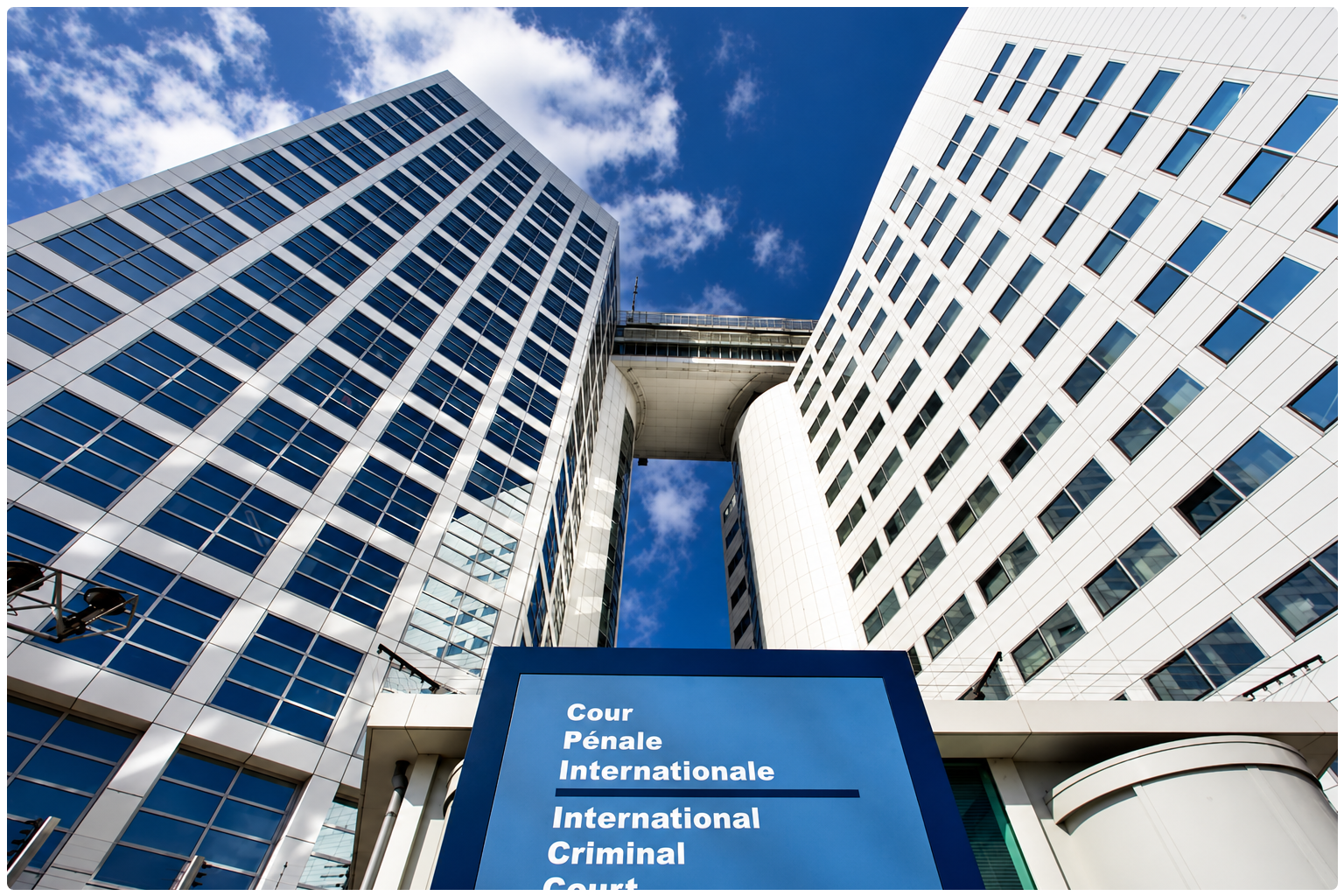
The United States has imposed sanctions on the International Criminal Court as an institution, dramatically escalating its confrontation with the tribunal over investigations involving American and Israeli officials.
Previous US measures focused on individual judges, prosecutors and other court personnel. The latest action targets the entire Hague-based organisation, potentially restricting its access to American banks, technology companies, dollar-denominated transactions and other essential services.
US Secretary of State Marco Rubio announced the measures on October 9, accusing the ICC of threatening American sovereignty by pursuing citizens of countries that have not accepted its jurisdiction. The United States and Israel are not members of the court.
Under the sanctions, American citizens and companies will generally be prohibited from providing funds, goods or services to the ICC without government authorisation. Businesses dealing with the court have been given 180 days to end covered transactions, creating a six-month period before the full operational impact becomes apparent.
The restrictions could affect far more than the court’s ability to move money. Its daily operations depend on external providers for banking, software, cybersecurity, communications, insurance, travel and evidence management. International companies may also withdraw services beyond what US rules strictly require because they fear losing access to the American financial system.
Washington’s central objection concerns the ICC’s claim that it can investigate alleged crimes committed on the territory of a member state even when the accused comes from a country that has not joined the court. Palestine became an ICC member in 2015, while Afghanistan joined in 2003.
That position formed the legal basis for investigations involving alleged offences in the Palestinian territories and Afghanistan. In November 2024, the court issued arrest warrants for Israeli Prime Minister Benjamin Netanyahu and former defence minister Yoav Gallant over alleged war crimes and crimes against humanity connected to the Gaza conflict. Israel has rejected the allegations and disputes the ICC’s jurisdiction.
The United States has also opposed investigations into alleged offences involving American military and intelligence personnel in Afghanistan. Washington argues that US nationals cannot be subjected to the court’s authority without the country’s consent.
The institution-wide sanctions follow months of pressure against individual ICC officials. President Donald Trump revived the sanctions framework through an executive order in February 2025, after which Washington targeted several judges, prosecutors and senior court figures.
Washington had been preparing institution-wide sanctions since September, amid warnings that the restrictions could disrupt the court’s payroll, investigations and technology systems. The latest action puts those measures into effect.
The International Criminal Court rejected the sanctions, describing them as an attempt to obstruct justice and weaken the international legal order. It said its investigations and prosecutions would continue and called on member states to ensure that the tribunal retains the resources required to operate.
Established by the Rome Statute and operating since 2002, the ICC prosecutes individuals accused of genocide, crimes against humanity, war crimes and the crime of aggression when national authorities are unwilling or genuinely unable to act. It has 125 member states but no police force of its own, leaving it dependent on governments to enforce arrest warrants.
Several US allies support the court and are now under pressure to protect it from financial isolation. European governments have examined alternative payment arrangements, legal protections and measures to prevent companies from automatically complying with American restrictions.
The sanctions therefore create a wider test for international justice. Their impact will depend not only on Washington’s enforcement, but also on whether ICC members are willing to sustain the court without access to important parts of the US-controlled financial and technological system.