The United States has removed Venezuela from the list of countries it says are failing to meet international counternarcotics obligations, a striking reversal that comes less than a year after American forces captured Nicolás Maduro and Washington began reshaping the country’s political and economic order.
President Donald Trump’s latest annual drug-control determination no longer places Venezuela among the countries judged to have “failed demonstrably” in combating narcotics. Afghanistan, Bolivia, Myanmar and Colombia remain in that category. Venezuela, however, is still listed as a major drug-transit or drug-producing country, meaning Washington has not suddenly declared the country free of narcotics problems. The change is specifically about whether its government is making sufficient efforts to address them.
Trump credited the shift to cooperation from the interim government led by Delcy Rodríguez, which took power after Maduro was captured by U.S. forces in January. Washington says the new authorities have worked more closely with American officials against organised crime and drug trafficking, including operations targeting Tren de Aragua. The timing gives the decision a striking political dimension.
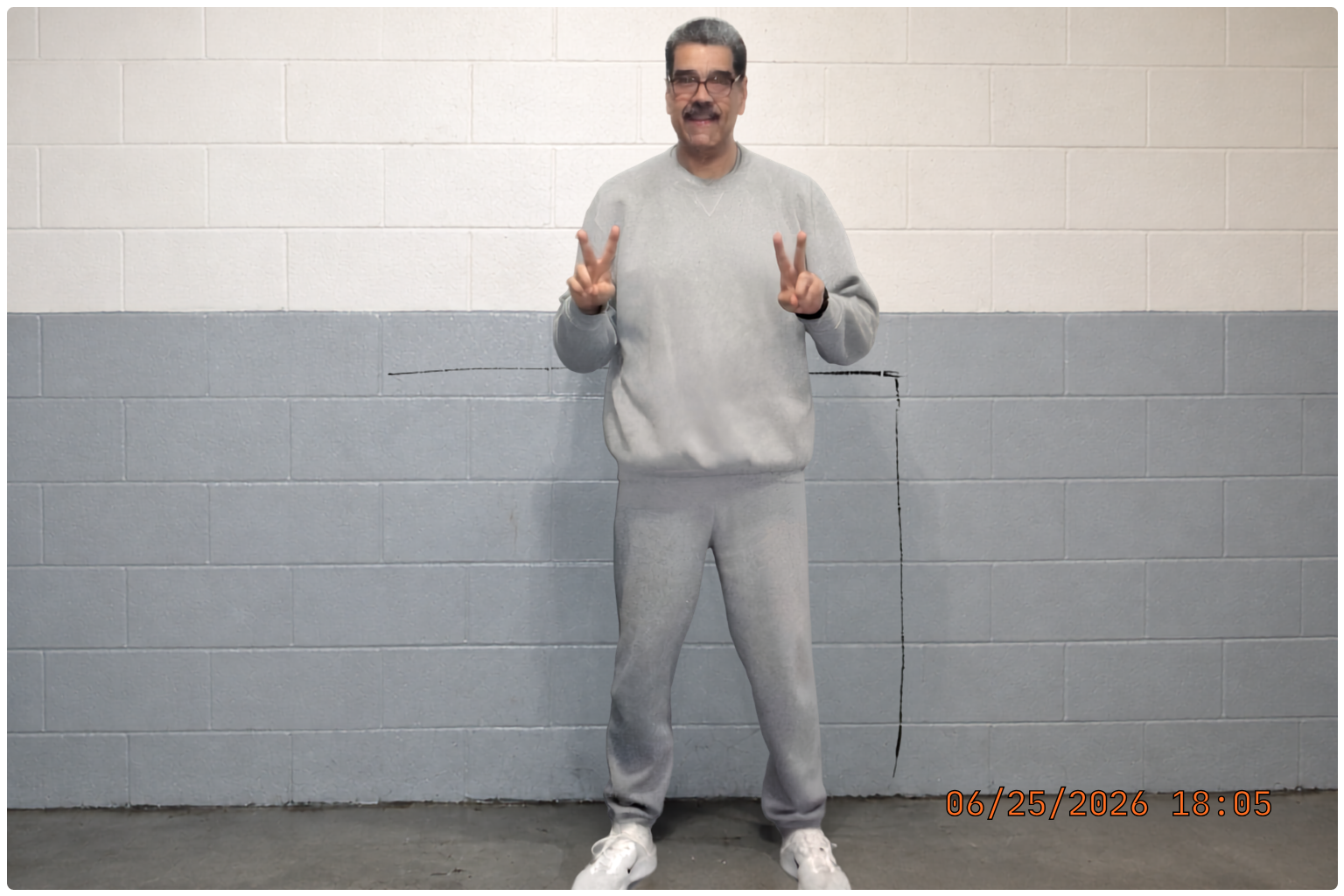
For years, successive U.S. administrations portrayed Maduro’s government as part of the drug-trafficking problem itself. Venezuela had been judged to have failed its international counternarcotics obligations for more than two decades, and U.S. prosecutors accused Maduro and senior officials of involvement in cocaine trafficking. In January, American forces entered Venezuela, captured Maduro and his wife, and flew them to the United States, where Maduro now faces federal drug charges.
Trump then said Washington would temporarily oversee Venezuela’s transition. Since then, the United States has backed Rodríguez’s interim administration while encouraging American companies to re-enter Venezuela’s oil sector. The White House has also celebrated a major agreement giving the U.S. government extensive economic rights linked to tens of billions of barrels of Venezuelan oil reserves. American energy companies including Continental Resources are now signing new agreements with state oil company PDVSA.
Critics of Washington’s approach are likely to see an obvious contradiction. A country previously described as failing catastrophically on drugs is now being treated as a more cooperative partner after its president was removed by a foreign military operation and its most important economic sector was opened more aggressively to U.S. influence.
Supporters of the Trump administration would argue that this is precisely the point: Maduro’s removal changed the government, and therefore changed its willingness to cooperate with Washington.
Either way, the shift shows how quickly official U.S. judgments can change when political control changes.
The deeper irony is difficult to miss. Venezuela has not suddenly ceased to be a major route for illicit drugs. It remains on Washington’s own major-transit list. What has changed is the government in Caracas, its relationship with the United States and the degree of American influence over the country’s security and economy.
Washington’s verdict on Venezuela’s drug policy has changed almost as dramatically as Venezuela itself.