Vladimir Putin is about to hear what Ukraine, the United States and several European governments believe could form the basis of a peace agreement. Whether he is prepared to negotiate on those terms is another question, particularly after Donald Trump spent the past fortnight easing economic pressure on Moscow while demanding greater concessions from Kyiv.
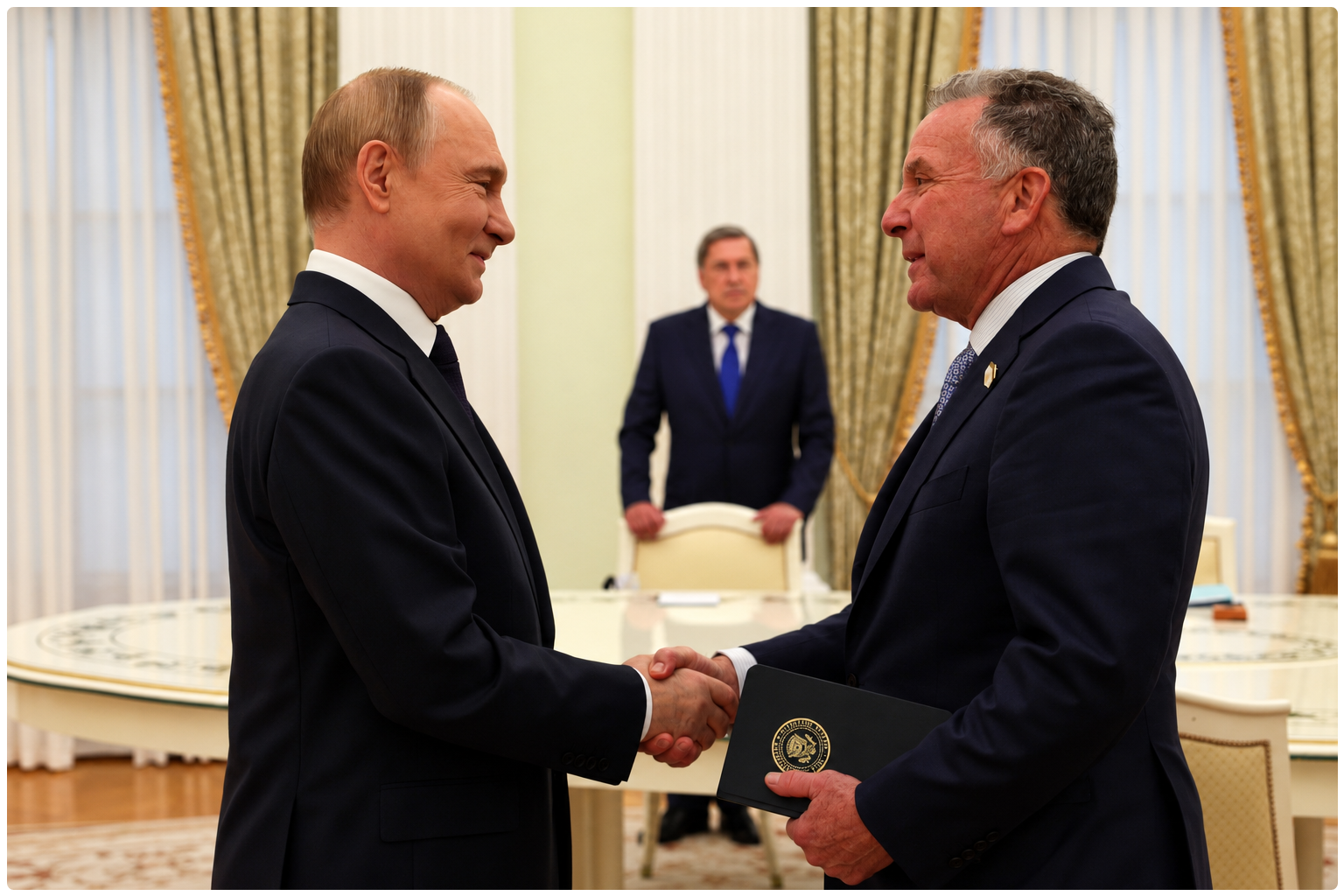
Trump's special envoy, Steve Witkoff, is expected in Russia on Wednesday, October 21, following talks in Oslo with Ukrainian President Volodymyr Zelenskyy and European leaders. The visit is intended to test Moscow's willingness to consider proposals covering a possible ceasefire, security guarantees for Ukraine and a broader settlement of the war.
The Kremlin has welcomed the prospect of another meeting with Witkoff but has not confirmed a final appointment with Putin. Kremlin spokesman Dmitry Peskov said Moscow wanted the American envoy to brief the Russian president on discussions with Ukrainian and European representatives and continue negotiations on other outstanding issues.
Witkoff's visit follows an unusually broad diplomatic gathering in Norway on Tuesday. Zelenskyy met Norwegian Prime Minister Jonas Gahr Støre and Finnish President Alexander Stubb before joining discussions with Witkoff and other Western representatives. Trump's son-in-law, Jared Kushner, participated remotely.
According to the Ukrainian presidency's account of the Oslo meetings, Kyiv and its European partners have developed proposals they want Washington to present directly to Moscow.
Zelenskyy also raised the possibility of a meeting involving the Ukrainian, American and Russian presidents, arguing that certain decisions could only be settled by national leaders. No agreement has been reached on holding such talks.
For Ukraine, any settlement must provide credible guarantees against renewed Russian aggression. Kyiv has repeatedly rejected Moscow's demand that it surrender territory still under Ukrainian control, while Putin continues to insist that Russia's territorial and security demands be addressed.
The Oslo discussions also considered air defence, energy security and a limited ceasefire covering attacks on infrastructure. Ukraine has offered to suspend strikes on Russian oil facilities if Moscow stops targeting Ukrainian power stations and other energy installations.
Those proposals have become more urgent as Russian attacks threaten electricity and heating supplies ahead of winter. Zelenskyy is also seeking additional Patriot missile interceptors and reliable American intelligence support to defend Ukrainian cities.
But the American negotiating position has grown more complicated. Trump recently waived new sanctions and tariffs targeting Russia and permitted certain transactions involving Russian diesel. The decisions eased immediate economic pressure on Moscow while drawing objections from Ukraine and members of Congress.
Trump has continued pressing Zelenskyy to reach an agreement, arguing that Russia's size and military resources give Moscow an advantage in a prolonged conflict. Kyiv fears that accepting a settlement without enforceable security commitments would leave it vulnerable to another invasion.
Witkoff has undertaken several previous missions to Moscow, including September talks with Putin alongside Kushner. Those contacts maintained a diplomatic channel but produced no settlement.
His latest mission also includes efforts to secure the release of Stephen Hubbard, an American whom Washington considers wrongfully detained in Russia.
The immediate test in Moscow is whether Putin will engage with proposals developed in consultation with Ukraine and Europe rather than insist on his existing demands. Witkoff can convey those proposals and report Moscow's response. He cannot establish Russia's willingness to compromise simply by securing another meeting.