US authorities have arrested a California woman accused of conducting surveillance on the son of Taiwanese President Lai Ching-te and passing photographs, video footage and vehicle information to Chinese government contacts.
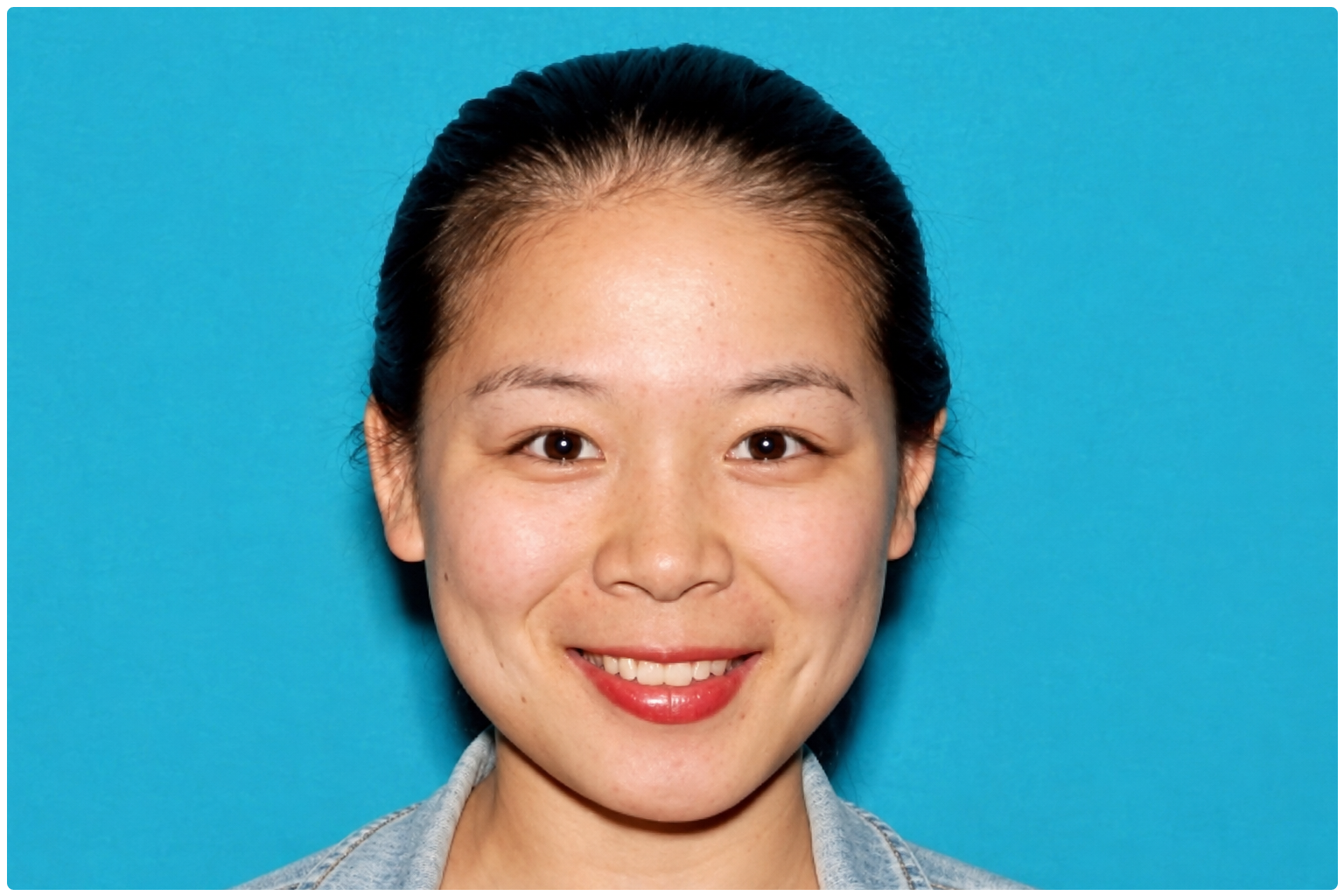
Wanying “Heather” Zhang, a 34-year-old realtor from Irvine, was detained at Los Angeles International Airport on Sunday as she prepared to board a flight to Shanghai. She has been charged with acting in the United States as an agent of a foreign government without notifying the attorney general.
The charge is distinct from offences involving the theft of classified information. However, the criminal complaint describes an alleged intelligence-gathering operation directed by people whom investigators believe were working for the Chinese government.
According to the complaint, Zhang met a Chinese official in a private room during a visit to Changsha in June 2025. Investigators allege that she subsequently accepted an assignment to monitor a close relative of a senior Taiwanese official living in the United States.
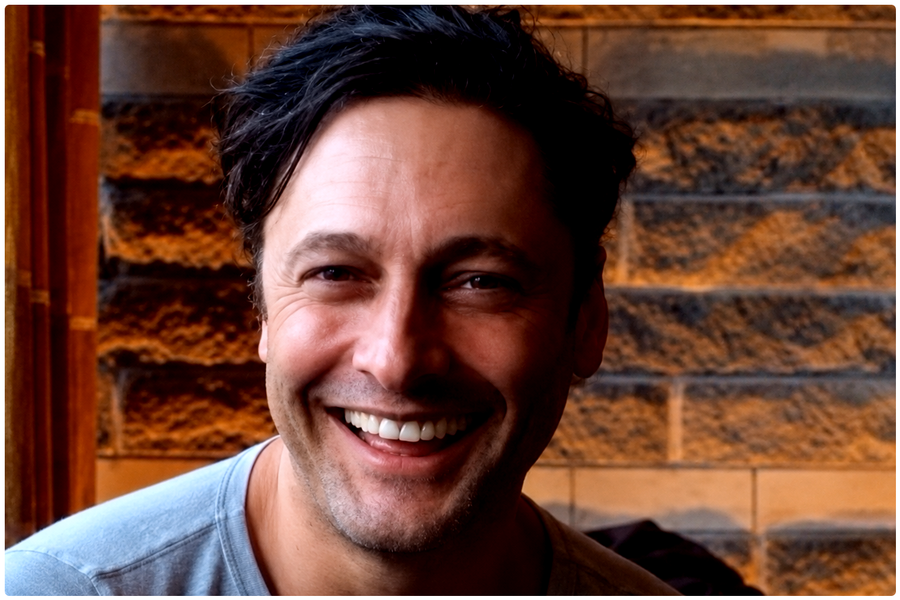
Zhang and an unnamed associate allegedly flew from Las Vegas to Seattle on September 1, 2025, rented a black Nissan Rogue and travelled to a suburban residence connected to the official’s family. The surveillance target has been identified as Lai Ting-yu, President Lai’s adult son.
Security-camera footage cited in the complaint allegedly showed Zhang and her companion filming Lai, his wife and their child as the family arrived at the property. Investigators say Zhang then transmitted photographs, video recordings and two vehicle registration numbers to her contacts.
Messages obtained from Zhang’s iCloud account allegedly captured her telling a Chinese contact that she had seen the younger man and was recording him. Before travelling to Seattle, she had reportedly informed the contact that she expected to be in the city the following week. The official allegedly thanked her for her work.
The complaint also says Zhang attended Beijing’s University of International Relations, an institution described by investigators as having links to China’s Ministry of State Security. Attendance at the university is not itself evidence of criminal conduct, but prosecutors included the connection while setting out how Zhang was allegedly introduced to her government contacts.
Investigators have not alleged that Zhang attempted to approach or physically harm the family. Nevertheless, the collection of residential addresses, family images and vehicle information has raised concerns about why such details were sought.
An FBI agent said in the complaint that information about the relatives of a senior Taiwanese leader could potentially be used by China to obtain leverage during a future confrontation. Taiwan’s presidential office described the alleged operation as transnational repression and condemned the targeting of Taiwanese citizens overseas.
The FBI defines transnational repression as action by a foreign government intended to intimidate, coerce, silence or harm members of diaspora and exile communities beyond its borders.
The arrest comes amid wider Western concern about alleged Chinese intelligence and influence operations overseas. Britain recently accused a Chinese institute of using academic partnerships to advance espionage objectives, while human-rights organisations have documented pressure directed at Uyghurs, dissidents and other communities living outside China.
The alleged target makes the California case especially sensitive. Lai Ching-te supports preserving Taiwan’s democratic system and rejects Beijing’s claim that the island is subordinate to the People’s Republic of China. Beijing considers Taiwan part of its territory and has not ruled out using force to bring it under its control.
Washington does not maintain formal diplomatic relations with Taiwan, but US law requires the government to help the island maintain sufficient defensive capacity. The United States is also Taiwan’s most important security partner, making alleged Chinese surveillance of the president’s family on American territory a potentially serious counterintelligence matter.
Zhang has been accused but not convicted. The allegations are contained in a criminal complaint and must be proved in court beyond a reasonable doubt. Details of her plea and legal representation had not been publicly confirmed when the charge was announced.