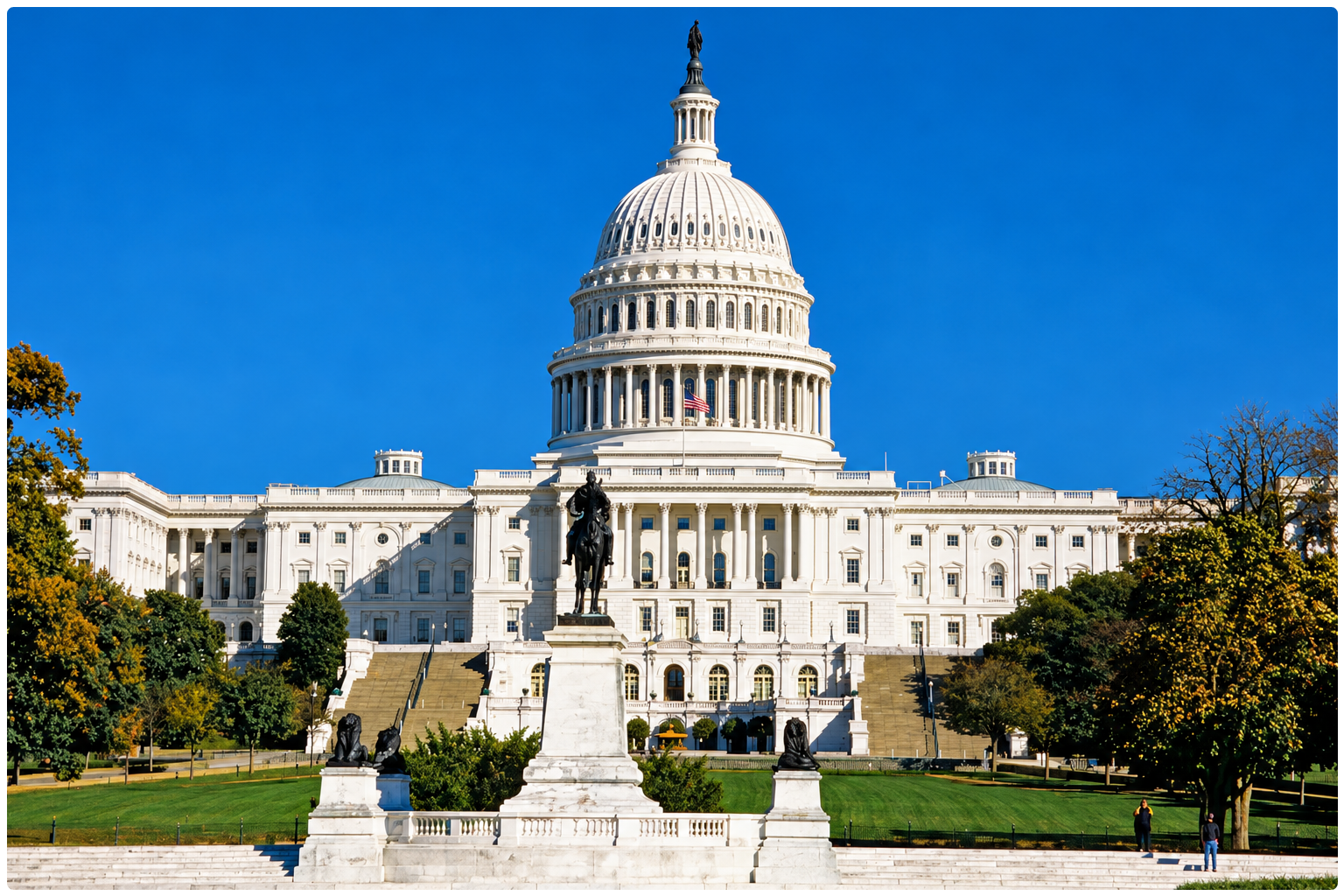
The United States Senate has rejected by a single vote a resolution directing President Donald Trump to end military hostilities against Iran unless Congress formally authorises the war.
The Senate voted 50–49 against the measure on September 24, preserving the administration’s ability to continue military operations without obtaining a declaration of war or a specific authorisation for the use of military force.
Four Republican senators broke with their party and supported the resolution: Susan Collins of Maine, Lisa Murkowski of Alaska, Rand Paul of Kentucky and Thom Tillis of North Carolina. Tillis had previously supported Trump’s military action but joined the latest attempt to restore congressional control over the conflict.
Democratic Senator John Fetterman of Pennsylvania voted against the resolution, continuing his support for the administration’s military campaign. Senator Angela Alsobrooks of Maryland was the only member absent. Every other Democrat and both independent senators voted in favour.
The measure had already passed the House of Representatives by 214 votes to 208 in July. Four House Republicans joined Democrats in supporting it, making the Senate the final congressional obstacle.
The resolution directed Trump to remove American forces from hostilities against Iran unless Congress approved the conflict. It contained exceptions for immediate self-defence and the protection of US forces, but would have prevented the president from continuing broader offensive operations solely under his executive authority.
The vote renews a constitutional dispute that has followed the war since American and Israeli forces began attacking Iran in late February. The US Constitution grants Congress the authority to declare war, while the president serves as commander-in-chief of the armed forces.
Under the War Powers Resolution of 1973, a president must notify Congress after introducing forces into hostilities and ordinarily terminate unauthorised operations within 60 days. That period expired months ago without Congress approving the war.
The Trump administration argues that the president has sufficient authority to protect American personnel, defend national interests and respond to Iranian attacks. Opponents say those arguments have been stretched to cover a prolonged military campaign that Congress never authorised.
Thursday’s vote was the Senate’s fourteenth consideration of an Iran-related war-powers measure since the conflict began. Most previous attempts failed by wider margins, but Republican support for congressional intervention has gradually increased.
The latest defection came from Tillis, while Collins, Murkowski and Paul had supported earlier attempts to restrict the war. Paul has consistently argued that presidents cannot initiate sustained conflicts without approval from Congress.
However, Republican Bill Cassidy, who supported a previous Iran war-powers measure, voted against the House resolution this time. His reversal helped deny supporters the majority they needed.
The vote came as the war approaches its seventh month and becomes increasingly difficult for Republicans to separate from domestic economic concerns. Disruption in the Strait of Hormuz has reduced global energy supplies, raised fuel prices and placed additional pressure on American households before the November midterm elections.
Several Republican candidates have begun calling for an early end to the conflict, even while many Republican lawmakers continue to support Trump’s authority to prosecute it.
The defeated resolution would not necessarily have ended the war immediately. As a concurrent resolution, it would not have required Trump’s signature, and the administration could have challenged its legal enforceability. Its passage would nevertheless have represented an explicit declaration by both chambers that the military campaign lacked congressional approval.
Instead, the Senate’s one-vote margin leaves the existing arrangement intact. Trump retains operational control of the war, while Congress remains divided over whether it is exercising oversight or surrendering one of its most consequential constitutional powers.