US forces struck three Iranian crude oil tankers on Saturday after Iran's Islamic Revolutionary Guard Corps launched ballistic missiles at two American Navy warships, marking another sharp escalation in the months-long military confrontation between Washington and Tehran.
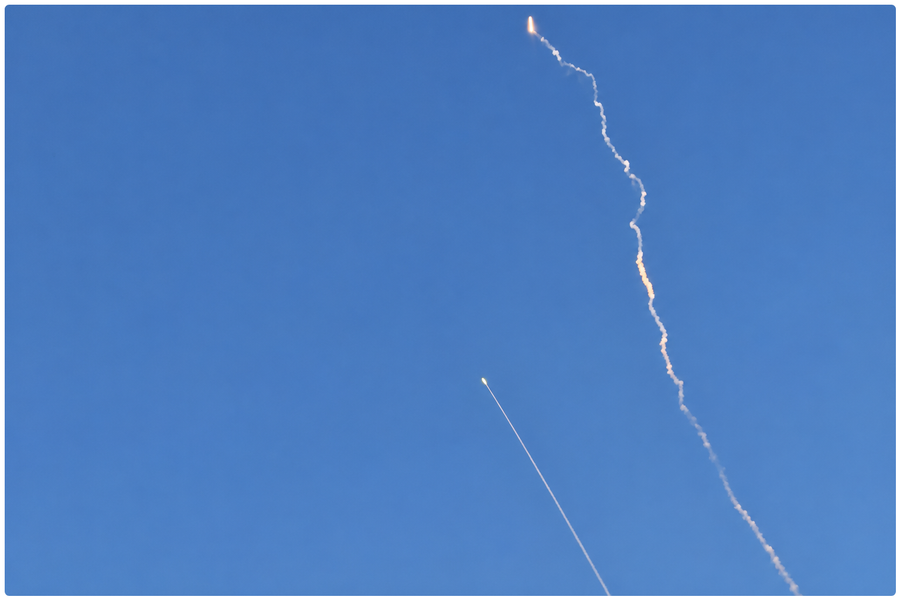
US Central Command said an American aircraft carrier and a guided-missile destroyer were patrolling regional waters when the IRGC launched multiple ballistic missiles towards them. Both vessels successfully evaded the attacks and no American personnel were injured, according to CENTCOM.
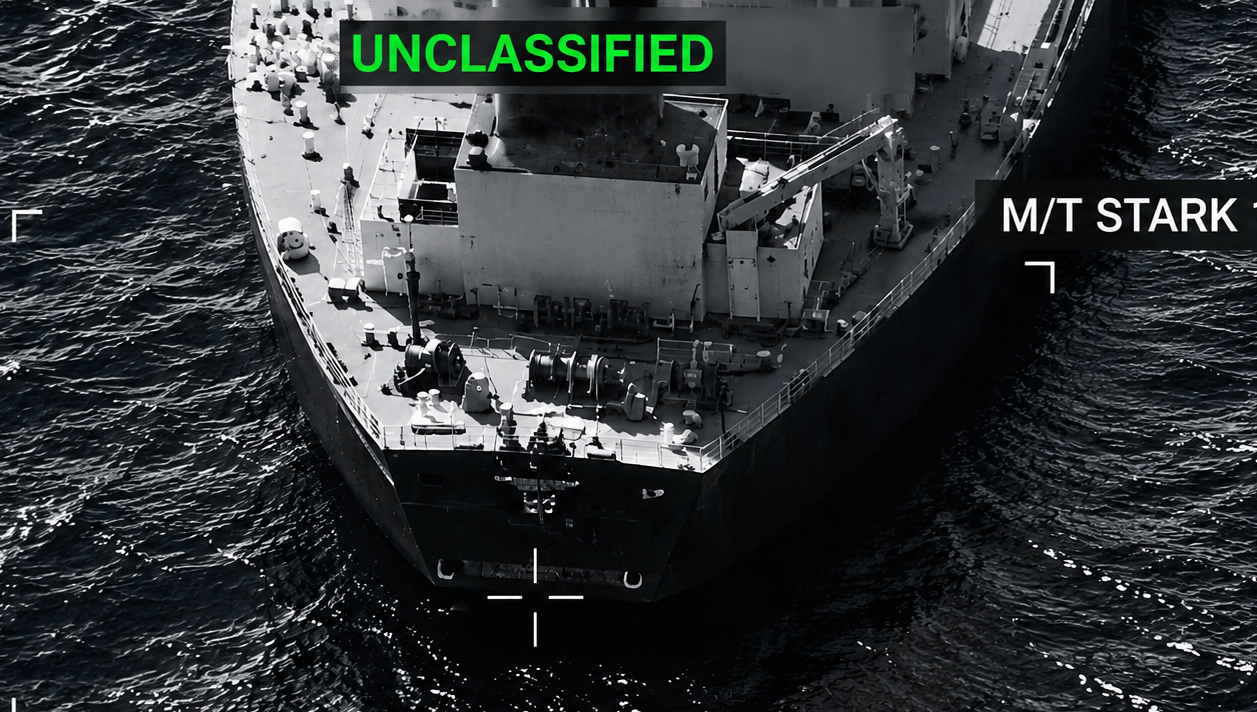
American forces subsequently attacked three Iranian crude oil carriers, which CENTCOM described as vessels belonging to the IRGC's oil fleet.
Admiral Brad Cooper, commander of US Central Command, framed the strikes as both retaliation and an attempt to impose an economic cost on Tehran.
“Let the message to the IRGC be clear: If you shoot at two of our ships, we will impose an even higher economic cost taking out three of yours,” Cooper said.
CENTCOM also warned that Iran's remaining oil fleet was “limited and exposed,” signalling that additional tankers could be targeted if attacks against American forces continue.
At least two of the vessels were reportedly attacked near strategically important Iranian oil facilities. One tanker was struck near Kharg Island, the centre of Iran's crude oil export infrastructure in the Persian Gulf, while another was targeted near the port city of Jask.
Iran's semi-official Tasnim news agency reported that four US missiles struck a tanker near the Kharg Island anchorage. Local sources cited by the agency said there were no casualties and the vessel's crew was being evacuated. Iranian authorities had not issued a detailed official response immediately after the US announcement.
The confrontation follows a renewed cycle of attacks between Iran and the United States after a period of relative military stalemate.
Earlier this week, CENTCOM carried out another wave of strikes against Iranian military infrastructure, targeting air-defence systems, radar installations, maritime assets, mine-laying capabilities and communications facilities. The US military said those operations were conducted in response to attempted IRGC attacks on commercial shipping in the Strait of Hormuz and American personnel.
The wider confrontation has increasingly centred on control of maritime traffic and energy exports through the Persian Gulf. Washington has been enforcing a blockade against Iranian ports and merchant vessels, while Tehran has sought to restrict shipping through the Strait of Hormuz, one of the world's most important oil transit routes.
The latest tanker strikes are particularly significant because Washington is now directly targeting vessels carrying Iranian crude rather than limiting its attacks to military installations.
That raises the economic stakes for Tehran. Oil exports remain an important source of government revenue, and disruption around Kharg Island could have consequences beyond the immediate military confrontation if repeated attacks begin affecting Iran's ability to export crude.
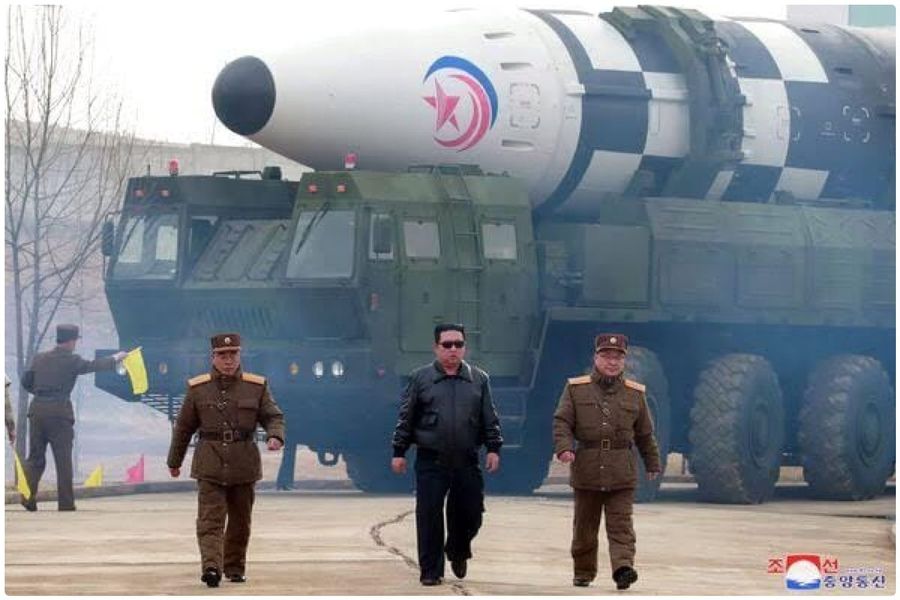
The exchange also demonstrates that Iran retains the ability to launch ballistic missiles against American naval forces despite months of US and Israeli strikes aimed at degrading its missile, drone and naval capabilities.
With both sides now attacking assets directly connected to maritime operations and energy exports, the risk of further escalation around the Persian Gulf and Strait of Hormuz remains high.