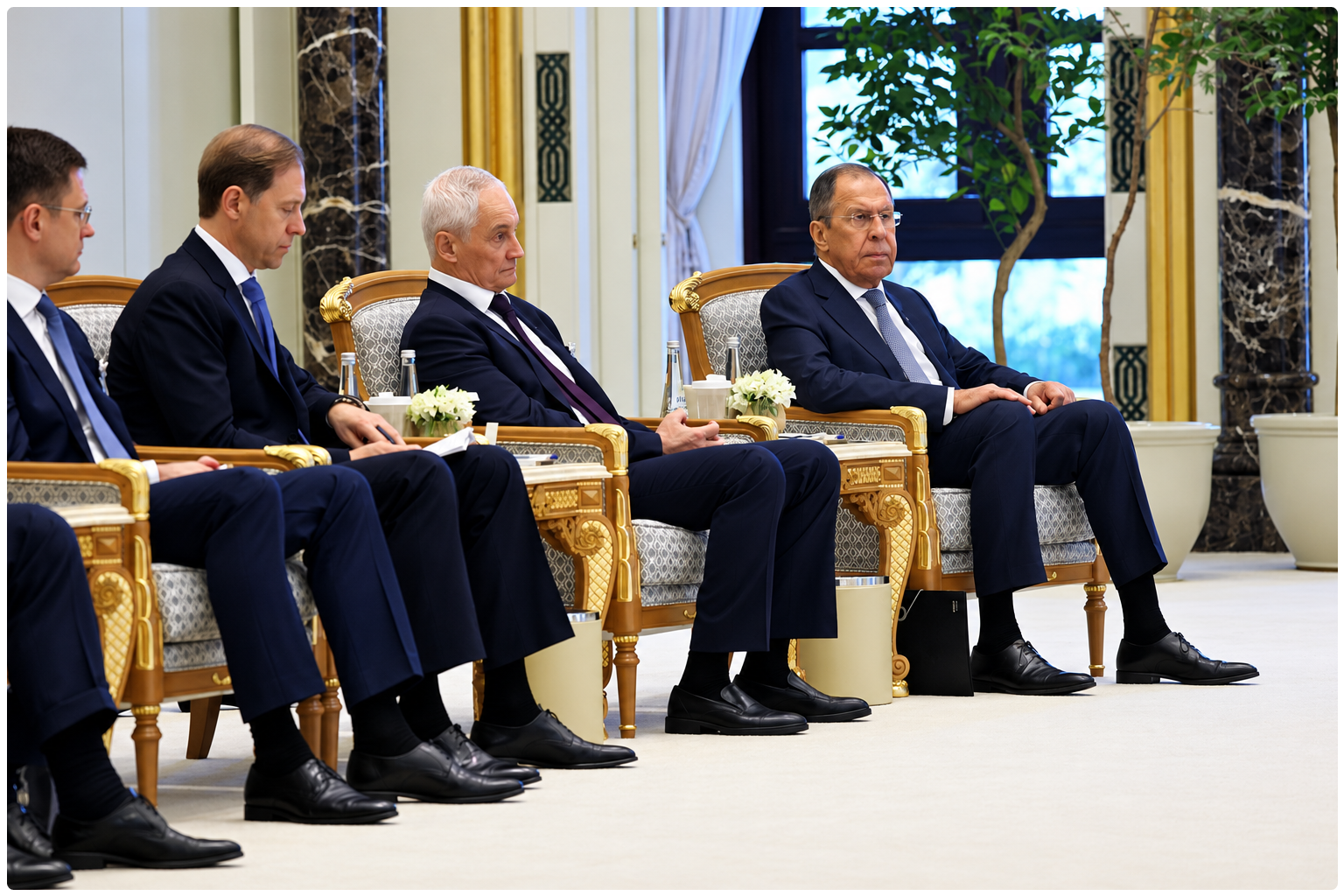
Russian Foreign Minister Sergey Lavrov has arrived at the same diplomatic gathering as the Western governments supporting Ukraine. China has sent its second-ranking diplomat rather than its foreign minister. And the United States, which is hosting the talks, is embroiled in an escalating conflict with Iran that has disrupted energy supplies and pushed up prices around the world.
This is the fractured diplomatic setting awaiting US Secretary of State Marco Rubio as he hosts G20 foreign ministers in Atlanta on October 30 and 31. Washington wants cooperation on economic growth, energy security and international trade. Its guests bring competing positions on the wars, sanctions and trade restrictions that have helped destabilise all three.
The Trump administration has deliberately narrowed the G20's agenda towards economic priorities. Its official programme for the Atlanta meeting emphasises keeping international shipping routes open, securing food and energy supplies, and protecting supply chains from geopolitical disruption.
But the world's leading economies have little agreement on how to achieve those objectives.
Russia's continued war against Ukraine has divided Moscow from European governments, while Washington's efforts to negotiate an end to the fighting have been complicated by disagreements over territory, sanctions and security guarantees. Lavrov's participation brings those disputes directly into a meeting chaired by the United States.
The conflict with Iran has created another confrontation. Disruption around the Strait of Hormuz and attacks affecting Red Sea shipping have raised the cost of moving oil, gas and other essential commodities. Governments that disagree over military action against Tehran nevertheless share an interest in keeping those routes open.
China's representation is also drawing attention. Executive Vice Foreign Minister Ma Zhaoxu is attending instead of Foreign Minister Wang Yi, as disagreements with Washington over tariffs, technology restrictions and the South China Sea continue. Beijing's decision to send a lower-ranking official does not prevent negotiations, but it limits the opportunities for direct ministerial engagement.
India arrives with its own priorities. External Affairs Minister S. Jaishankar is attending both the G20 gathering and a separate Quad foreign ministers' meeting with Rubio and his Australian and Japanese counterparts.
For New Delhi, uninterrupted access to energy, fertilisers and shipping routes is particularly important. India also wants progress on critical minerals, technology cooperation and resilient supply chains without surrendering its freedom to maintain commercial relationships with competing powers.
The Atlanta meetings give Jaishankar another opportunity to pursue those interests after discussions with Rubio in Mumbai earlier this month.
The Quad meeting offers a smaller negotiating table. India, Australia, Japan and the United States have overlapping interests in maritime security and reducing dependence on vulnerable supply chains, although they do not necessarily share identical positions on Russia or trade.
There is also a conspicuous absence from the wider G20 gathering. South Africa, a member of the group and its previous chair, was not invited by Washington. Ukraine, whose war will feature prominently in discussions, is likewise absent.
Rubio's immediate responsibility is to prepare the ground for the December 14–15 G20 leaders' summit in Miami, which Trump will host.
The United States can steer the agenda as G20 president, but it cannot compel the other governments to endorse its positions. Whether Atlanta produces a joint statement, narrower agreements or merely another round of diplomatic exchanges will offer an early indication of how much common ground remains before the leaders meet in December.