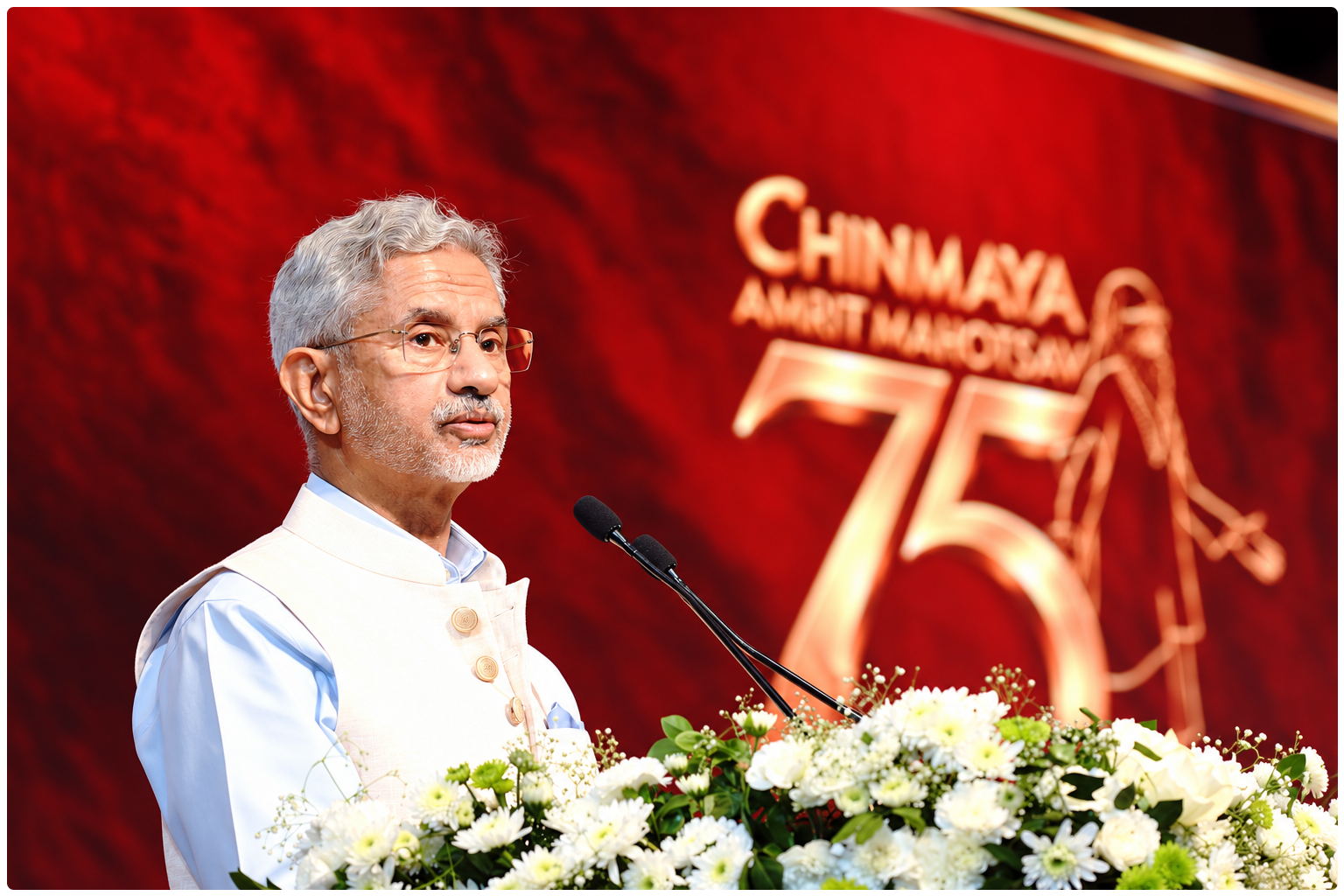
Atlanta will place S Jaishankar in two diplomatic rooms with different memberships but an increasingly shared agenda: how conflict, energy insecurity and supply-chain pressure are reshaping economic policy.
India’s external affairs minister will attend the G20 Foreign Ministers’ Meeting in the US city on October 30 and 31, according to the government’s official announcement carried by Akashvani. A Quad foreign ministers’ meeting and several bilateral engagements are scheduled on the margins.
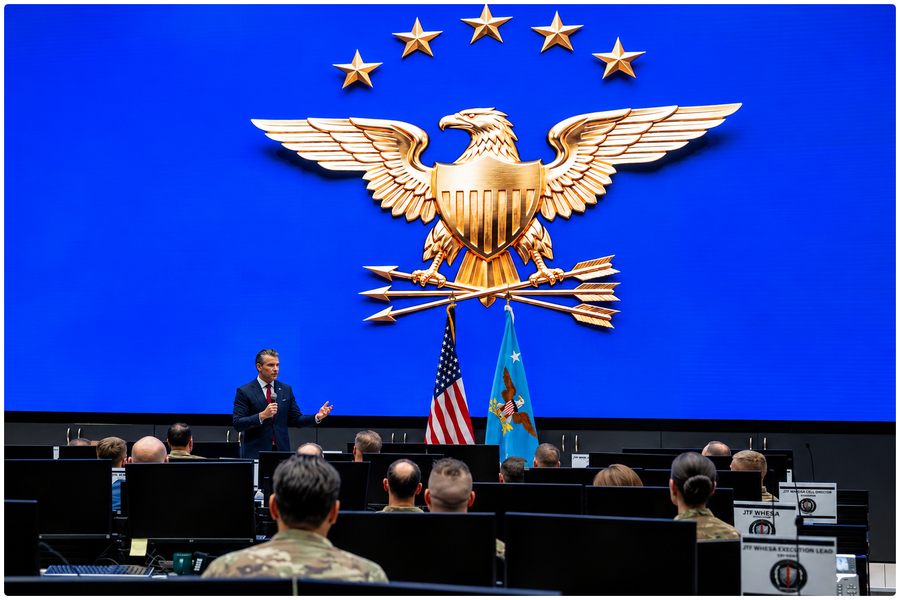
The G20 session, hosted by US Secretary of State Marco Rubio, is expected to concentrate on economic prosperity, energy security and technological innovation. Australia’s official account of the agenda goes further, identifying disrupted energy supplies, higher fuel and food costs, maritime navigation and resilient supply chains as central concerns.
For New Delhi, those subjects converge. India’s exposure to imported energy makes instability in shipping lanes and oil markets an immediate economic risk, while competition over critical minerals is becoming inseparable from industrial and technology policy. Jaishankar and Rubio reviewed trade, energy, investment, defence and critical minerals during their October 20 meeting in Mumbai, leaving Atlanta as an early opportunity to test how far that bilateral discussion can move in a wider setting.
The Quad meeting narrows the table to India, the United States, Japan and Australia. Canberra says the four ministers will discuss practical cooperation on regional security, maritime security and economic resilience. The group’s May meeting in New Delhi produced an Indo-Pacific energy-security statement and a critical-minerals framework, alongside commitments on maritime awareness, logistics and disaster response. Atlanta will therefore be judged less by a new declaration than by whether ministers attach timelines and resources to work already announced.
There is also a political balancing act for India. The G20 remains a forum in which New Delhi works with developed and emerging economies, including countries divided by current conflicts. The Quad is a smaller strategic partnership centred on the Indo-Pacific. Jaishankar must advance cooperation with Washington and its allies without allowing India’s positions in the broader forum to be read as an extension of bloc politics.
The bilateral meetings may offer the clearest signal. India and the US have been negotiating through disputes over tariffs and market access, even as their security and technology ties deepen. Conversations around the Atlanta sessions could reveal whether energy shocks and supply-chain concerns are creating room for progress or adding another layer of friction.
Jaishankar will travel from Atlanta to St John’s, Antigua and Barbuda, where he will lead India’s delegation to the Commonwealth Heads of Government Meeting from November 1 to 4. The Commonwealth says the summit will focus on partnerships and investment, including climate resilience, trade, innovation and sustainable development. The itinerary carries the same Indian priorities across three formats, but with a different coalition at each table.