The Gulf's most expensive air defence systems were never designed to fight entirely separate battles. Yet when Iranian missiles and drones struck across the region earlier this year, six neighbouring countries with sophisticated military equipment were largely left defending their own airspace.
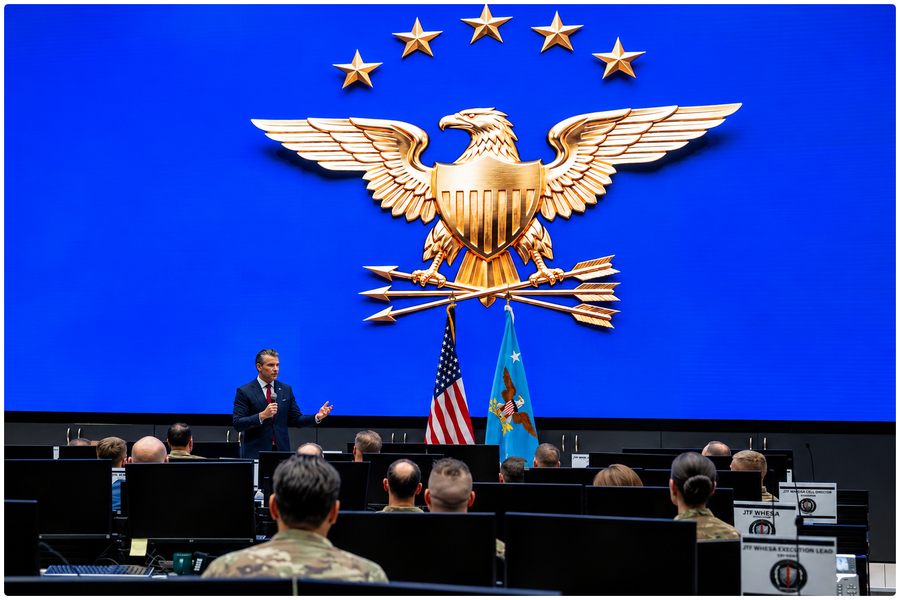
That failure of coordination has emerged as a central concern among Gulf officials reviewing the war. Speaking at the Manama Dialogue security conference in Bahrain, senior UAE presidential adviser Anwar Gargash acknowledged that the Gulf Cooperation Council (GCC) had failed to mount an effective collective response despite years of defence cooperation and extensive military spending.
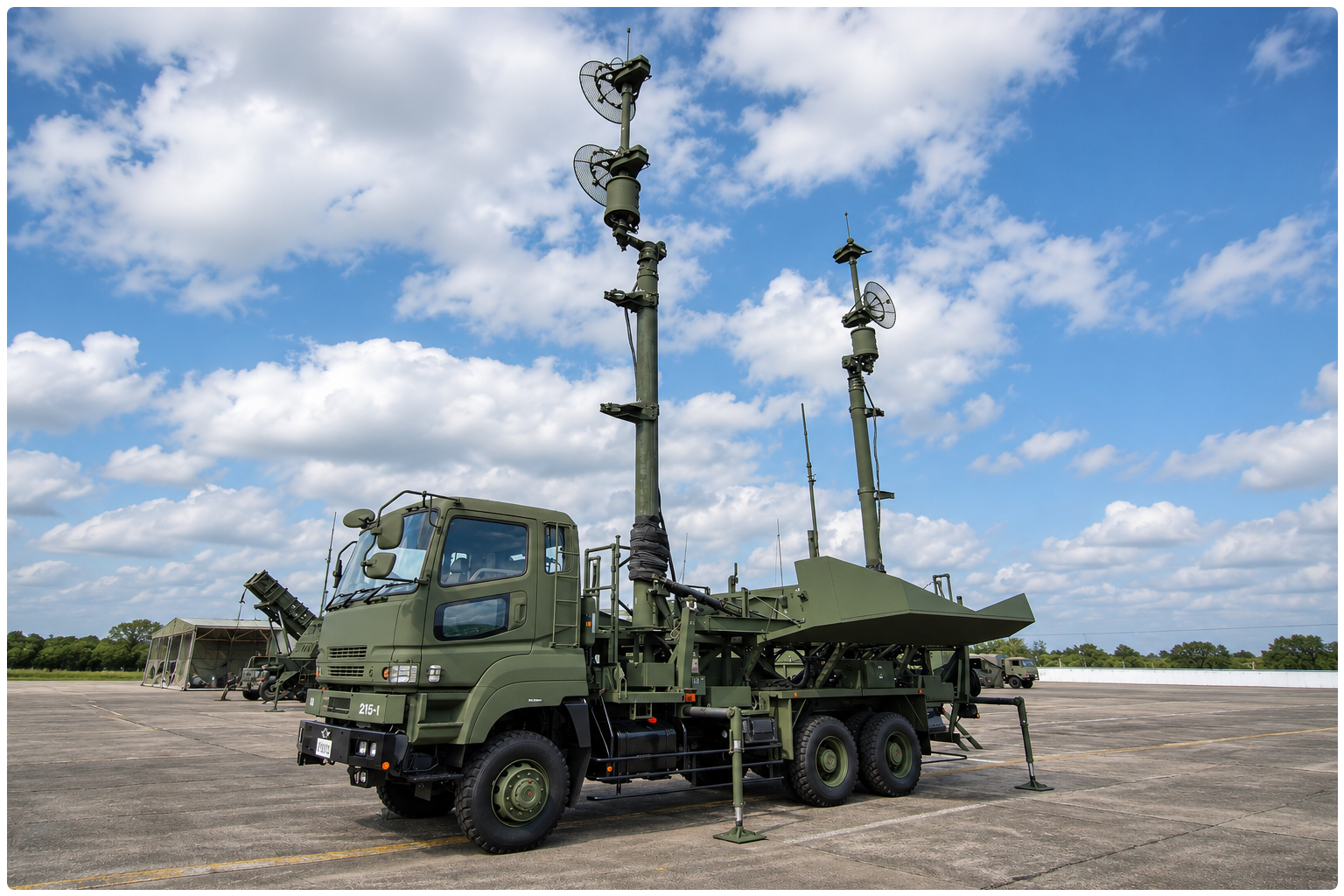
The problem was not simply a shortage of interceptors. Saudi Arabia, the United Arab Emirates, Qatar, Bahrain, Kuwait and Oman possess different combinations of radar networks, missile batteries and combat aircraft. But converting those national capabilities into a functioning regional defence system requires shared intelligence, compatible communications and agreed procedures for responding to threats crossing national boundaries.
The scale of the attacks has exposed those weaknesses. During the conflict that began on February 28, the UAE faced more than 3,000 missiles and drones, while Bahrain reported hundreds of incoming drones and nearly 200 ballistic missiles. Many were intercepted, but the sustained bombardment damaged military installations and civilian infrastructure across the region.
An October 30 assessment by the International Institute for Strategic Studies identified integrated air and missile defence, early warning, command systems and interceptor replenishment as major priorities. The report also warned that Gulf governments face difficulties replacing American-made interceptors amid global supply shortages.
The GCC had recognised the coordination problem before the latest war. In September 2025, its Joint Defence Council ordered greater intelligence sharing, transmission of air surveillance information to national operations centres and faster development of a joint ballistic missile early-warning system.
Those decisions established the framework for integration, but the subsequent conflict exposed the distance between common plans and operational coordination.
The region's vulnerabilities have since expanded. Saudi Arabia has faced repeated Houthi missile and drone attacks, including a recent barrage in which its air defences reportedly intercepted three ballistic missiles and four drones. These attacks place additional demands on weapons inventories already strained by the wider regional conflict.
At its October 18 ministerial meeting, the GCC reaffirmed that an attack against one member constituted an attack against all six under their joint defence agreement. The council also called for diplomacy addressing Iran's missile and drone programmes and support for armed groups.
Military cooperation with Washington remains central to that effort. On October 31, GCC Secretary-General Jasem Albudaiwi met US defence official Michael DiMino in Manama to discuss joint military coordination and existing bilateral working groups.
The outstanding task is creating a network capable of detecting an incoming missile in one country's airspace, sharing that information across borders and coordinating an interception before it reaches another.
Gulf governments have already agreed to pursue that capability. The war exposed how much of it remains unfinished.