Three of Saudi Arabia's most important oil installations have been named in a fresh wave of Houthi missile attacks, with the Yemeni armed group claiming to have targeted the Ras Tanura and Rabigh refineries and an Aramco facility at Abqaiq. Saudi authorities have confirmed intercepting missiles over the kingdom but have not established that any of the three oil sites suffered damage.
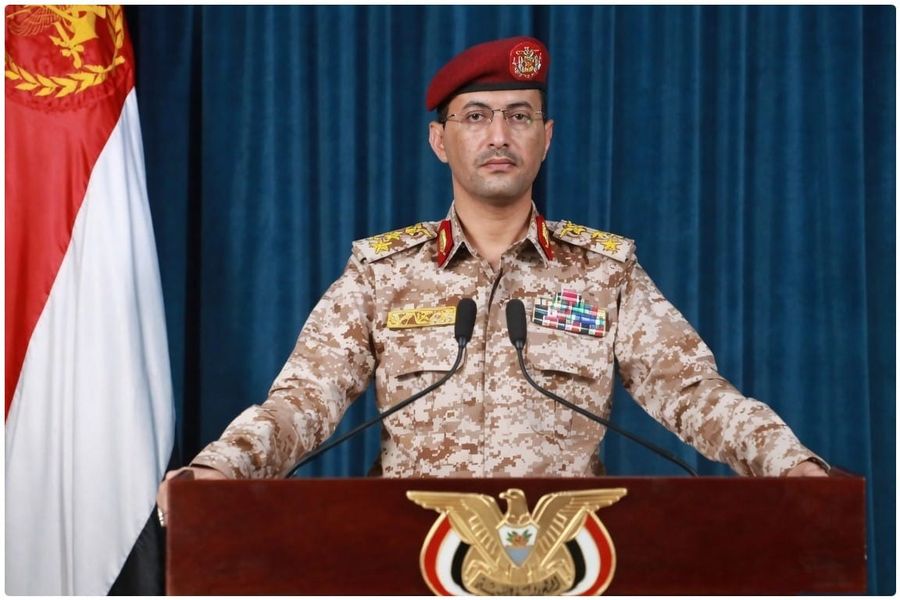
Houthi military spokesman Yahya Saree announced six operations on Thursday, October 29, targeting energy infrastructure, civilian airports and a military installation across Saudi Arabia. He said ballistic missiles had been launched at the three oil facilities, while separate attacks targeted King Khalid International Airport in Riyadh, King Fahd International Airport in Dammam and a military headquarters in Najran.
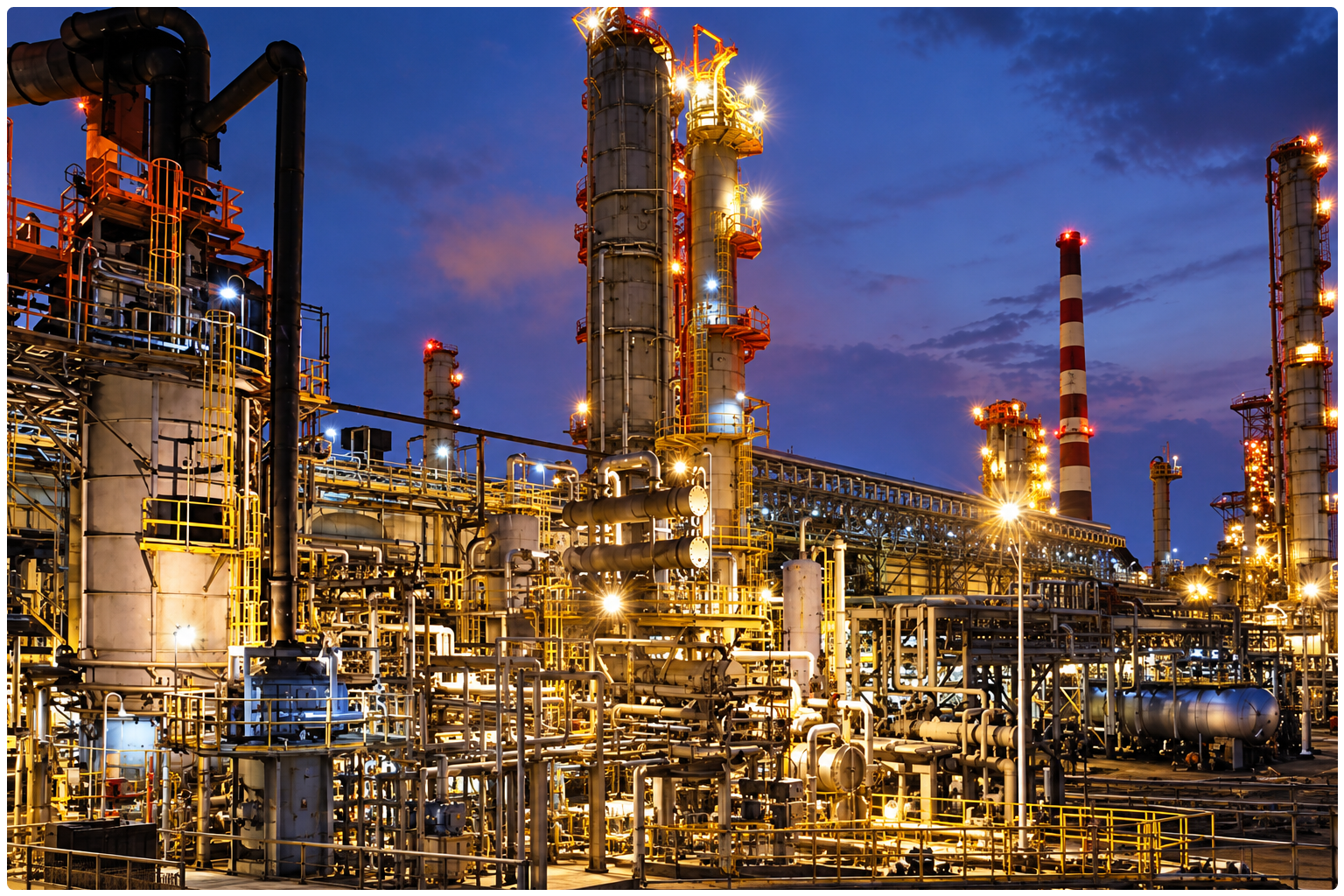
The claims cover installations at opposite ends of Saudi Arabia's oil network. Ras Tanura, on the Persian Gulf coast, is a major refining and crude export centre, while Abqaiq houses essential oil processing infrastructure. Rabigh, on the Red Sea coast, is home to another large refining and petrochemical complex.
Damage to any of these facilities could affect different stages of Saudi Arabia's oil operations, from processing crude to refining and exporting petroleum products. However, the Houthi announcement has not been accompanied by independently verified evidence of successful strikes against the installations.
Saudi air defences reported intercepting two ballistic missiles directed towards Riyadh on Thursday. In an official coalition statement, spokesman Major General Turki al-Maliki confirmed that both missiles had been destroyed before reaching their intended destinations.
The Saudi Civil Defense Directorate subsequently reported that falling debris had injured one resident and damaged a house and a vehicle in Riyadh. Saudi forces also announced the interception of a separate ballistic missile heading towards the Eastern Province, where Ras Tanura and Abqaiq are located.
Those interceptions do not independently establish whether the oil installations were attacked successfully. Saudi Aramco has not issued a verified public assessment identifying damage or production interruptions at Ras Tanura, Abqaiq or Rabigh from the latest reported operations.
The new claims follow weeks of attacks on Saudi energy infrastructure. On October 13, an administrative building at Aramco's Dhahran headquarters was damaged, causing a limited fire without reported casualties. The Houthis have also repeatedly threatened refinery operations and crude transportation networks.
Riyadh's aviation infrastructure remains under pressure. King Khalid International Airport partially reopened on October 25 after deadly attacks disrupted passenger services, but the latest Houthi announcement again identified the airport as a target.
The attacks were announced despite diplomatic contacts earlier in the week involving Iran, Saudi Arabia, Türkiye and Pakistan. Those discussions sought to prevent further regional military escalation, although they produced no publicly announced ceasefire agreement between Saudi Arabia and the Houthis.
The renewed threat to Saudi oil infrastructure has added to concerns over energy supplies already affected by insecurity around the Strait of Hormuz. Crude prices rose on Friday as traders assessed the possibility of further disruptions.
For now, the military claims and Saudi interception reports establish continued missile activity across the kingdom. The condition of the three named oil facilities, and whether any of the reported Houthi weapons reached them, remains unresolved.