Israeli air strikes killed at least four people and wounded 20 others across southern Lebanon on Sunday, as renewed fighting with Hezbollah added to an already volatile security situation across the region.
Lebanon's Health Ministry said two women were killed and six people wounded in an Israeli strike on Arab Salim, while another two people were killed in Nabatieh al-Fawqa. Other attacks hit Nabatieh city and Kfar Reman.
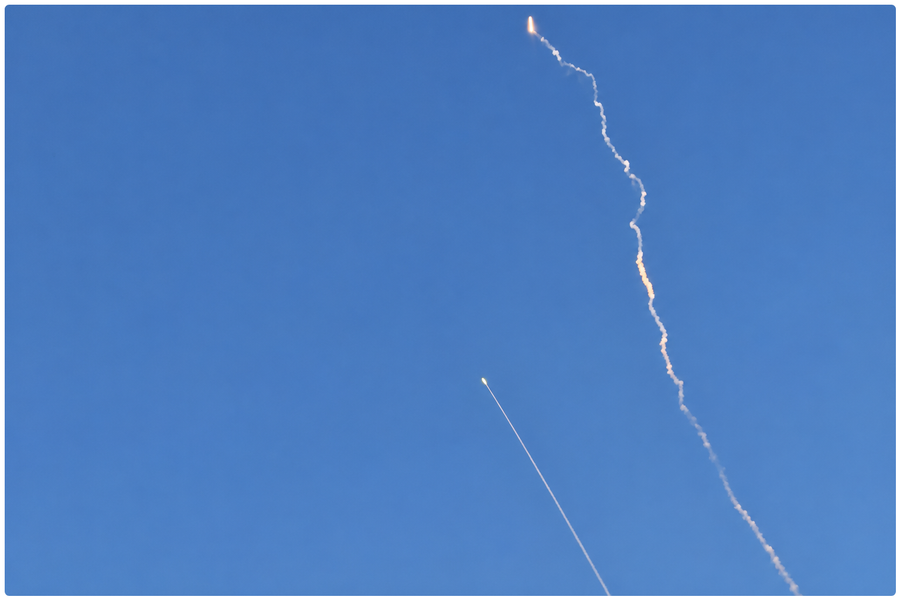
The strikes followed what Israel said was an attack by two Hezbollah explosive drones against Israeli troops operating inside Israel's self-declared security zone in southern Lebanon. The Israeli military said one of the drones was intercepted and no soldiers were injured. Israel described the attack as a “blatant violation” of the ceasefire and said its subsequent strikes targeted Hezbollah operatives and infrastructure.
Ahead of one of the strikes, the Israeli military issued an evacuation warning for a building in Arab Salim, telling residents to move at least 300 metres away. Lebanon's National News Agency reported that Israeli aircraft subsequently struck another house in the town, killing the two women.
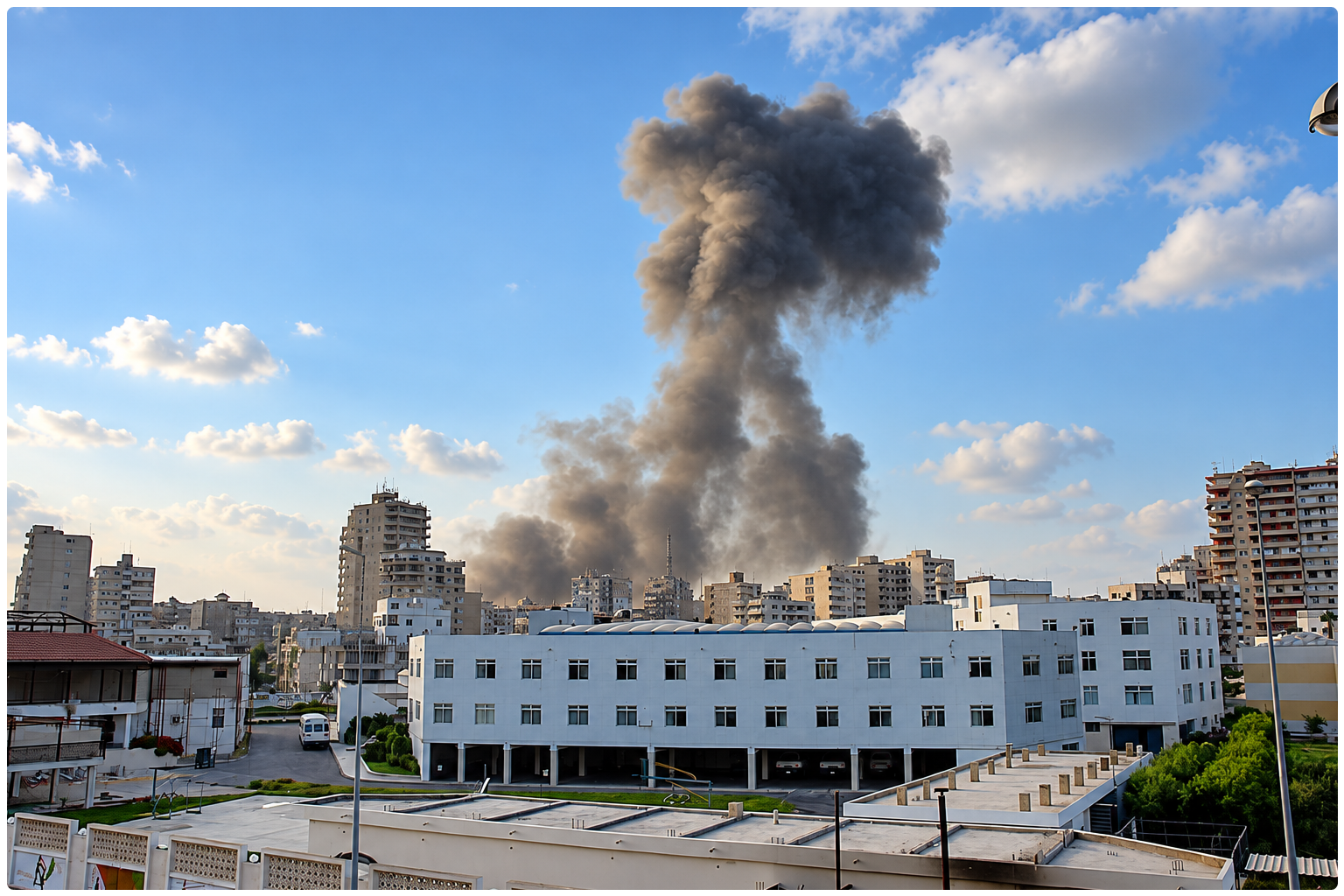
In Nabatieh al-Fawqa, an Israeli attack destroyed the Ghandour Hospital building. The facility had been out of service and was empty of patients and staff. Israel said Hezbollah had been using the compound as a command centre for surveillance and artillery operations.
The latest attacks came only days after another wave of Israeli strikes across southern and eastern Lebanon. On Friday, three people were killed and 23 wounded in attacks on five locations in the Tyre, Nabatieh and Bekaa regions. The wounded included medics, women and children, according to Lebanon's Health Ministry. Israel said those strikes also followed a Hezbollah drone attack on its troops.
The continuing violence has added to a mounting death toll in Lebanon. Official Lebanese Health Ministry figures show that 8,920 people have been killed and 30,559 wounded in Israeli attacks between October 8, 2023 and September 1, 2026. Of those, more than 4,300 have been killed since the latest major escalation began on March 2.
The escalation comes despite a US-brokered framework agreed between Israel and Lebanon in June. Israel continues to maintain forces inside a security zone extending roughly 10 kilometres into southern Lebanon and has said further withdrawals depend on progress towards disarming Hezbollah. Hezbollah has rejected the arrangement and demanded an Israeli withdrawal.
The violence in Lebanon is unfolding alongside continuing Israeli operations in Gaza and the West Bank.
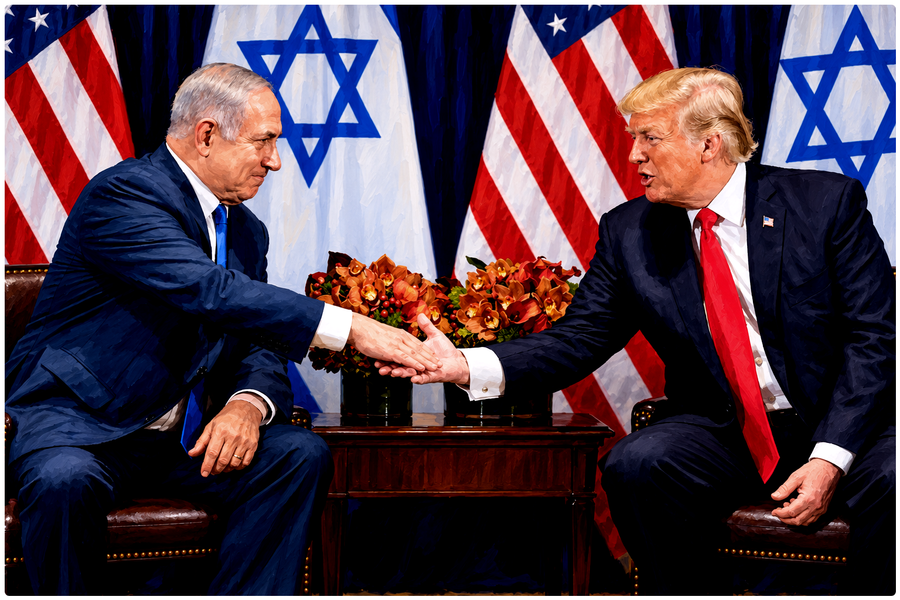
Meanwhile, Israeli Prime Minister Benjamin Netanyahu has defended his government's past decision to facilitate Qatari funds entering Gaza. In an interview with i24NEWS, Netanyahu said allowing the money into Gaza had been recommended by Israeli security agencies and maintained that it was intended for humanitarian purposes.
Netanyahu also openly acknowledged Israel's September 2025 attack in Qatar, where Israeli forces targeted Hamas officials in Doha. “I attacked Qatar, I also bombed it,” Netanyahu said while describing Qatar as a hostile state. The Doha strike killed five Hamas members and a Qatari security officer.
The latest developments underline how Israel's conflicts remain active across several fronts, with renewed Israel-Hezbollah fighting in Lebanon unfolding alongside continuing military operations in Gaza and growing tensions in the West Bank.