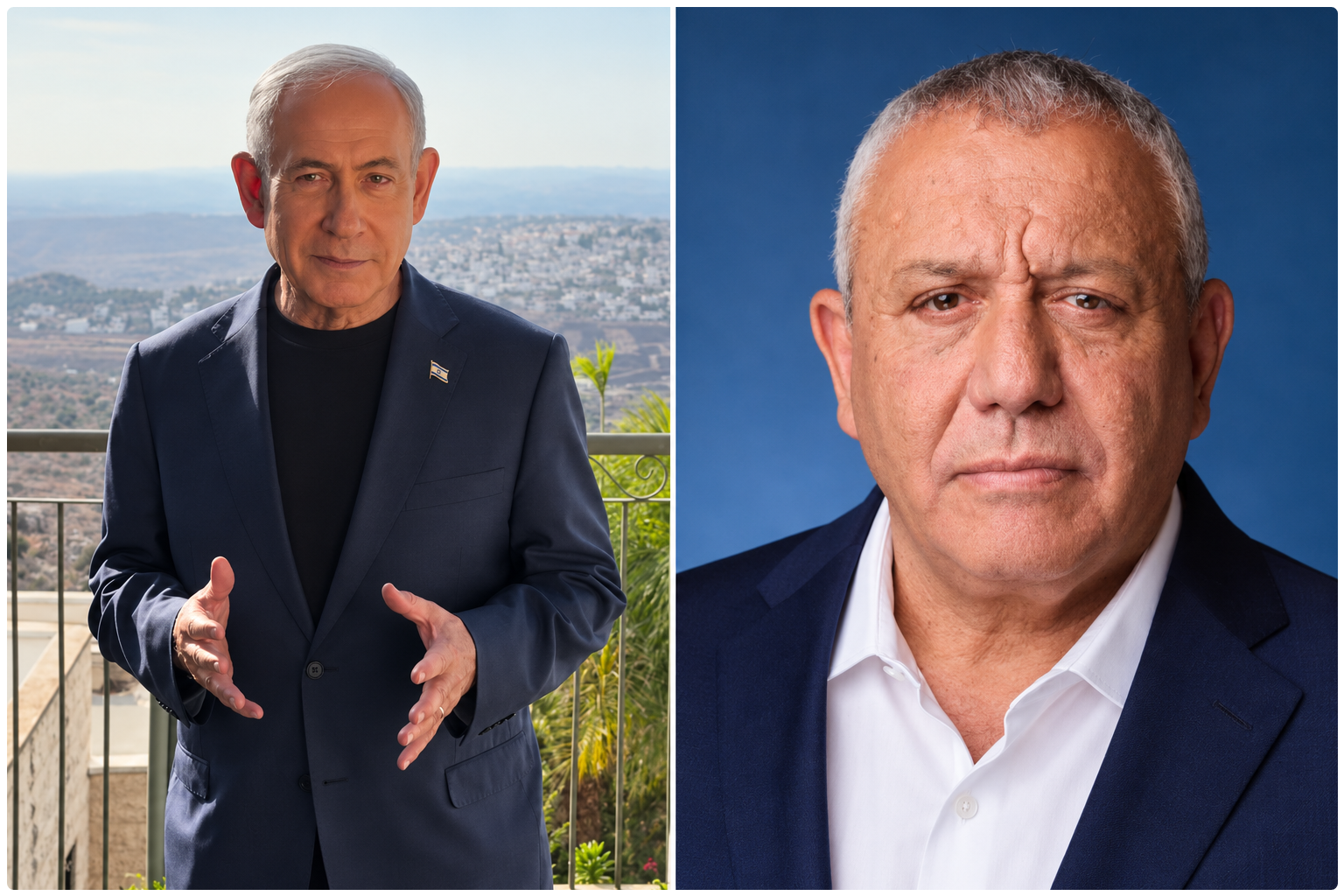
Benjamin Netanyahu emerged from Israel's election with his Likud party projected to be the largest in parliament, but without enough allies to guarantee another term as prime minister. His principal challenger, former military chief Gadi Eisenkot, claimed voters had rejected Netanyahu's leadership and called on him to leave politics. By Wednesday morning, neither man had a clear route to the 61 parliamentary seats required to govern.
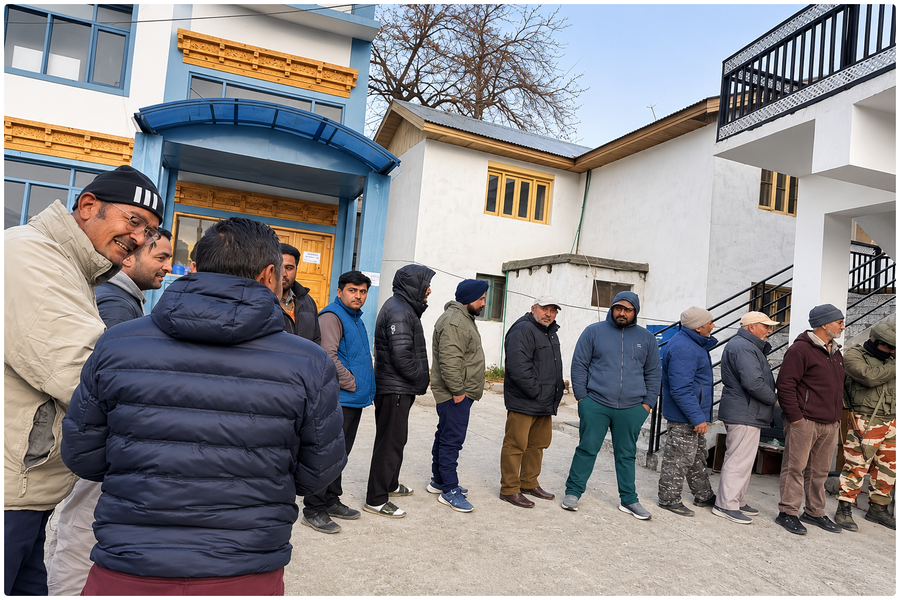
The rival declarations followed an election that drew 77.7 percent of eligible voters, the highest turnout since 1999, according to Israel's Central Elections Committee. Netanyahu sought to portray the result as an endorsement of a right-wing government, while Eisenkot argued that the combined strength of parties opposing the prime minister represented a demand for political change.
Updated exit polls from public broadcaster Kan and Channel 13 projected 51 seats each for Netanyahu's governing bloc and the principal opposition grouping. Channel 12 gave Netanyahu's allies a narrow advantage of 52 seats against 49. Those figures remained projections, with the official vote count still underway.
The strongest gains came from Arab-led parties, which were projected to secure a substantially larger parliamentary presence than in the outgoing Knesset. Their performance has complicated the political calculations of both Netanyahu and Eisenkot.
Eisenkot has sought to build a government around Jewish-led opposition parties and has largely ruled out relying on Arab parties to form a coalition. Netanyahu's right-wing and religious allies face similar obstacles to securing their support. The result could leave a sizeable group of lawmakers outside either leader's preferred governing arrangement, preventing both from reaching a majority.
Netanyahu addressed supporters after voting closed and called for a strong right-wing national government. He has campaigned on Israel's military operations against Hamas, Hezbollah and Iran, arguing that his leadership has strengthened the country's security following the October 7, 2023, attacks.
Eisenkot, who previously served as chief of staff of the Israeli military and later joined the wartime cabinet, has challenged Netanyahu over accountability for the October 7 security failures. He told supporters that voters had withdrawn their confidence from the prime minister and urged him to accept the result.
The election was Israel's first since the October 2023 attacks and the subsequent wars in Gaza, Lebanon and Iran. Questions over security, military service exemptions for ultra-Orthodox men and the government's relationship with the judiciary shaped a campaign marked by deep disagreements over Netanyahu's record.
The contest had already exposed the difficulty facing Netanyahu's opponents in assembling a workable coalition, even if parties opposed to him collectively secured more seats than his allies.
Israel's electoral system gives neither the largest party nor the largest political bloc an automatic right to govern. Under the procedure established by the Knesset, President Isaac Herzog must consult the elected parliamentary factions before assigning a lawmaker the task of forming a government.
The candidate selected receives 28 days to negotiate a coalition, with a possible extension of 14 days. Until a new government wins parliamentary confidence, the outgoing administration remains in office.
The election count is expected to become clearer over the coming days, with official results due by November 4. Netanyahu and Eisenkot can both claim political support, but neither has yet demonstrated that enough lawmakers will support a government under his leadership.