Saudi Arabia has accused Iran of attacking a Saudi-owned oil tanker in the Strait of Hormuz, killing two Filipino sailors as renewed fighting between Tehran and Washington raises fears over the security of one of the world's most important energy routes.
The Saudi-flagged Sidr, operated by the kingdom's national shipping company Bahri, was struck while transiting the Strait of Hormuz late on August 31. Shipping intelligence reports said the vessel was hit by unknown projectiles around 16 nautical miles northeast of Khasab, Oman.
Bahri confirmed that two Filipino crew members were killed but did not initially identify who was responsible. Saudi Arabia's Foreign Ministry later blamed Iran for the attack and condemned the targeting of the vessel. The Sidr was one of two tankers attacked in the area on Monday, alongside the Senegal Prosperity.
The incident comes amid a sharp escalation in hostilities between Iran and the United States. Tehran has accused Washington of striking a house where a wedding was taking place in Kuhestak in southern Iran. Iranian authorities said four people, including two children, were killed and dozens wounded, describing the attack as a “war crime.” US Central Command said it was reviewing reports of civilian casualties.
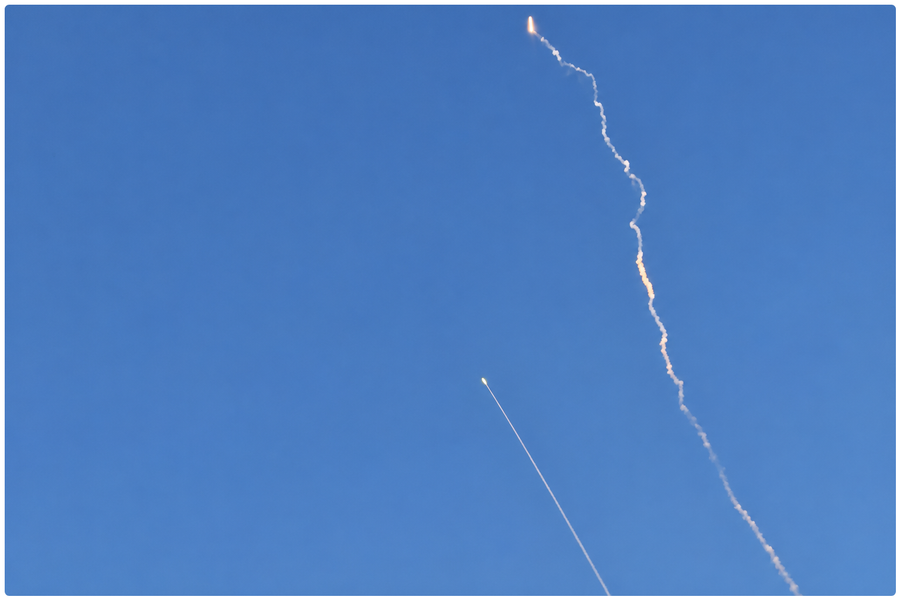
Iran subsequently launched missile and drone attacks against US positions in Bahrain, Jordan, Kuwait and Iraq. Washington said there were no American casualties from the retaliatory attacks.
The escalation has renewed concerns about shipping through the Strait of Hormuz. Before the conflict severely disrupted traffic, roughly a fifth of the world's oil supply passed through the narrow waterway. Shipping activity has fallen sharply amid attacks and threats against commercial vessels.
The disruption is also forcing Asian economies, which are particularly dependent on Middle Eastern energy, to reassess their vulnerability. Governments and energy companies across the region are looking at expanding domestic oil and gas storage, diversifying suppliers and keeping larger reserves closer to major consumption centres.