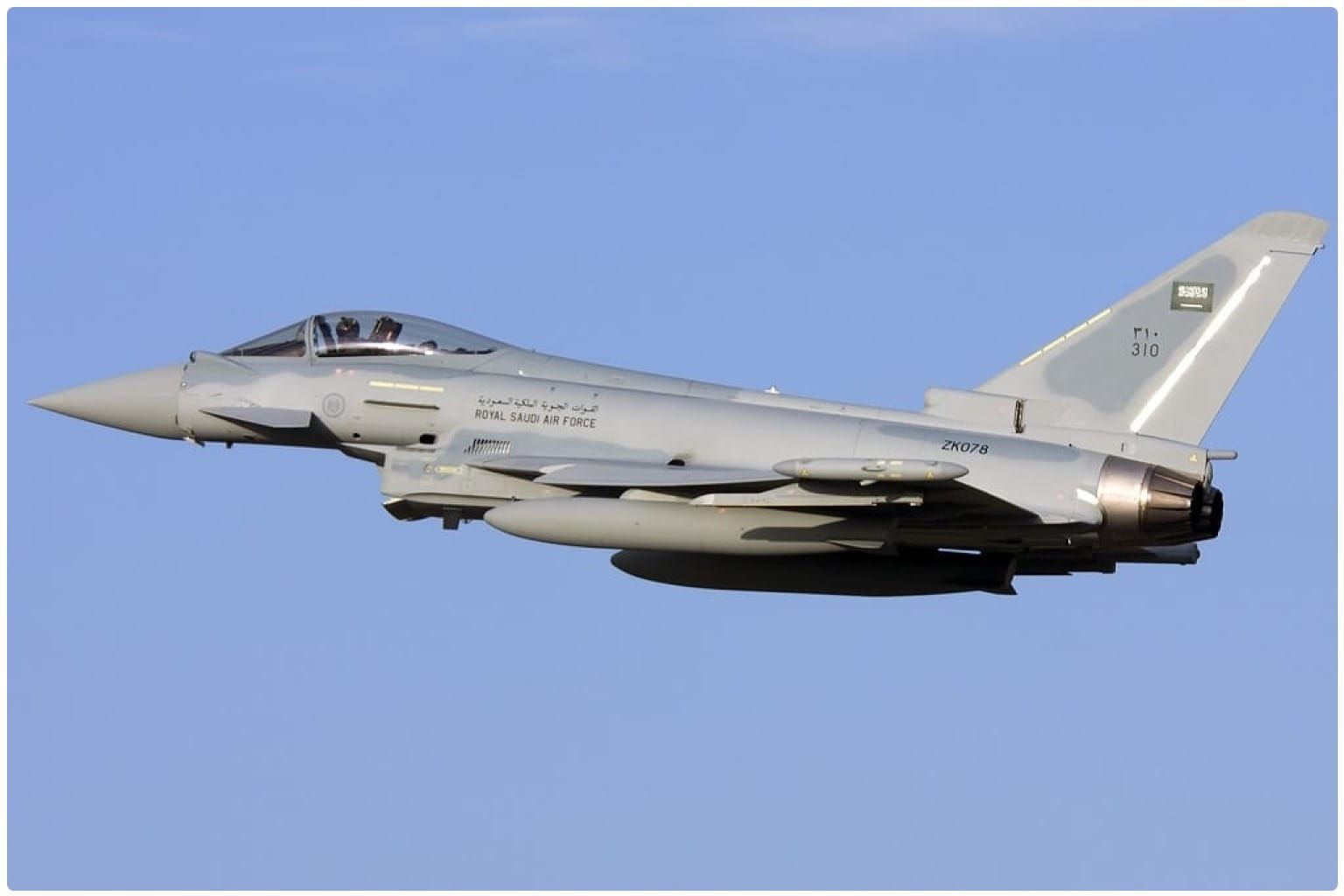
Saudi-backed Yemeni forces says they have carried out airstrikes against Houthi positions in Sanaa, Saada and Taiz, opening a potentially dangerous new phase in the country’s long-running civil war.
Military spokesman Majed al-Nuzaili said government forces struck what he described as “high-value targets” in the Houthi-controlled capital, Sanaa. Eleven additional targets were reportedly attacked in Saada, the movement’s northern stronghold, although the military did not identify the facilities or disclose the weapons used.
Saudi-backed forces also conducted 20 strikes over approximately three hours in Taiz province, the raids targeted Houthi fighters, reinforcements, vehicles and equipment across several locations, including al-Aqroud, Samea and al-Wazi’iyah.
🇸🇦🇾🇪 Saudi Arabia is about to try taking the Red Sea back from the Houthis The Saudis and Yemeni government forces are preparing a major counteroffensive to shove the Houthis away from the Bab al-Mandeb, one of the most important shipping chokepoints on Earth. Trump has already told MBS “no” twice when asked to join the party with U.S airstrikes a few weeks ago. However, Saudi's Defense Minister has reportedly briefed Sec. of War Pete Hegseth on the operation and again asked for U.S. air support The answer is still no, although officials say that could change if the operation runs into trouble. While the U.S isn’t joining the war AT THE MOMENT, it's handing Riyadh intelligence and targeting data, including more than 200 Houthi targets. Source: Axios / Writer: Ian Note: Footage is from earlier Saudi airstrikes https://t.co/QsJkPySIZo
— Mario Nawfal (@MarioNawfal) October 3, 2026
The claims could not be independently verified. The government has not released evidence showing the results of the strikes, and no confirmed casualty figure was immediately available.
Houthi authorities offered a substantially different account, accusing Saudi Arabia of conducting dozens of air and missile attacks across six provinces. Houthi military spokesman Yahya Saree claimed that 94 strikes had hit Sanaa, Saada, Taiz, Hajjah, Amran and Ibb within 24 hours, causing civilian casualties.
Saudi Arabia has not publicly confirmed carrying out the reported Sanaa raids. The competing statements therefore leave uncertainty over whether the aircraft were operated directly by Saudi forces, Yemen’s government-aligned military or a combination of coalition assets.
The strikes followed weeks of intensified fighting between the Houthis and Saudi-backed government forces. The Iran-aligned movement has expanded its position along Yemen’s Red Sea coast and captured strategically important territory near the Bab al-Mandab Strait, one of the world’s most important maritime passages.
The latest escalation builds upon recent clashes that killed scores of fighters and displaced thousands of civilians. Houthi advances towards the strait have raised concerns that the movement could exert greater pressure on commercial traffic connecting the Red Sea with the Gulf of Aden.
Saudi Arabia has previously said that it will take firm action against threats to commercial vessels. In an official coalition statement, Riyadh described freedom of navigation through Bab al-Mandab as a central security interest and warned that attacks on shipping would receive a determined response.
The renewed air campaign has also been accompanied by cross-border attacks. The Houthis claimed to have targeted an Aramco facility in Riyadh using ballistic missiles and drones, describing the operation as retaliation for strikes on Sanaa and other Yemeni provinces. Saudi authorities did not immediately confirm that the energy installation had been attacked.
Yemen’s conflict began its present phase when the Houthis seized Sanaa in 2014 and forced the government from the capital. A Saudi-led coalition intervened in 2015, beginning years of fighting that devastated infrastructure and produced one of the world’s gravest humanitarian emergencies.
A United Nations-mediated truce in 2022 significantly reduced major cross-border attacks, even after the formal agreement expired. That period of relative restraint has now deteriorated as the Houthis expand their territorial campaign and Saudi-backed forces attempt to halt their advance.
The strikes demonstrate that the government and its Saudi backers are prepared to use greater air power against the Houthi advance. Further retaliation could widen the fighting, threaten Saudi infrastructure and place international shipping through the southern Red Sea under renewed pressure.