Fighting between Yemen's internationally recognised government and Houthi rebels has intensified sharply, with more than 120 people reported killed since Thursday as the Iran-aligned group pushes towards territory overlooking the strategic Bab al-Mandeb strait.
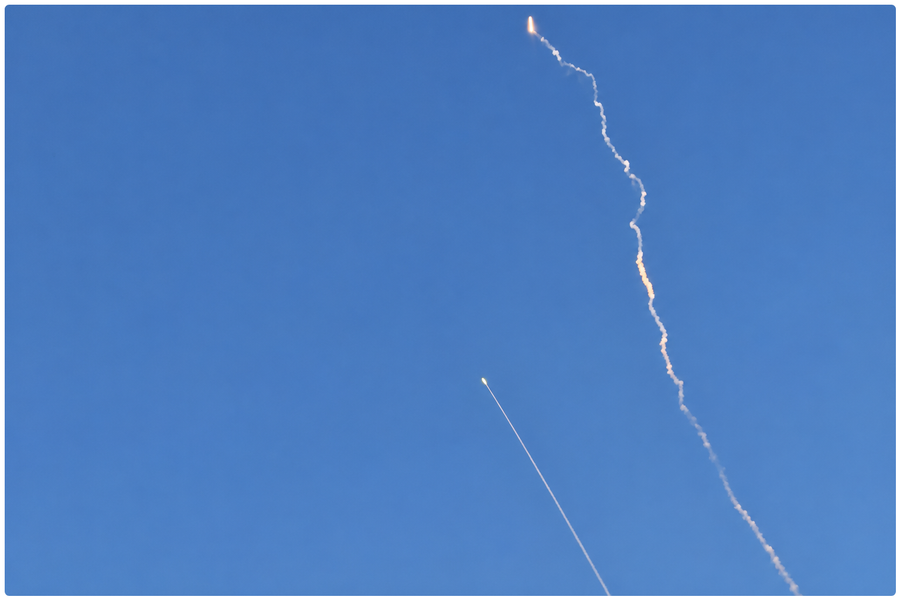
The offensive began on September 3 when Houthi forces launched coordinated ground assaults backed by ballistic missiles and drones against government-held positions in Taiz and Hodeidah provinces. Government forces said the Houthis fired 14 ballistic missiles alongside multiple drones at areas along Yemen's western coast.
Initial fighting left 81 combatants dead, including 39 government troops and at least 42 Houthi fighters, according to military and medical sources. Fresh clashes on Saturday killed at least another 57 fighters 26 government soldiers and 31 Houthis as fighting spread across southwestern Yemen.
Civilians have also been caught in the escalation. A missile struck a bus travelling through the government-held city of Taiz on Saturday, killing six civilians and wounding seven others, according to a local medical source.
The Houthis appear to be attempting to cut off the government-held port city of Mokha and secure elevated positions overlooking the Red Sea coast and the Bab al-Mandeb strait. Rebel forces have advanced across parts of Maqbanah, Mawzaa and Jabal Habashi in Taiz province and towards strategic positions in southern Hodeidah.
Government forces say they have since recaptured some of the territory and have sent reinforcements from Aden. Both sides have moved additional fighters and military equipment towards the front lines.
The battle has also triggered another humanitarian emergency. The UN Office for the Coordination of Humanitarian Affairs said at least 1,790 families had been displaced in Taiz province within two days as fighting approached villages and camps already housing Yemenis uprooted by earlier phases of the civil war.
The location of the offensive gives the fighting significance far beyond Yemen.
Bab al-Mandeb connects the Red Sea with the Gulf of Aden and Indian Ocean and forms part of the maritime route linking Asia with Europe through the Suez Canal. Roughly 10% of global maritime trade normally passes through the strait.
The waterway has become even more important following disruption to shipping through the Strait of Hormuz. Saudi Arabia and other Gulf exporters have increasingly relied on alternative routes as the wider Middle East conflict has disrupted energy shipments from the Gulf.
Although the Houthis already control Hodeidah further north, they do not currently control the territory directly bordering Bab al-Mandeb. Military officials say capturing high ground around Mokha and the strait could allow the group to threaten shipping from new positions and place greater pressure on government forces controlling the southern Red Sea coast.
The Houthis have already demonstrated their ability to disrupt maritime traffic. Since the Gaza war began in 2023, the group has repeatedly targeted commercial vessels in the Red Sea, and more recently declared a maritime blockade against Saudi Arabia while attacking Saudi-linked shipping.
The renewed ground war also threatens to unravel years of relative calm inside Yemen. Large-scale fighting between the Houthis and government forces had declined significantly following a UN-mediated truce in 2022, even after the formal ceasefire expired. That fragile arrangement collapsed in July, opening the way for the current escalation.
With fighting now concentrated near one of the world's most important maritime chokepoints, what began as another escalation in Yemen's decade-long civil war is increasingly becoming a threat to regional shipping, energy flows and international trade.