The prospect of renewed American strikes on Iran has left Washington's Middle Eastern allies preparing for a conflict they may not be able to avoid, even if they take no part in the attacks. Their immediate concern is the vulnerability of oil installations, power infrastructure and American military facilities to Iranian retaliation.
US diplomats and defence officials have warned several regional governments to prepare for possible military action after the November 3 American midterm elections, according to two diplomats briefed on the discussions who spoke to the Associated Press. The warnings reportedly included advice to strengthen precautions against Iranian attacks on energy facilities and other critical infrastructure.
President Donald Trump has not authorised a new military campaign, the diplomats said. The White House declined to comment on the reported warnings, leaving unanswered which countries were contacted, what protective measures were recommended and whether Washington has established a timetable for any operation.
American officials reportedly indicated that renewed strikes could last several days. That assessment does not account for the possibility of a longer confrontation if Iran or armed groups aligned with Tehran respond against US forces and regional infrastructure.
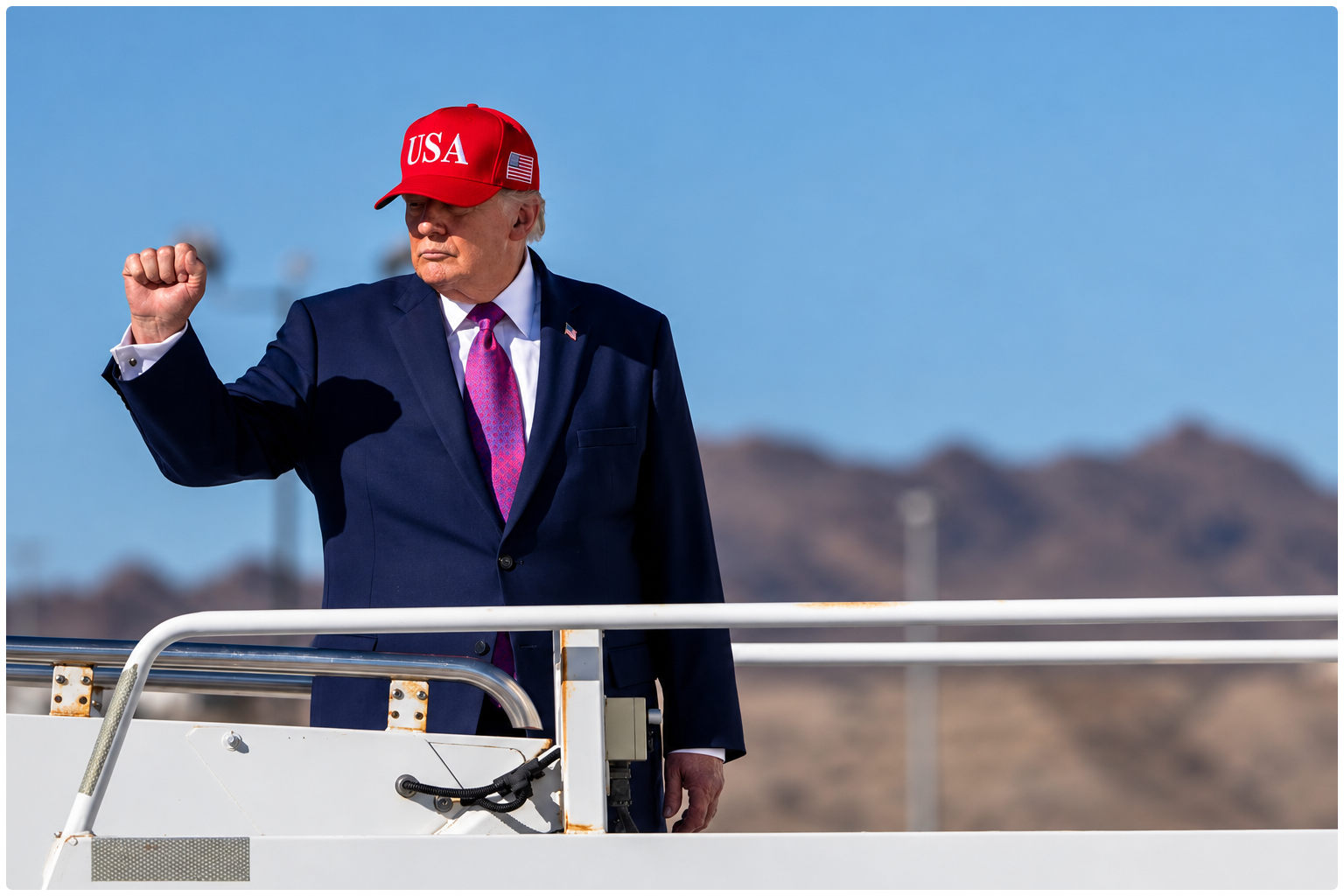
The timing is closely tied to Washington's political calendar. Trump has repeatedly suggested that further action against Iran could follow the elections, although his public remarks have stopped short of announcing an operational decision. During an October 27 campaign appearance in Lubbock, Texas, he suggested that the eight-month conflict could end within weeks while continuing to insist that Iran must never acquire a nuclear weapon.
The US military has been reinforcing its regional presence. A deployment involving the aircraft carrier USS Theodore Roosevelt and amphibious ships carrying Marines was ordered towards the Persian Gulf in September. Approximately 9,000 personnel were associated with that movement, according to American officials cited in contemporary reporting. Whether those forces would participate in renewed strikes remains undisclosed.
The preparations come against the background of Operation Epic Fury, the American military campaign launched on February 28. US Central Command describes its operations as targeting Iranian military command structures, air defences, missile facilities and other security infrastructure. Earlier American assessments of the campaign's results remain official military claims rather than independently established damage estimates.
The financial burden has also grown. A Pentagon estimate examined in recent reporting places the conflict's cost at approximately $47.1 billion through mid-October, including substantial anticipated spending to replace expended munitions and damaged equipment.
For Gulf governments, the danger is already apparent in neighbouring Saudi Arabia. Recent Houthi missile and drone attacks have required repeated air-defence interceptions, while attacks on civilian facilities have caused casualties and disrupted transport and energy operations.
The United Arab Emirates has responded to the latest escalation warnings by calling for restraint. In an October 28 statement, its Foreign Ministry urged governments to pursue political solutions, respect international law and prevent further military escalation.
Iran has also maintained that diplomacy remains possible. Foreign Minister Abbas Araghchi said Tehran was working with mediators to review proposals intended to restore a ceasefire, despite Washington's rejection of an earlier Iranian proposal.
The reported American warnings therefore arrive while both military preparations and diplomatic contacts are continuing. No new strike order has been publicly confirmed, and Washington has not identified any specific Iranian targets.
For America's regional partners, preparations must account for retaliation that could extend well beyond the duration or geographical limits of an initial US operation.