Iran has offered a considerably shorter route to restoring commercial shipping through the Strait of Hormuz, proposing that the waterway reopen within two days if Washington first meets Tehran's conditions. The revised timetable emerged from discussions with Qatari mediators, although no agreement has been reached with the United States.
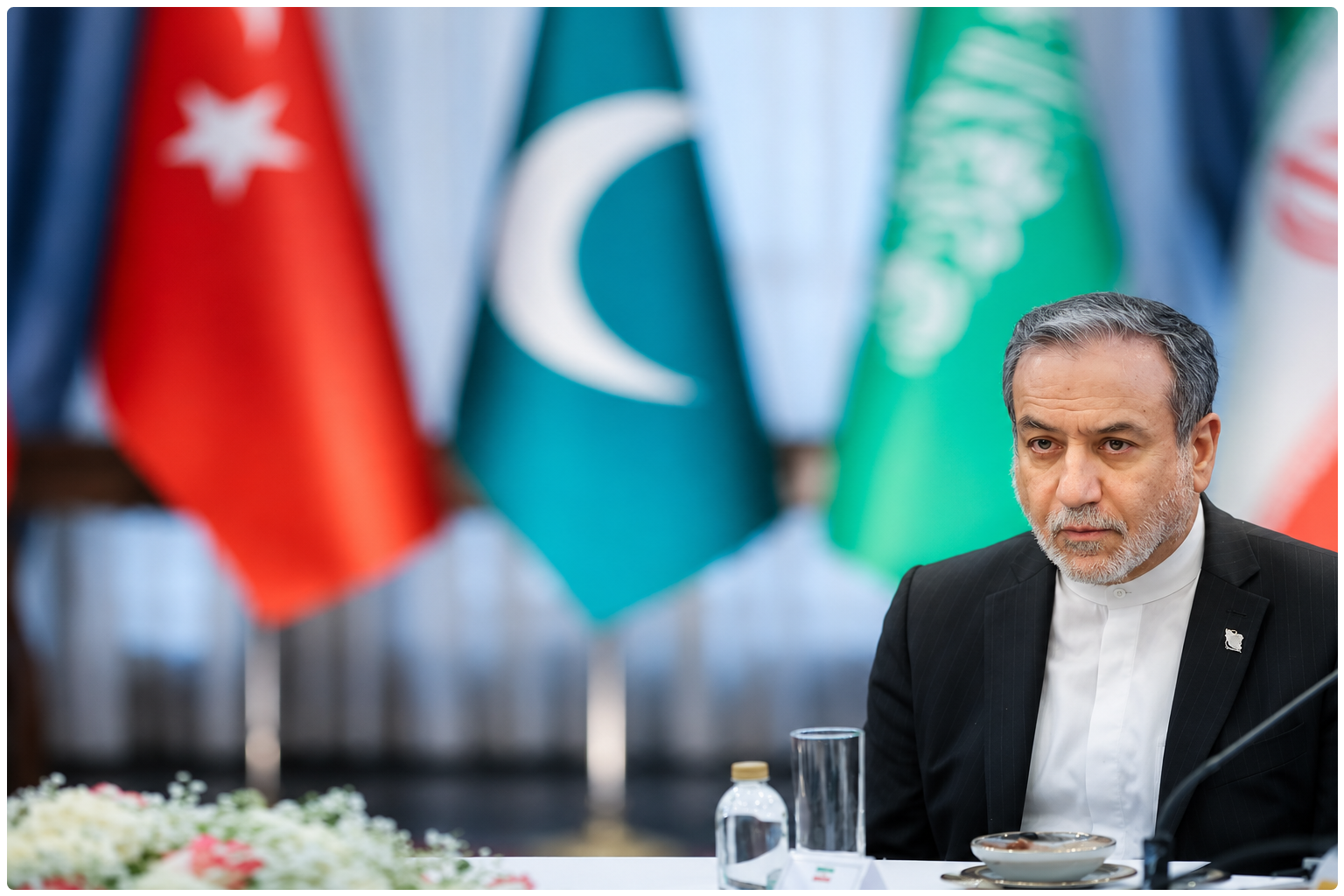
Foreign Minister Abbas Araghchi disclosed the proposal in an interview on Saturday, October 31, explaining that Iran's original seven-day plan had initially been shortened to five days at Qatar's suggestion. Further consultations produced the two-day framework, under which American concessions would precede the restoration of normal navigation.
The timetable is therefore conditional. Tehran is not promising to reopen the strait within 48 hours of its announcement, but offering to do so once the measures it demands have been implemented.
Those demands extend well beyond maritime access. Araghchi called for the removal of sanctions introduced after the June Islamabad memorandum, the restoration of exemptions permitting Iranian oil exports, the release of frozen Iranian funds, including assets held in Qatar, and a reduction in the American military presence in the region.
Iran also wants Washington to recognise a shipping route negotiated between Tehran and Muscat while closing alternative routes through the strait.
That maritime demand builds on earlier discussions. In an August 25 joint statement, Oman and Iran outlined plans for a temporary navigational corridor and joint mine-clearance operations, alongside negotiations over permanent traffic-management arrangements.
The August statement did not establish that a permanent route had been agreed. The International Maritime Organization continues to identify the existing traffic separation scheme, originally proposed by Iran and Oman, as the established international shipping arrangement.
The revised proposal follows months of failed attempts to restore the June ceasefire framework. Iran's September offer envisaged reopening Hormuz within seven days in return for sanctions relief, the lifting of the American naval blockade and guarantees covering hostilities elsewhere in the region. Washington rejected that proposal, and subsequent exchanges failed to settle the competing demands.
The US campaign of sanctions and maritime restrictions against Iran remains central to the disagreement. Washington has sought progress on Iran's nuclear programme, while Tehran insists that restoring maritime access and implementing economic concessions must come first.
Araghchi said Iran had reviewed a letter from US Vice President JD Vance and regarded Washington's latest diplomatic outreach as a positive development. An Iranian delegation has travelled to Qatar for further consultations, but the foreign minister ruled out an immediate meeting with American officials.
The commercial stakes remain substantial. The US Energy Information Administration estimated that oil shipments through Hormuz fell from 21.6 million barrels per day in the final quarter of 2025 to 4.9 million in the second quarter of 2026, following the outbreak of war.
The latest diplomatic proposal arrives amid continuing maritime insecurity, including an October 29 attack in which explosives were reportedly attached to a tanker, causing an engine-room fire.
Qatari and Pakistani mediation has produced a shorter implementation timetable, but the principal disagreement remains unresolved: Tehran wants American commitments before reopening the strait, while Washington has yet to publicly accept those conditions.