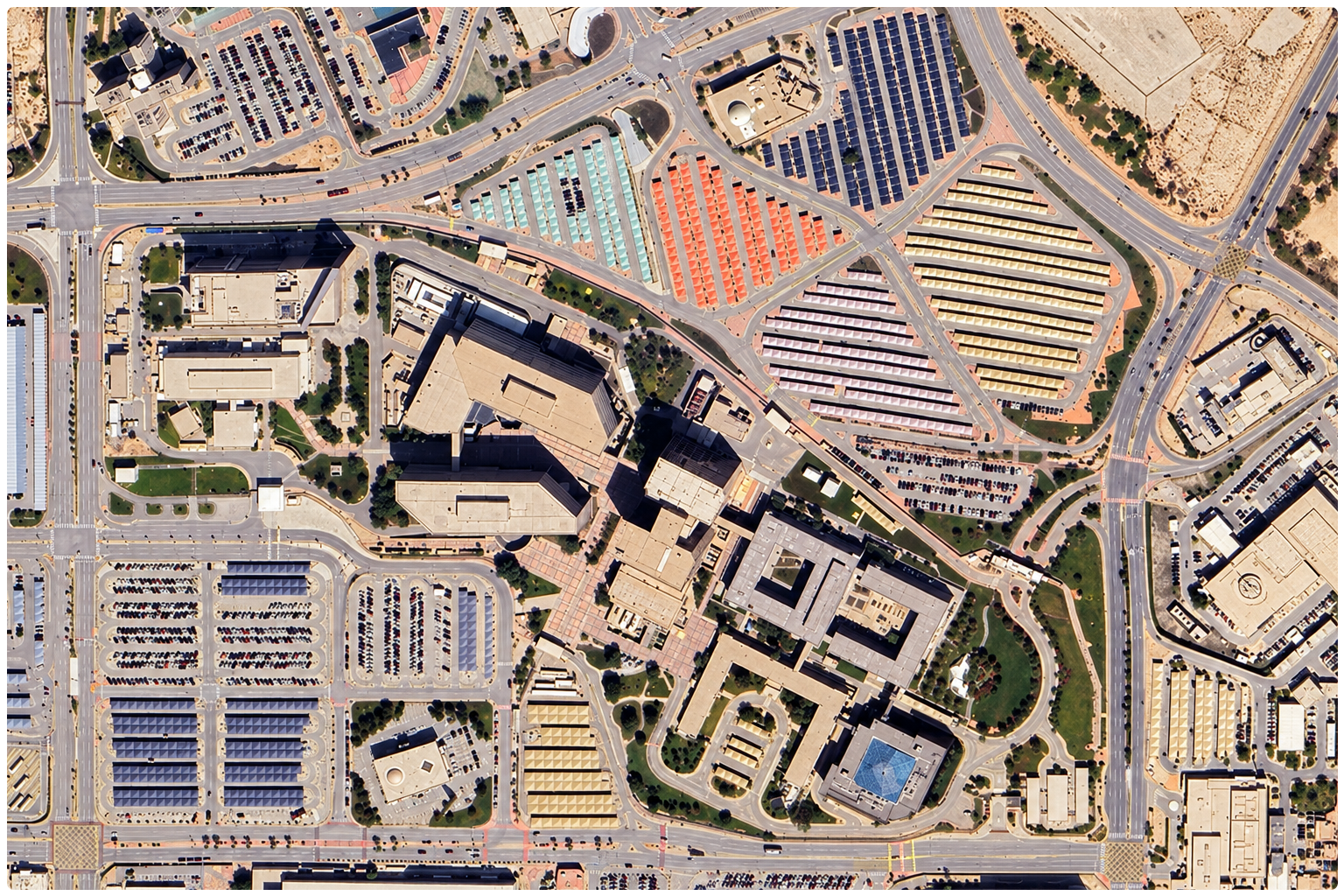
New details from inside Saudi Aramco’s headquarters indicate that the Houthi strike caused considerably more damage than Saudi Arabia’s initial description of a limited fire suggested, although oil production and exports have continued.
The October 13 attack hit an administrative tower at Aramco’s compound in Dhahran, the centre from which the company oversees one of the world’s largest oil-production and distribution networks. Saudi Arabia’s Energy Ministry confirmed that the building was targeted but reported no deaths or injuries.
Damage assessments indicate that fire spread across several floors of the tower’s southern wing. The sixth through tenth floors were affected, with collapsed ceilings, shattered windows and damaged doors reported inside the building. The upper floors, including the office of Aramco president and chief executive Amin Nasser, suffered particularly serious damage.
The building also houses senior management offices and departments involved in planning Saudi oil supplies. Aramco employees were instructed to work remotely while engineers examined the structure, with some responsibilities transferred to the company’s offices elsewhere.
There is no confirmed evidence that the attack damaged production facilities, pipelines, refineries or export terminals. Aramco has continued operating its oil network and has not announced changes to customer deliveries.
The initial attack on Aramco’s Dhahran headquarters struck an administrative centre rather than a facility that directly extracts or processes crude. However, the compound contains systems used to coordinate the movement of oil and gas across Saudi Arabia.
Among them is the Oil Supply Planning and Scheduling department, known as OSPAS. Aramco describes it as the nerve centre of its operations, using data from approximately 100,000 sensors to monitor wells, pipelines, processing plants and terminals in real time. The company has not said that OSPAS itself was damaged or taken offline.
Questions also remain over how the projectile reached the compound. The Saudi-led coalition said its forces intercepted and destroyed a ballistic missile launched towards Dhahran. Debris reportedly fell over parts of the city, but Saudi authorities have not clarified whether the headquarters was struck directly, hit by falling fragments or targeted by another weapon.
The Houthis have claimed responsibility for the wider campaign against Saudi energy and aviation infrastructure. They described the attacks as retaliation for coalition operations in Yemen and warned employees and civilians to leave areas surrounding Aramco installations and Saudi airports.
The strike followed coalition attacks on oil facilities in Houthi-controlled Sanaa. Saudi forces accused the Houthis of using underground fuel stores to support missile and drone operations, while authorities in Sanaa denied that the targeted sites had a military role.
Dhahran was attacked as Saudi Arabia was already struggling with repeated strikes on civilian aviation. Riyadh’s international airport has been hit several times, including a second strike on a passenger terminal, while questions remain over why the kingdom’s public warning system stopped issuing military-threat alerts.
The absence of casualties and disruption to oil supplies has limited the immediate economic consequences. The attack nevertheless penetrated the administrative centre of the company that provides most of Saudi government revenue and coordinates the kingdom’s global energy business.
Aramco has previously restored operations rapidly after far more damaging attacks on production infrastructure. This strike presents a different challenge. It shows that the Houthis can threaten not only refineries and export facilities, but also senior leadership and operational planning offices deep inside Saudi Arabia’s Eastern Province.
The condition of the damaged tower, the weapon responsible and the route through Saudi air defences have not yet been fully explained. Until those questions are answered, the attack will remain both a security failure and a warning that the renewed Yemen war can reach the heart of the Saudi economy.