A Russian drone struck a crowded railway platform in Dnipro on Thursday as passengers waited for a train to Zaporizhzhia, killing at least 14 people. By the end of October 29, attacks on residential neighbourhoods in Chernihiv and Kremenchuk, followed by a late-night missile strike on Kyiv, had raised the reported death toll across Ukraine to at least 20.
The Dnipro attack was the deadliest of the day. According to Ukraine's state railway operator, Ukrzaliznytsia, a jet-powered attack drone hit the city's main station while a commuter train was preparing to depart. Emergency workers recovered casualties from the platform, where at least 14 people were killed and others injured. A separate strike set a student dormitory ablaze, while attacks across the region disrupted electricity supplies to approximately 350,000 households.
Russian strikes on Ukraine's Dnipro and Chernihiv killed at least 15 people on October 29. In Dnipro, a Russian jet-powered drone struck a crowded platform at the city's main railway station, killing at least 13 people and injuring up to 13 others. In Chernihiv, a strike on the busy city center killed two teenage girls and injured up to 15 people, including children.
— Clash Report (@clashreport) October 29, 2026
President Volodymyr Zelenskyy, in his October 29 address, confirmed the attack on the railway station and described the broader bombardment as directed against civilians. His statement reported 19 deaths across Dnipro, Chernihiv and Kremenchuk during the daytime attacks, before the subsequent fatal strike on Kyiv.
In Chernihiv, a drone struck a busy street in the city centre, killing two 15-year-old girls, identified as Yana and Mariia. Local authorities reported 23 people injured, including four children. The attack occurred in an area where residents were travelling to work and attending to ordinary daily activities.
Kremenchuk, in central Ukraine's Poltava region, suffered another attack on residential buildings. Three people were killed and 32 wounded, including six children, according to Ukrainian authorities. The reported damage included apartment buildings and private homes.
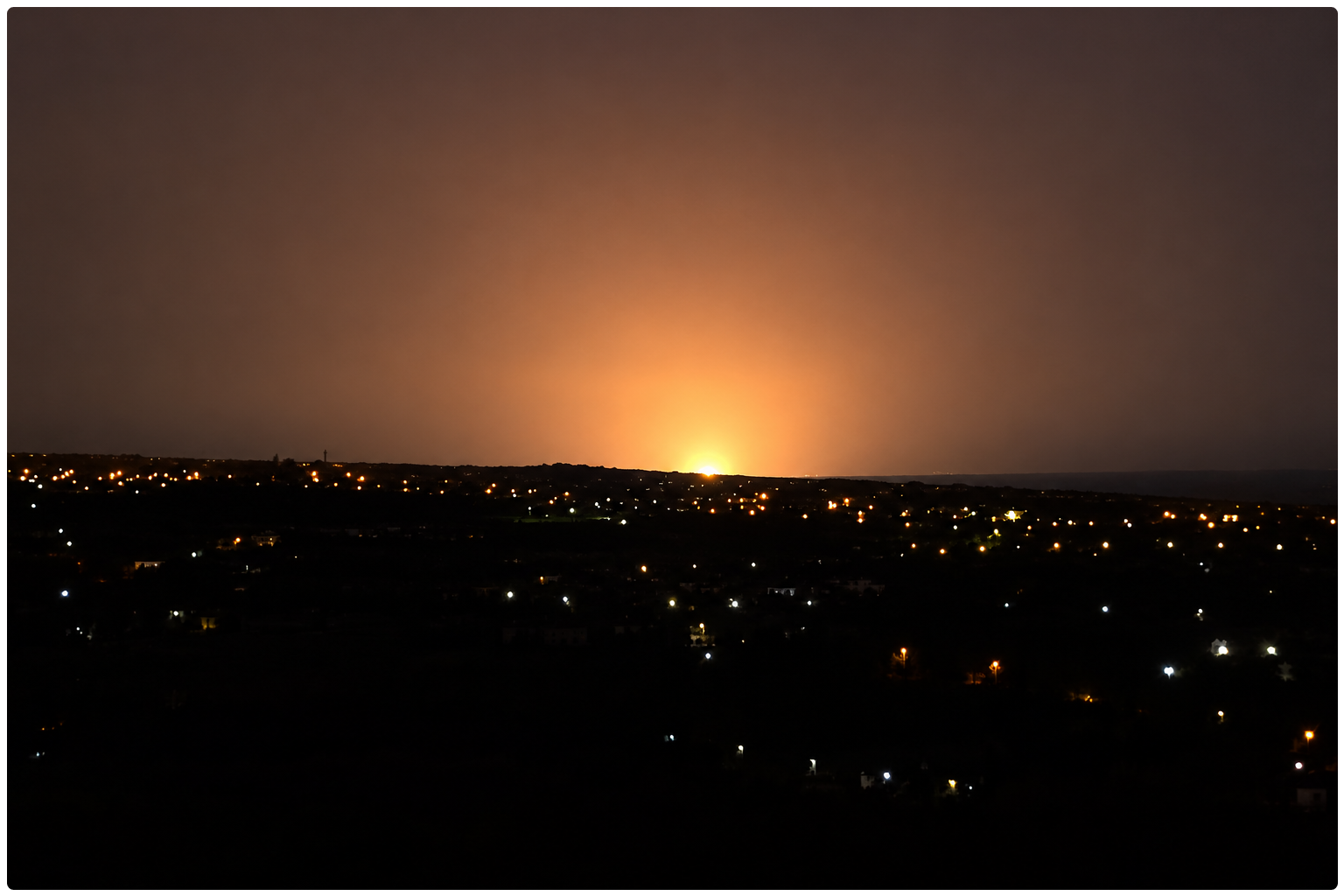
The day's attacks continued into the night. Shortly before 11 pm, Russian ballistic missiles struck Kyiv, killing one person, according to the capital's military administration. Warehouses caught fire, while falling debris damaged another building on the eastern side of the Dnipro River.
The strikes come as Russia continues to target Ukrainian cities and infrastructure with missiles and increasingly capable unmanned aircraft. Earlier this month, Russian attacks on Kyiv and Dnipro damaged industrial and transport facilities, while another wave forced electricity cuts affecting more than one million consumers.
The civilian consequences were already worsening before Thursday's attacks. The United Nations Human Rights Monitoring Mission's September assessment documented at least 328 civilians killed and 2,105 injured that month. Long-range missiles and drones accounted for more than half of the recorded casualties.
Zelenskyy also warned that Ukrainian intelligence had identified preparations for further Russian ballistic missile attacks. He urged Kyiv's partners to provide additional interception capabilities, although the intelligence underlying that warning has not been independently disclosed.
The bombardment coincided with a limited, US-brokered ceasefire around Russian-occupied Oleshky in the southern Kherson region, intended to permit humanitarian assistance and civilian evacuations. That arrangement applies only to a defined local area and has not halted fighting elsewhere.
Russia has repeatedly denied deliberately targeting civilians. The individual strikes, their intended targets and the precise weapons employed remain subject to investigation.
For Dnipro's railway passengers and the residents killed in Chernihiv, Kremenchuk and Kyiv, the latest casualties came far from any publicly identified immediate ground assault. The continuing use of long-range weapons against populated areas is placing additional pressure on Ukraine's air defences as the country approaches winter.