
Discovery
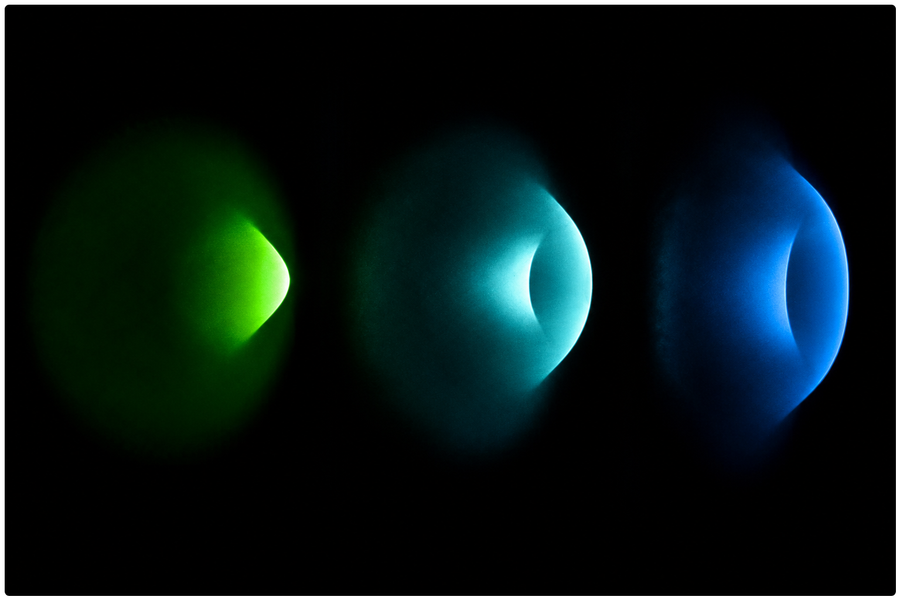
New Antimatter Experiment Could Put Fundamental Laws of Physics to the Test
A single particle of antimatter has remained suspended in an electromagnetic trap for months. Northwestern University physicists have also controlled its quantum states, opening the way to extraordinarily precise tests of whether matter and antimatter obey the same fundamental laws.
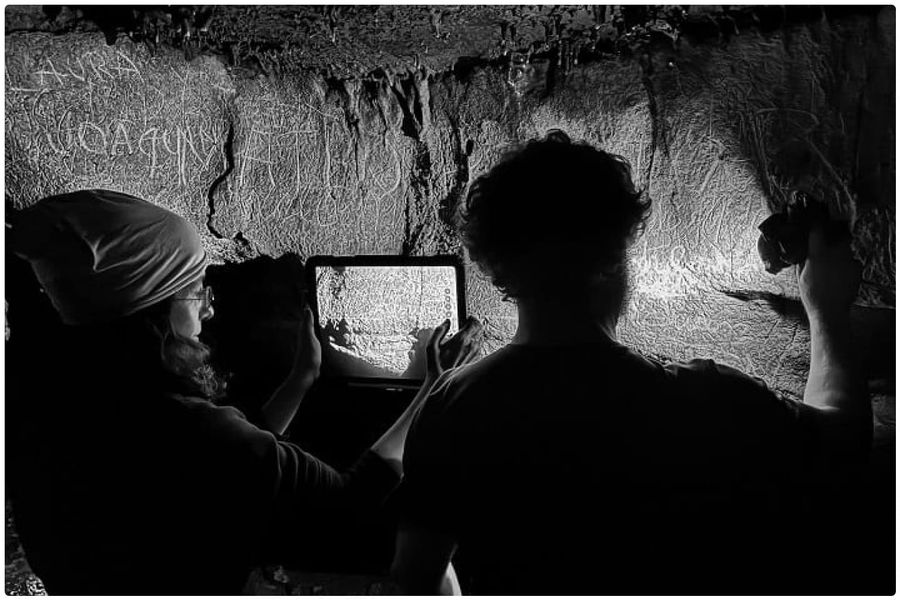
Who Was the Mysterious Goddess Worshipped Beneath Ancient Spain?
Deep inside a Spanish cave, archaeologists have documented at least 120 Roman inscriptions, including dedications to a mysterious goddess. The discovery reveals women's active involvement in an organised religious cult nearly 2,000 years ago.
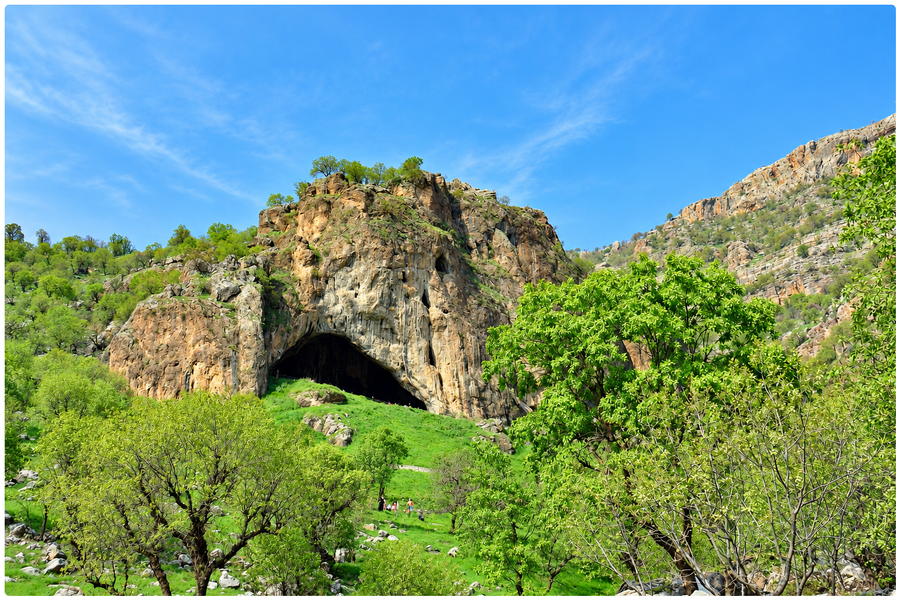
Ancient Shoulder Bone Reveals Possible Fatal Spear Attack on Neanderthal
A tiny hole in a 75,000-year-old Neanderthal shoulder blade may reveal a fatal wooden spear wound. But evidence of an earlier injury suggests this individual also survived severe trauma, possibly with support from others, revealing contrasting sides of prehistoric life.
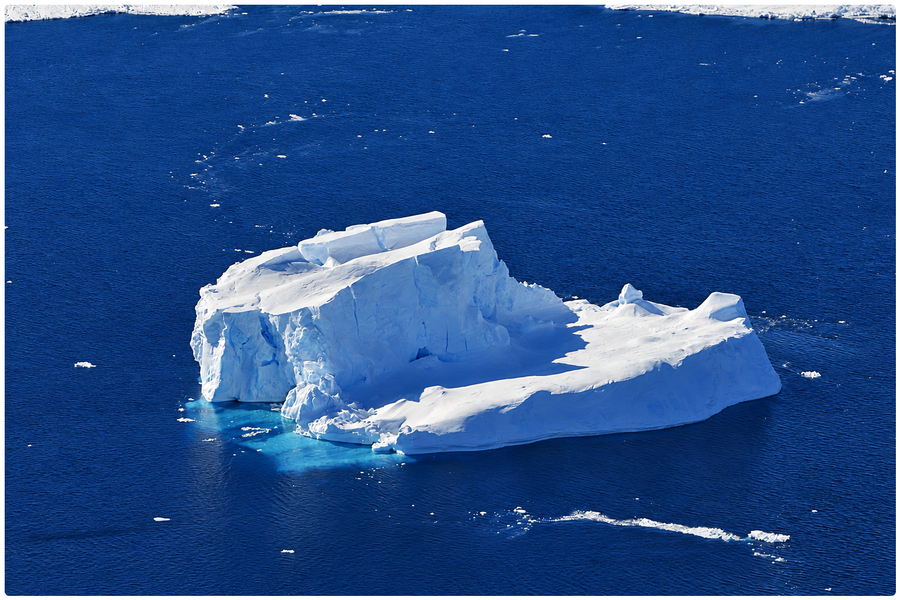
New Ice-Cliff Evidence Could Improve Predictions of Rising Seas
An analysis of 15,330 ice-cliff observations has revealed a paradox: towering glaciers can break apart faster than predicted, yet their retreat often stops. The findings challenge a disputed theory of runaway ice-sheet collapse and could improve forecasts of future sea-level rise.
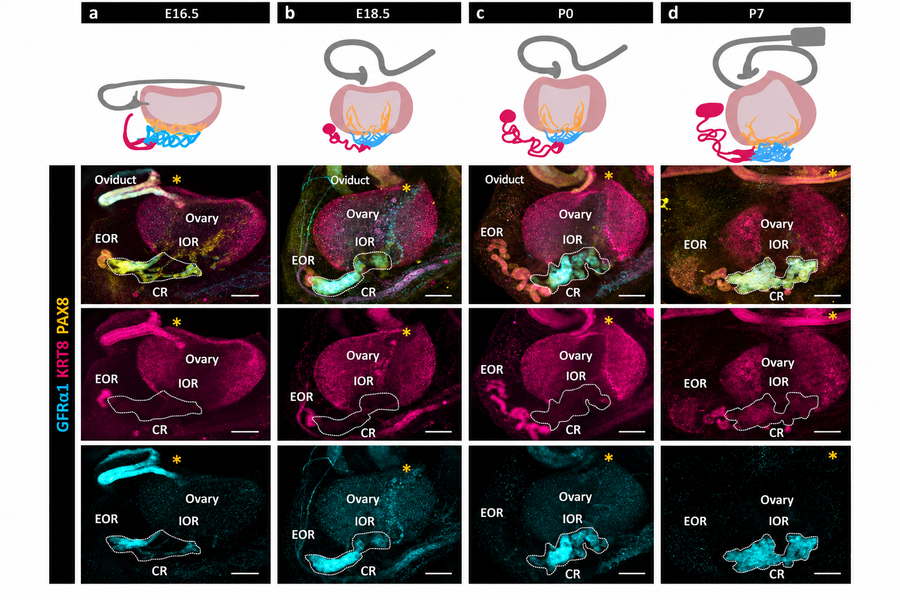
The Female Reproductive Structure That Disappeared From Textbooks May Have a Purpose
Once dismissed as useless, the rete ovarii may play an important role in female reproduction. Duke University researchers found that this overlooked structure transports fluid and contains proteins linked to ovarian function, challenging long-held assumptions about reproductive anatomy.
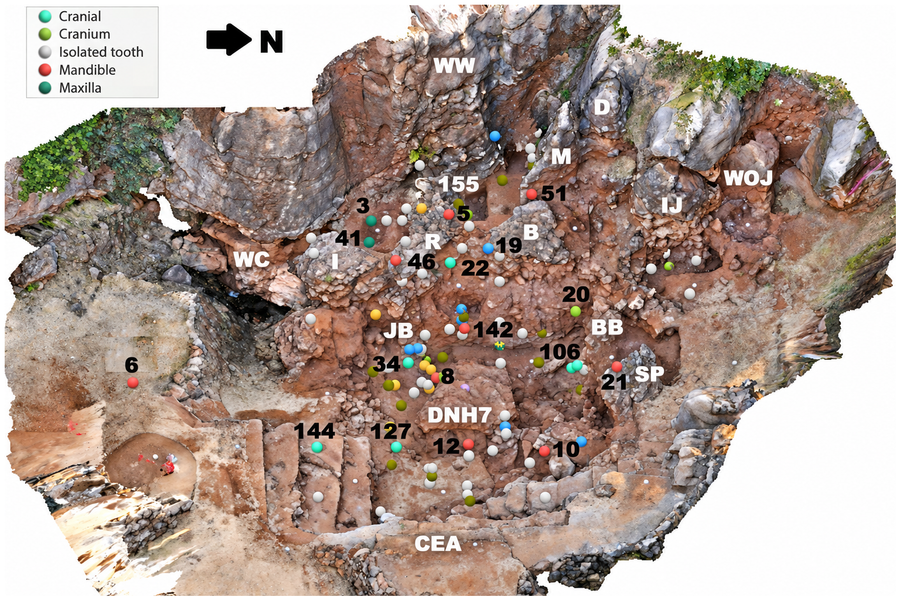
Ancient Skull Fragment Adds New Evidence to the Origins of Homo Erectus
A skull fragment from South Africa adds new evidence that Homo erectus lived around two million years ago. The discovery also reveals how another ancient human relative was evolving alongside it, complicating the story of our origins.
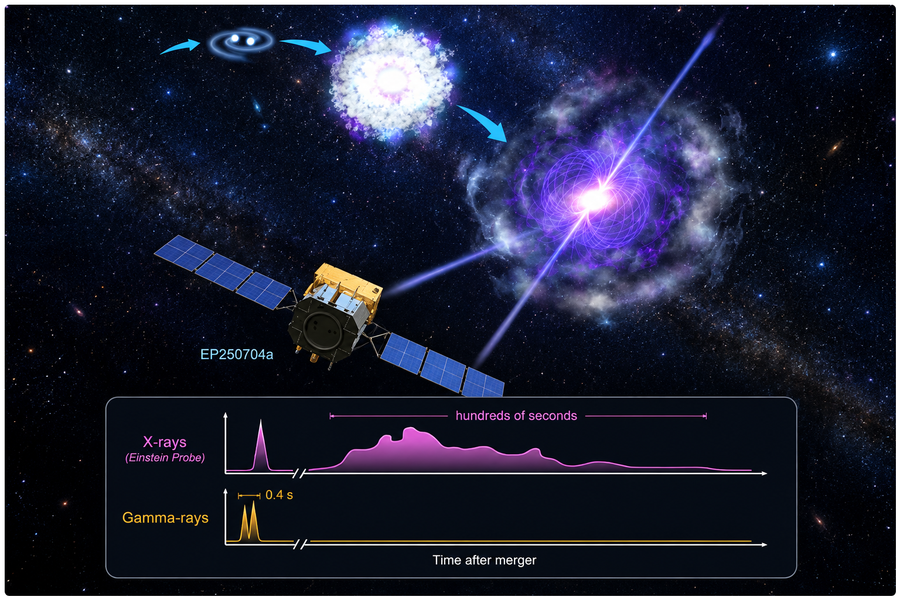
What Happens After Two Neutron Stars Collide? A Telescope Has Found a New Clue
A cosmic explosion lasted less than half a second in gamma rays, but China's Einstein Probe detected nearly ten minutes of hidden X-ray activity. The finding offers new clues about what happens after neutron stars collide and what may survive the merger.

After Decades of Research, the World's First Operational Nuclear Clocks Begin Ticking
Scientists in Austria and China have independently built the first operational nuclear clocks, using thorium atoms to measure time through changes inside their nuclei. The achievement could eventually improve precision timekeeping and provide new ways to investigate dark matter.
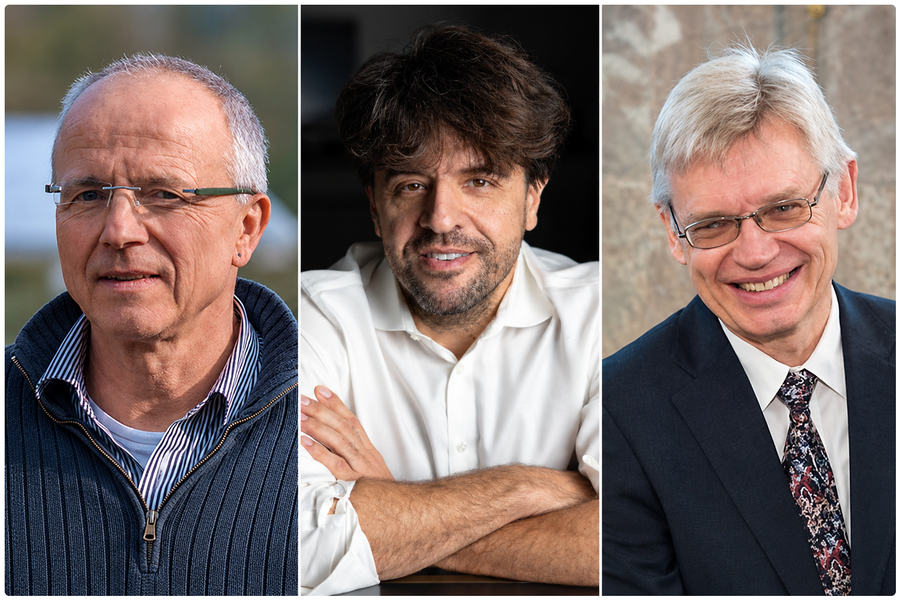
Karl Deisseroth, Peter Hegemann and Georg Nagel Win 2026 Nobel Prize in Medicine
Karl Deisseroth, Peter Hegemann and Georg Nagel have won the 2026 Nobel Prize in Medicine for discoveries behind optogenetics, a revolutionary technique that allows scientists to activate or silence selected brain cells using light.
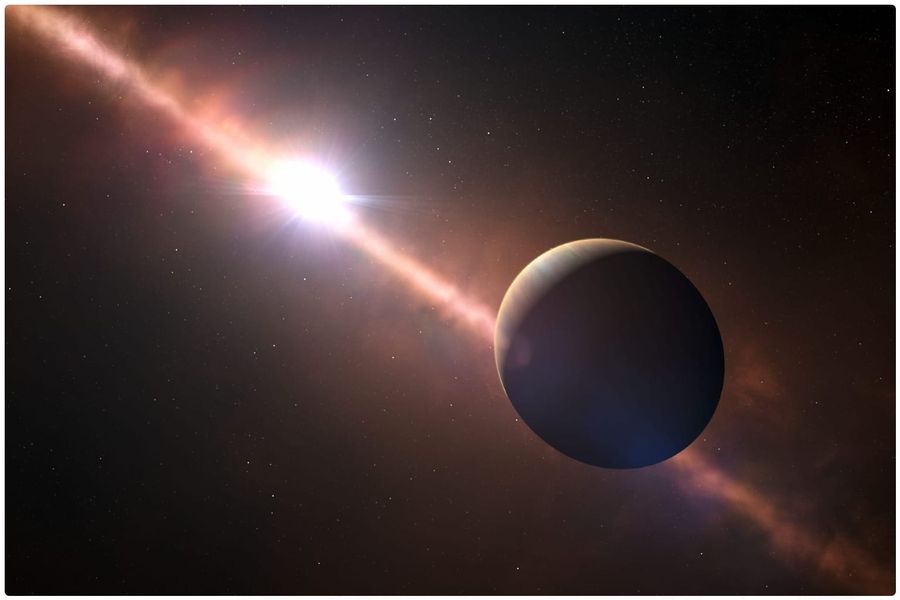
Scientists Detect Radio Emissions Directly From an Exoplanet
Astronomers have traced recurring radio bursts directly to Beta Pictoris b, a young gas giant 63 light-years away. The natural emissions reveal an extraordinarily powerful magnetic field and could create a new method for examining the interiors and atmospheres of distant worlds.
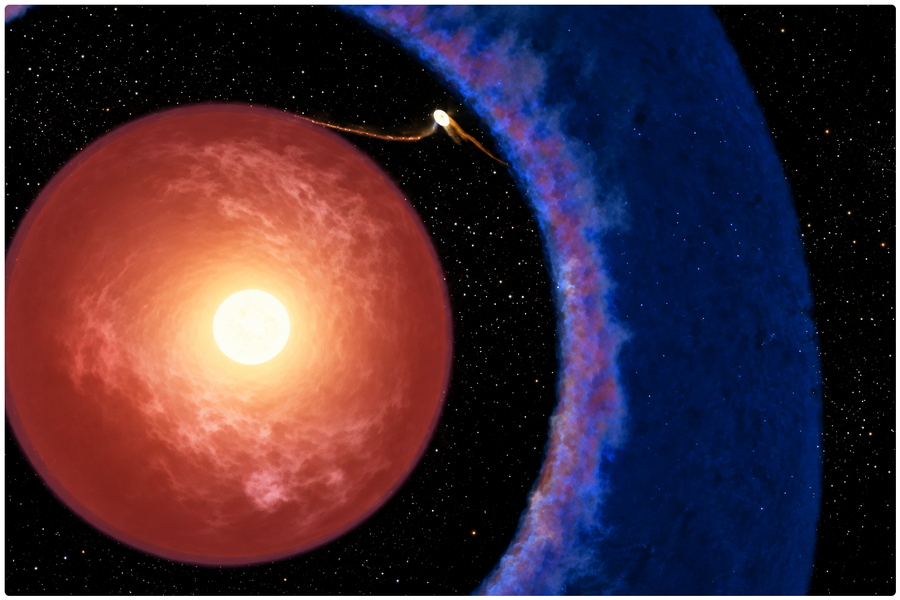
Astronomers Confirm a Newborn Planet Less Than a Million Years Old
Astronomers have confirmed Elias 2-24 b as the youngest known planet ever directly observed. Less than a million years old and still gathering material inside its birth disk, the distant gas giant offers a rare opportunity to watch planetary formation at an exceptionally early stage.
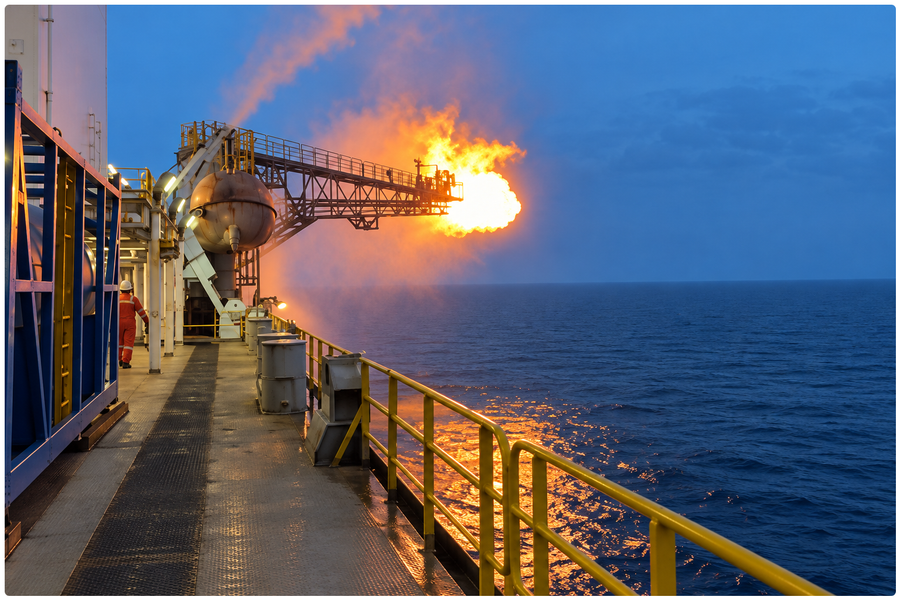
Gas Found off Konark as ONGC Expands Deepwater Exploration
ONGC has found natural gas in a deepwater well 43 km off Odisha’s Konark coast, offering fresh evidence of the Mahanadi Basin’s potential. The company says the initial flow is encouraging, but reserve size, commercial viability and any production timetable still require more testing and appraisal.